Trump Signs Order on Mail-In Voting, Faces Legal Battles
President Trump has signed a sweeping executive order targeting mail-in voting, creating a citizen database for absentee ballots and drawing immediate legal challenges. Separately, the Supreme Court heard arguments in a critical birthright citizenship case, with a ruling expected later this year.

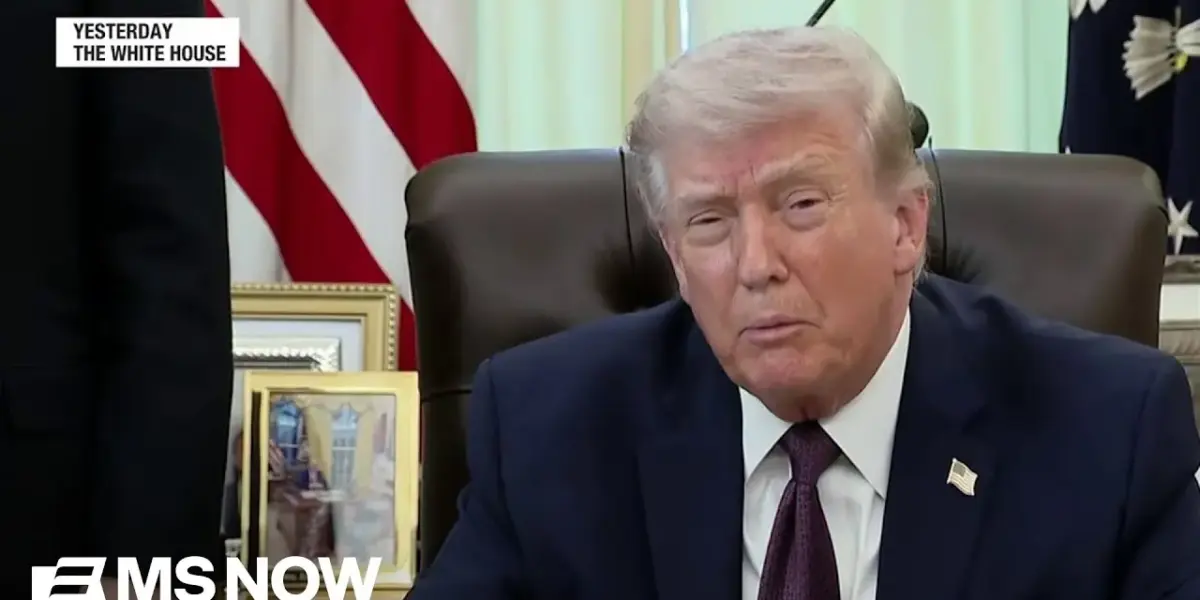
Trump Signs Sweeping Executive Order on Mail-In Voting
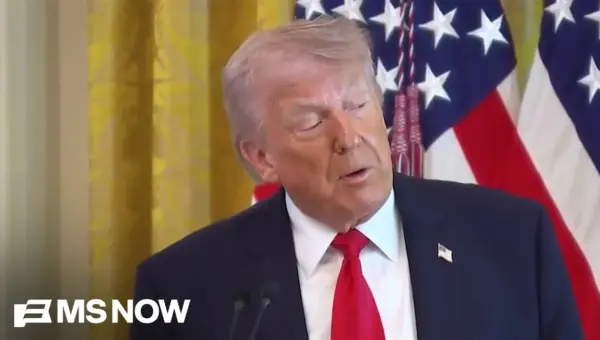
President Trump has signed a significant executive order aimed at altering the rules for mail-in voting. The order mandates the Department of Homeland Security to create a database of eligible U.S. citizens. This database will then be used by the U.S. Postal Service to send absentee ballots only to voters approved through this system. These ballots will be mailed in special coded envelopes.
Database and Prosecution Directives
Beyond creating the database, the executive order directs the Attorney General to make investigating and prosecuting election entities that send mail-in ballots to ineligible voters a top priority. Furthermore, the order states that the federal government will withhold funding from states that do not comply with these new directives. This move comes as states are typically responsible for managing their own election processes.
Immediate Legal Challenges and President’s Stance
The executive order is already facing immediate legal challenges from several states. These states argue that the order violates the Constitution, which assigns election authority to them and Congress, not the President. President Trump has frequently criticized mail-in voting, calling it prone to cheating, despite limited evidence to support widespread fraud. He recently cast his own mail ballot in a Florida special election. “The cheating on mail-in voting is legendary. It’s horrible, what’s going on,” the President stated regarding the order, expressing confidence that it will help elections and questioning how it could be challenged.
Birthright Citizenship Case Heads to Supreme Court
In other significant news, the Supreme Court is set to hear arguments in a landmark case that could determine the future of birthright citizenship in the United States. The White House is appealing a lower court ruling that overturned an executive order limiting who qualifies for birthright citizenship. This case centers on the Citizenship Clause of the 14th Amendment, which states that all persons born or naturalized in the United States and subject to its jurisdiction are citizens. This language has traditionally meant that nearly everyone born on U.S. soil is a citizen.
Administration’s Interpretation and Presidential Attendance
The administration, however, argues that the phrase “subject to the jurisdiction thereof” means the amendment does not apply to children born to parents who are in the country illegally or are present on temporary visas. President Trump announced he would attend the hearing, which would be a historic first for a sitting president to witness oral arguments at the high court. He expressed strong opinions about the justices, particularly those appointed by former President Obama, suggesting they would rule against him regardless of the case’s merits. He contrasted this with Republican-appointed justices, whom he described as seeking to prove their independence.
Legal Experts Weigh In on Birthright Citizenship
Senior legal reporter Lisa Rubin discussed the phrase “subject to the jurisdiction of.” She explained that many interpret it to mean being subject to the laws of the state. This applies to everyone, regardless of immigration status. However, the administration interprets it to mean pledging fidelity to the government, which would narrow the category of those entitled to birthright citizenship. Rubin noted that while the precedent for birthright citizenship, established in the 1898 Wong Kim Ark case, is long-standing, the Supreme Court can overturn precedent, as seen with Roe v. Wade. She highlighted Justices Amy Coney Barrett and Kavanaugh as figures to watch, noting Barrett’s pragmatic approach and Kavanaugh’s focus on the practical implementation and scope of such a change.
Justices’ Interest in Presidential Authority
Rubin also suggested that the justices might be interested in this case to reaffirm a core legal principle or to clarify the extent of presidential authority through executive orders. The court may wish to assert its role in interpreting the Constitution and laws, potentially pushing back against broad presidential claims of interpretive power. The ruling on the birthright citizenship case is not expected until June or July, with any changes taking effect 30 days later if the White House prevails.
Source: Trump signs order targeting mail-in voting (YouTube)

Related Articles

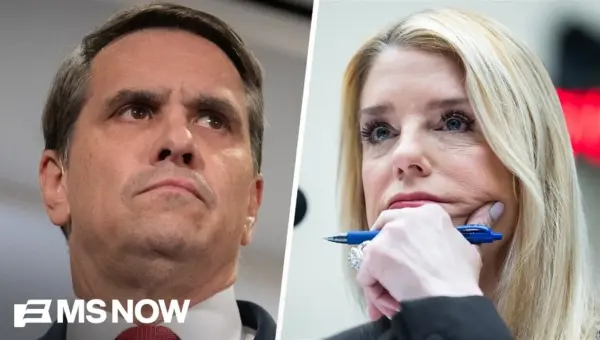
Attorney: Bondi’s Loyalty Was to Trump, Not Victims
An attorney for Jeffrey Epstein survivors criticizes a recently ousted official, alleging her loyalty was to Donald Trump, not the victims or the public. Spencer Kuvin calls for testimony under oath regarding federal law violations and unanswered questions about surveillance footage from Epstein's homes. Concerns are also raised about the interim replacement's past dealings with Ghislaine Maxwell.
Trump’s Voting Order Faces Swift Legal Attack
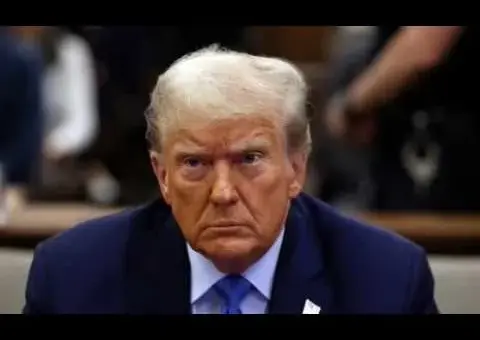
A new executive order by Donald Trump restricting mail-in voting faces a swift legal challenge from lawyer Mark Elias. The lawsuit argues the order is unconstitutional and aims to prevent its implementation before it can disenfranchise voters.
Trump Eyes State Control of Social Safety Nets
President Trump suggested states should fund social safety net programs like child care and Medicaid, rather than the federal government. Experts worry this shift would create healthcare access disparities. Separately, a new FDA-approved weight loss pill offers hope, especially for those avoiding needles.