Trump Signals Surrender in Iran Standoff, Critics Say
President Donald Trump is reportedly preparing to withdraw U.S. forces from Iran, marking a significant shift from his initial demands for "unconditional surrender." Critics argue that the operation, which saw shifting objectives from reopening the Strait of Hormuz to abandoning the goal of preventing Iran's nuclear program, has ended with no tangible gains.

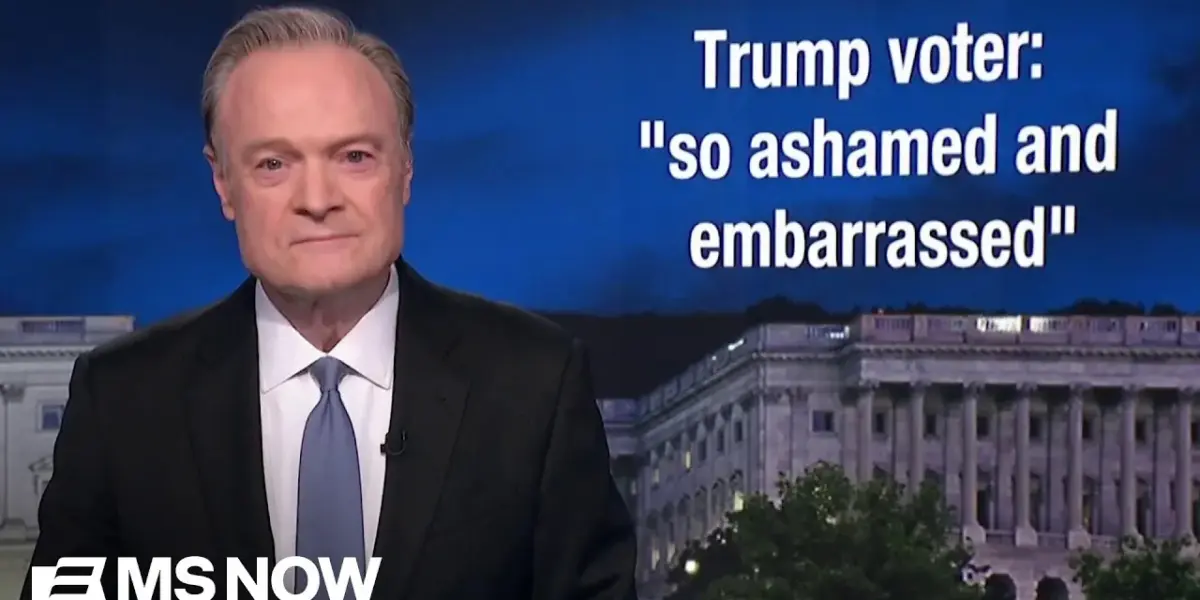
Trump Declares End to Iran Operation Amid Shifting Goals
President Donald Trump announced plans to withdraw U.S. forces from Iran, signaling what critics are calling a surrender in a conflict that began just weeks ago. The move comes after a series of escalating threats and shifting objectives, leaving many questioning the purpose and outcome of the military operation. Trump’s initial goal of an “unconditional surrender” from Iran quickly dissolved, replaced by the objective of reopening the Strait of Hormuz, a vital global shipping lane that Iran had closed.
From Unconditional Surrender to Opening the Strait
The conflict’s origins trace back to Trump’s stated aim of forcing Iran into an “unconditional surrender.” This term, historically meaning complete capitulation and control by the victor, was quickly abandoned by Trump within the war’s first few days. As Iran responded by closing the Strait of Hormuz, which handles about 20% of the world’s oil shipments, Trump’s objective shifted to forcibly reopening it.
Trump issued a series of ultimatums, threatening to “obliterate” Iran’s infrastructure if the Strait was not reopened by specific deadlines. However, these deadlines passed without significant U.S. military action. Wall Street analysts noted a pattern of Trump backing down from his threats, a behavior they termed “chickening out.” This pattern continued with a recent written threat to destroy Iran’s power plants and oil facilities if the Strait remained closed. Yet, when questioned, Trump’s Secretary of Defense, Pete Hegseth, avoided directly answering whether opening the Strait was still an essential objective.
“Donald Trump has, as Wall Street says, chickened out on every one of his ultimatums that he has issued to Iran in his war.”
Shifting Sands: Iran’s Nuclear Ambitions
Another key objective Trump initially set was preventing Iran from developing nuclear weapons. This goal also appears to have been abandoned. Trump’s administration had previously withdrawn from the Joint Comprehensive Plan of Action (JCPOA), a deal negotiated by the Obama administration that aimed to prevent Iran from developing nuclear weapons through strict monitoring. This deal, co-signed by major world powers including France, the UK, Germany, China, and Russia, was hailed as a significant diplomatic achievement.
When asked about Iran’s enriched uranium stockpile, Trump reportedly stated, “I don’t even think about it.” This statement suggests a complete reversal from the initial objective of seizing the stockpile to prevent nuclear proliferation. Critics argue that this shift indicates a lack of a coherent strategy, with Trump now suggesting that future presidents will have to deal with Iran’s nuclear ambitions.
Economic Impact and Criticisms
The conflict and its uncertain resolution have had a noticeable impact on the economy. The stock market has reportedly suffered its worst quarter in four years, and oil prices have been directly affected. Trump’s handling of the situation has drawn sharp criticism, with opponents arguing that his actions have only worsened the situation for both the world and the people of Iran.
The article contrasts Trump’s approach with the diplomatic efforts of former Secretary of State John Kerry, who successfully negotiated the JCPOA. This deal, according to the analysis, provided a framework for monitoring Iran’s nuclear program and was a singular achievement in foreign policy. Trump’s decision to withdraw from this agreement is seen by critics as a major setback.
Looking Ahead: What’s Next for Iran Policy?
With Trump signaling an imminent withdrawal, the future of U.S. policy toward Iran remains uncertain. The initial objectives of unconditional surrender and preventing Iran’s nuclear capability appear to have been set aside. The situation in the Strait of Hormuz is expected to be resolved upon the U.S. departure, but the long-term implications for regional stability and global oil markets are yet to be seen. Many are watching to see if a more consistent and effective diplomatic strategy will emerge.
Source: Lawrence: Trump is doing a very good job of sounding like the surrendering loser of his own war (YouTube)

Related Articles


Foreign Hackers Target Trump’s Inner Circle
Reports suggest foreign governments, particularly Iran, have hacked data from individuals close to Donald Trump, including FBI Director Cash Patel. This highlights concerns about election interference and national security. The incidents raise questions about the security of sensitive information and the integrity of democratic processes.

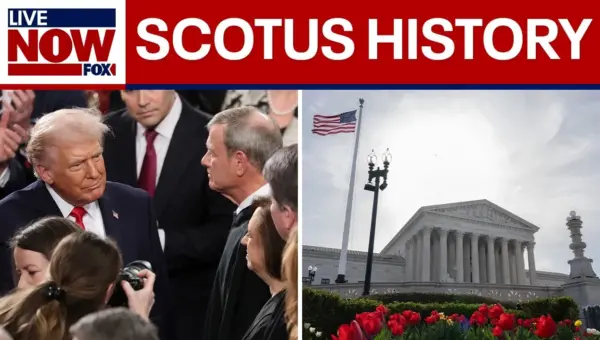
Trump Attends Supreme Court Birthright Citizenship Hearing
President Trump made an unprecedented appearance at the Supreme Court to hear arguments on his executive order challenging birthright citizenship. The case hinges on the interpretation of the 14th Amendment's Citizenship Clause. A ruling against birthright citizenship could have profound effects on millions of U.S.-born children of non-citizen parents.

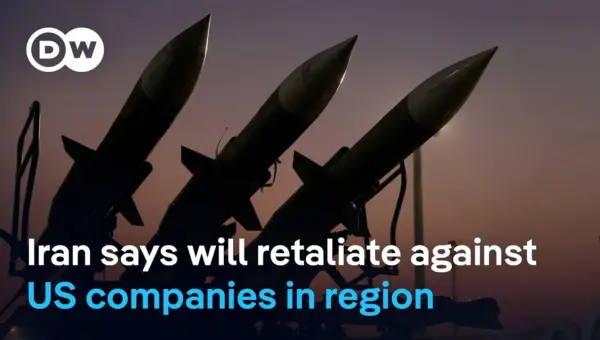
Iran Warns US Firms as Mideast Tensions Flare
Iran's Revolutionary Guard has threatened to target U.S. companies in the Middle East as U.S. and Israeli forces launch new strikes. Defense Secretary Buttigieg believes Iran's window for retaliation is closing, though analysts warn its asymmetrical capabilities persist. Morale within Iran's military is reportedly plummeting amid escalating conflict.