Trump Signals New World Order Amidst Iran Conflict
Former President Donald Trump has signaled a major shift in U.S. foreign policy, questioning NATO's role and proposing a "new world doctrine" that emphasizes self-reliance among allies. This comes as military operations in Iran near completion, but lingering uncertainty is causing market volatility and driving up oil prices.

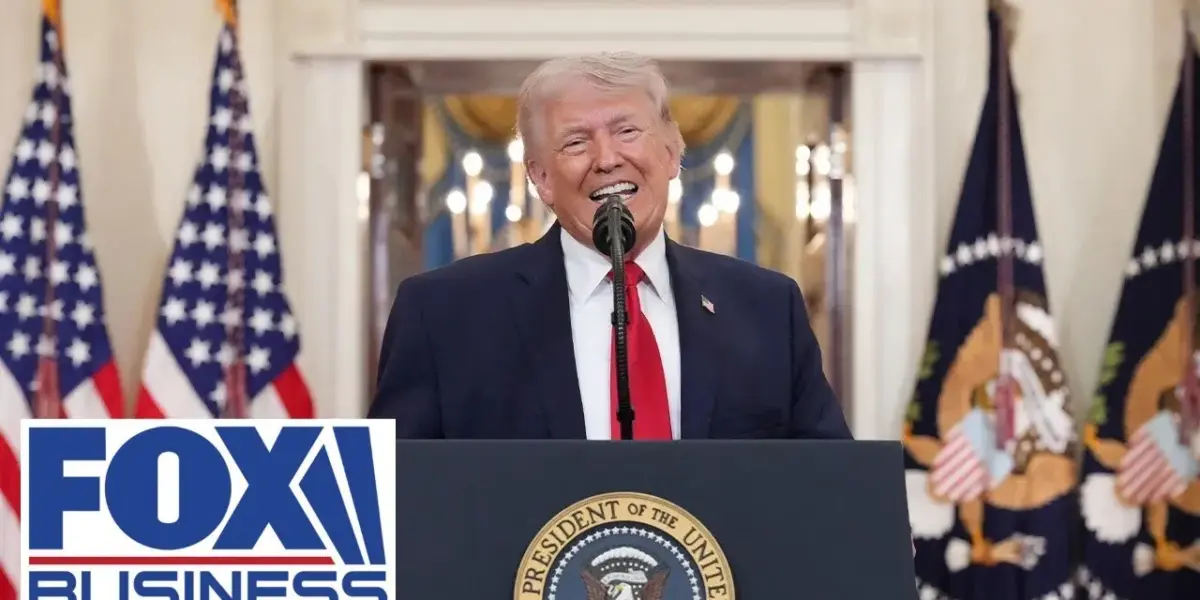
Trump Signals New World Order Amidst Iran Conflict
Former President Donald Trump has outlined a significant shift in U.S. foreign policy, questioning long-standing alliances like NATO and proposing a new global doctrine. This comes as the U.S. military operation in Iran nears its objectives, but lingering uncertainty is creating market volatility.
Iran Conflict Nears Climax, Market Anxious
The military campaign against Iran is reportedly nearing its end, with significant damage inflicted on its navy and air force. A senior official suggested the conflict could conclude by the end of April. However, the possibility of further targeted strikes to cripple the Iranian regime remains, creating a mixed signal for markets.
This uncertainty has directly impacted stock markets, driving them lower. Oil prices have also spiked. The market’s reaction stems from the potential for a prolonged engagement, with estimates suggesting a further two to three weeks of action. This duration adds a layer of unpredictability that investors dislike.
Trump’s ‘New World Doctrine’ Challenges Allies
Speaking on the global stage, Trump declared that America will no longer provide security for allies who sit on the sidelines. He specifically called out NATO members, suggesting they have not contributed sufficiently to collective security. “America will not pay and provide security while our allies sit on the sidelines,” he stated.
Trump criticized countries that refused to join the campaign against Iran, highlighting the U.S. had to act alone. He called for a “new world doctrine” where nations unable to secure their own fuel supplies should take responsibility, rather than relying on U.S. resources. This approach signals a potential reevaluation of mutual defense agreements and burden-sharing.
Economic Ripples: Oil, Debt, and Inflation
The ongoing conflict and potential for extended military action have significant economic implications. The market’s primary concern is the U.S. presence and its potential impact on global oil supplies. If the U.S. remains engaged, it could disrupt oil flow through the Strait of Hormuz, a critical global shipping lane.
This disruption raises borrowing costs, particularly concerning given the U.S.’s substantial national debt, reportedly around $39 trillion. Furthermore, supply disruptions and increased energy costs can lead to broad-based inflation. Companies with automatic fuel surcharges in their contracts, like trucking firms, may benefit by passing costs to consumers. However, smaller businesses and individual consumers are likely to face higher prices across the board.
Market Reaction: Volatility and Uncertainty
The market’s response has been characterized by sharp swings. While there have been intraday reversals, the overall trend has been downward due to the perceived risk. Investors are closely watching for any definitive timeline or de-escalation. The potential for a two-to-three-week extension of military operations is seen as a key driver of current volatility.
Some analysts suggest that the market may be more concerned with the U.S. exiting the conflict cleanly rather than the specifics of Iran’s economic activities. However, the disruption of economically vital commodities like oil, especially if it leads to higher borrowing costs and inflation, is a significant worry for broad market stability.
What Investors Should Know
The current geopolitical situation presents a complex environment for investors. Key factors to monitor include:
- Duration of Conflict: Any extension beyond the estimated two-to-three weeks could increase market volatility and economic pressure.
- Oil Prices: Fluctuations in oil prices directly impact inflation, transportation costs, and corporate earnings.
- Geopolitical Shifts: Trump’s proposed “new world doctrine” suggests a potential realignment of international security responsibilities, which could affect global trade and defense spending.
- U.S. Debt: Rising borrowing costs due to prolonged conflicts could exacerbate concerns about the U.S. fiscal situation.
While the immediate focus is on the short-term implications of the Iran conflict and potential market swings, the longer-term impact of a redefined U.S. foreign policy and its effect on global alliances remains a significant consideration for strategic investors.
Source: 'NEXT PHASE': Trump UNLOADS on NATO, calls for 'NEW WORLD DOCTRINE' (YouTube)

Related Articles
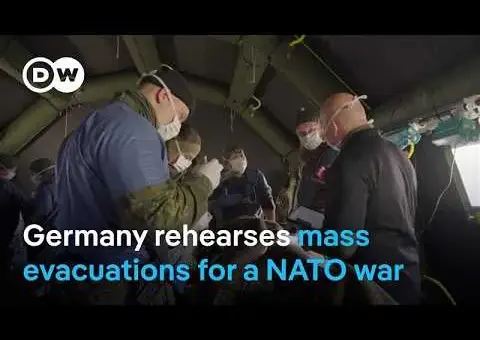
Germany Tests War Readiness: Can It Evacuate 1,000 Wounded NATO Soldiers Daily?
Germany recently held its largest medical exercise in decades, Quadriga 2026, to test its capacity to evacuate up to 1,000 wounded NATO soldiers daily from the alliance's eastern flank. The drill simulated real-world conditions, from battlefield injuries in Lithuania to hospital transfers across Germany, exposing both strengths and critical weaknesses in the nation's war readiness.
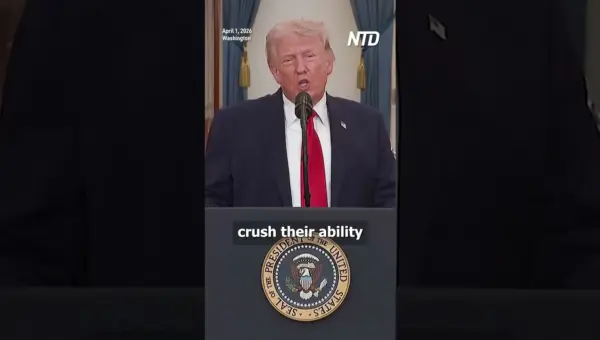
Iran’s Military Power Crushed, Trump Claims Victory
President Trump claims the U.S. is close to completing its strategic goals against Iran's military, stating its navy, air force, and missile programs are "destroyed" or depleted. He thanked Middle East allies for their cooperation in this effort.

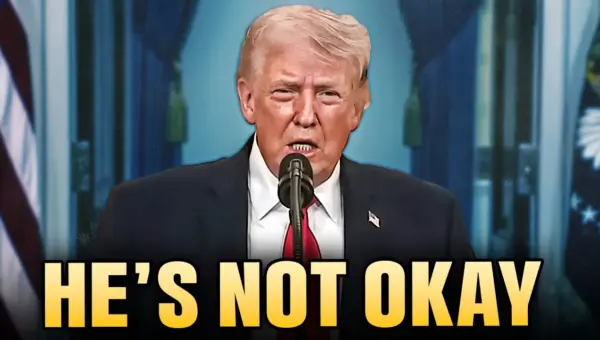
Trump’s Iran Speech: A Public Stumble and Market Jitters
Donald Trump's recent address on Iran raised more questions than answers, with mixed messages about the situation and a noticeable decline in his delivery. The speech, intended to reassure, instead sparked market worries and renewed concerns about his cognitive state, failing to achieve its stated objectives.