Trump Signals Long Iran Standoff, Experts Urge Clear Objectives
President Trump signaled a long-term U.S. strategy regarding Iran, emphasizing the goal of preventing nuclear weapons and regime change. Experts discussed the need for clear objectives and highlighted the economic impact of the Strait of Hormuz closure and attacks on energy infrastructure.

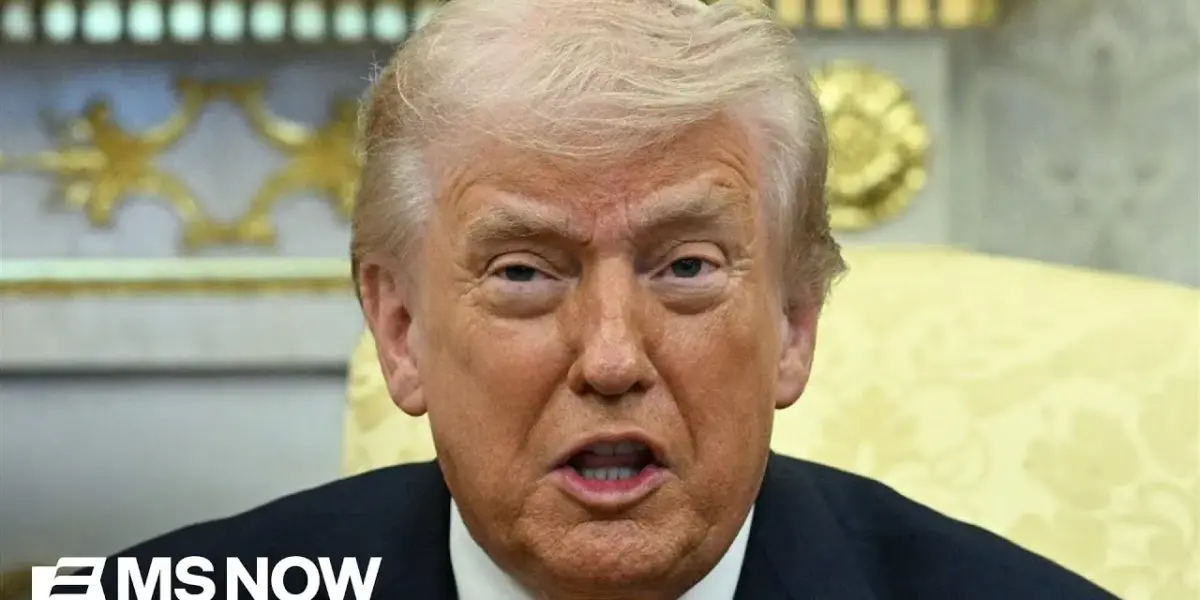
Trump Discusses Iran Standoff in New Interview
President Trump recently shared his views on the ongoing tensions with Iran in an interview, stating his desire to prevent Iran from developing nuclear weapons for at least 10 years. He also emphasized the need to change the regime in Tehran, suggesting that American ground troops might be necessary, though he remained guarded about specific plans. The President’s remarks, as heard in the interview, indicate a belief that the U.S. is committed to a prolonged engagement with Iran.
Experts Weigh In on Strategy and Goals
Retired U.S. Navy Vice Admiral Robert Hayward noted that the President’s stance implies a long-term U.S. involvement in the conflict. He suggested that the administration has been deliberately keeping its options open. Admiral Hayward believes that as long as the current Iranian regime remains in power, the issues will persist, potentially for decades. He stressed that the regime itself is the central problem.
Wendy Anderson, a senior adviser at the Jewish Institute for National Security of America, highlighted the critical sticking point: preventing Iran from obtaining nuclear weapons. She pointed out that Iran still possesses a significant amount of enriched uranium. Anderson expressed a common sentiment among experts and the public, stating, “I really think people from both parties would like to hear from the President, hey, what are the objectives?” She called for clear communication, whether the goal is deterrence, containment, or preventing further nuclear material development. Anderson warned that without clear objectives, the U.S. risks being drawn deeper into a costly conflict with an unclear purpose.
Strait of Hormuz: A Key Pressure Point
A major focus of the discussion was the closure of the Strait of Hormuz, a vital shipping lane that has significantly impacted global oil prices. David Rood, a senior national security reporter, explained that the island of Qarg is a critical pressure point, as 90% of Iran’s oil passes through it. While seizing Qarg could hurt Iran’s revenue, experts are unsure if it would lead to surrender, given that Iran has been storing food and already rationing under existing sanctions.
Maritime experts and former military officials offered differing views on how to reopen the Strait. Some believe American troops would need to be on the ground in Iran to prevent attacks on ships. Others suggest that U.S. destroyers and drones patrolling overhead could suffice. However, ship owners are unlikely to resume passage until they feel the route is completely secure. The concern is that even with escorts, the threat could persist for years as long as the regime remains, making any incentive to de-escalate unlikely.
Potential Military Operations and Broader Threats
Admiral Hayward discussed the military options available, including amphibious landings by the Marines, maritime interception operations, and blockading Iranian ships. He also mentioned Bandar Abbas as a potential target. He noted that the current situation coincides with Norooz, the Iranian New Year, a significant time for the people, suggesting that the regime might be facing internal challenges.
The conversation also touched upon Iran’s capacity to inflict terror globally. Iran’s state media has issued warnings about tourist attractions and entertainment centers worldwide. Admiral Hayward described the threat as real and warned that allowing it to persist and grow over decades is a major part of the problem. He argued that if the current issues are not addressed now, they will only worsen, likening the situation to a cancer that metastasizes.
Economic Impact and Global Stability
The targeting of energy facilities, including recent strikes in Kuwait and Qatar, has had immediate economic consequences. David Rood reported that these attacks are driving up oil and natural gas prices globally. The disruption to natural gas production in Qatar, the largest processing center in the Middle East, led to a 30% increase in European natural gas prices. He described the situation as a test of wills, with Iran betting that the U.S. will yield before they do.
Wendy Anderson emphasized the extreme and dangerous long-term impact on the global economy if escalation continues. She stated that attacks on production, refining, and export facilities, along with Iran’s recent strikes on four neighbors, challenge the resilience of the entire regional energy system. Even the fear of repeat attacks can disrupt markets and planning, pressuring governments far from the conflict zone. Anderson called for strategic discipline from the U.S. administration and its partners, urging them to recognize that attacks on energy infrastructure with global implications are a threshold issue that widens conflict, destabilizes states, and triggers economic consequences with no clear end in sight.
Looking Ahead
The ongoing tensions with Iran present a complex challenge with significant global economic and security implications. As the U.S. navigates its strategy, clarity on objectives and a coordinated approach with allies will be crucial. The world will be watching to see how the pressure campaign evolves and whether it leads to a substantial change in Iran’s behavior or a deeper, more protracted conflict.
Source: Trump to MS NOW: We could leave Iran right now but that's not an acceptable situation (YouTube)

Related Articles
Iran-Backed Houthis Strike Israel, Escalating Regional Tensions
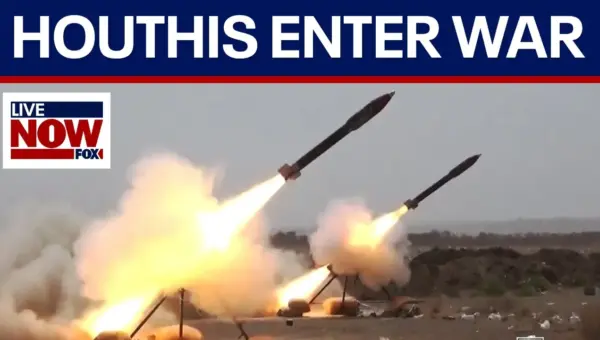
Iran-backed Houthi rebels have launched a missile attack targeting Israel, marking their first such strike since the current Middle East conflict began. The Israeli military confirmed the interception of the projectile. Analysts view this action as part of Iran's broader regional strategy, highlighting the regime's reliance on proxy forces amid internal weaknesses.

G7 Leaders Clash Over Trump’s Iran Policy Amidst Global Crisis
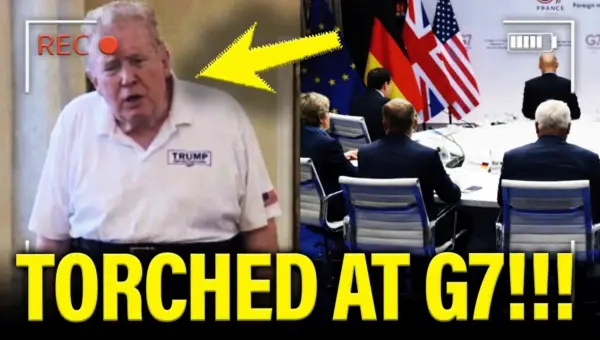
World leaders at a G7 meeting voiced sharp criticism of Donald Trump's Iran policy, citing concerns over the Strait of Hormuz and a looming global recession. Disagreements emerged regarding strategy and accusations of misinformation, highlighting deep divisions.

Iran Extends Strait of Hormuz Deadline Amid Global Oil Tensions
The U.S. has granted Iran a 10-day extension to reopen the Strait of Hormuz, a critical global oil route. This move comes amid complex negotiations, military actions, and concerns over Iran's strategic leverage and resilience. Lawmakers express frustration over the lack of a clear strategy and potential escalation.