Trump Shifts Strait of Hormuz Stance, Markets React
Donald Trump has reversed his position on the Strait of Hormuz, now calling it a "major priority" and suggesting the U.S. may charge tolls. Markets reacted briefly positively to the increased focus on maintaining open oil transit. The situation remains tense with threats of military action against Iran.

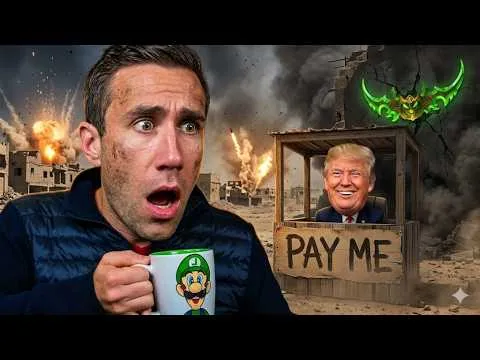
Trump Reverses Course on Strait of Hormuz Strategy
In a notable shift, Donald Trump has publicly changed his stance on the strategic Strait of Hormuz, a critical waterway for global oil transport. This development comes just days after he initially suggested that countries should independently secure their own oil supplies and that the U.S. did not need to be involved in managing the strait.
Last week, Trump stated, “We don’t need the Strait of Hormuz. In fact, if anybody needs it, they should just go get it themselves. They can control the strait.” This position implied a potential withdrawal of U.S. involvement in ensuring freedom of navigation through this vital chasm.
However, in a recent statement, Trump described the Strait of Hormuz as a “very high priority, major priority.” He also indicated that the U.S. is developing a concept to charge tolls on ships transiting the strait. This marks a significant reversal from his previous remarks.
“We won. I’d rather charge the tolls. We are working on a concept where we charge tolls in the Strait of Hormuz,” Trump stated. He emphasized that any deal must include the “free traffic of oil,” a clear departure from his prior suggestion that other nations handle their own oil transit needs.
Market Response to Shifting Stance
Financial markets showed a brief positive reaction to this change in rhetoric. The initial concern among investors was that a U.S. withdrawal from managing the strait could leave it in a volatile state, potentially disrupting global oil flows and impacting the economy. The market’s focus, analysts note, is on maintaining stable global trade rather than the specific geopolitical actors involved.
The renewed U.S. emphasis on keeping the strait open, potentially through active involvement, was perceived as a confidence booster for markets. This suggests that any significant disruption to oil transport would be met with a stronger U.S. response, a scenario generally viewed as favorable for economic stability.
Escalation and Negotiation Tactics
The situation is framed against a backdrop of heightened tensions. Trump revealed that a plan is in place for potential military action against Iran, targeting power plants and bridges, set for 8:00 p.m. Eastern time the following day. He expressed a preference to avoid such action but stated it was a viable option.
This threat follows an incident where a bridge in Tehran was reportedly destroyed, which Trump suggested was a tactic by Iran to signal a willingness to negotiate. “All right, you guys want to keep playing games?” Trump reportedly asked following the bridge incident, indicating a hardball negotiation approach.
Interestingly, Trump also hinted at a potential U.S. role in rebuilding damaged infrastructure in Iran. “We might even get involved in helping them rebuild,” he suggested. While this could involve U.S. taxpayer money, it might also signal a path toward de-escalation and finding common ground in negotiations.
Details of a Risky Rescue Operation
The press conference also provided details on a recent weekend rescue operation. The mission involved 155 aircraft, including 64 fighter jets and 48 refueling tankers. The operation aimed to rescue personnel, with one helicopter and trailing aircraft reportedly coming under small arms fire.
During the operation, a pilot ejected over friendly territory. The call sign for the downed aircraft was “Dude 44,” with the pilot being “Dude 44 Alpha.” The rescue effort was described as risky, potentially endangering around 100 American lives to save one or two individuals.
The search for the pilot involved advanced technology, with the CIA using scanners to identify a potential heat signature from 40 miles away. After observing a figure for 45 minutes, they confirmed it was a human head and subsequently located the pilot. The terrain was described as mountainous and green, similar to parts of Colorado, rather than a barren desert.
Technological Prowess and Military Capabilities
The ability to positively identify an American pilot from 40 miles away using drone technology was highlighted as “insane” and indicative of advanced capabilities. This technology allows for precise targeting and identification without flying drones directly over potential targets, minimizing the risk of signaling their presence.
Trump confirmed that a man-portable air-defense system (MANPADS), a shoulder-mounted heat-seeking missile, was responsible for downing one of the aircraft. He also stated that Iran’s military capabilities are currently stronger than at any point in the last 47 years, attributing this to a more sophisticated and different leadership compared to previous regimes.
Investor Takeaway
While the rhetoric remains forceful, the hints of potential rebuilding involvement and the emphasis on toll collection for passage through the Strait of Hormuz suggest a complex negotiation is underway. The repeated delays and shifts in timelines for potential military actions indicate a cautious approach, despite the aggressive language.
Analysts suggest that the market’s primary concern is the uninterrupted flow of oil and overall economic stability. Developments that suggest a path toward de-escalation, even amidst military posturing, can be viewed as cautiously optimistic. The focus remains on whether a deal can be reached that ensures global trade routes remain open without prolonged conflict.
Source: holy smokes Trump FLIPS AGAIN!!!!! {BREAKING NEWS} (YouTube)

Related Articles
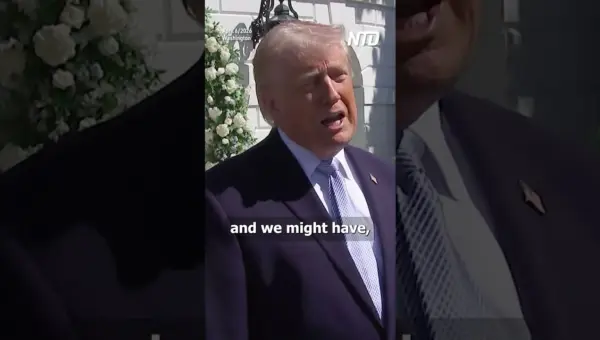
Trump Threatens Iran’s Destruction, Hints at Oil Seizure
Former President Donald Trump has issued severe threats against Iran, vowing to "obliterate" the country if it doesn't surrender. He also expressed a desire to seize Iran's oil resources, citing it as "there for the taking." These statements highlight a stark and aggressive foreign policy stance.
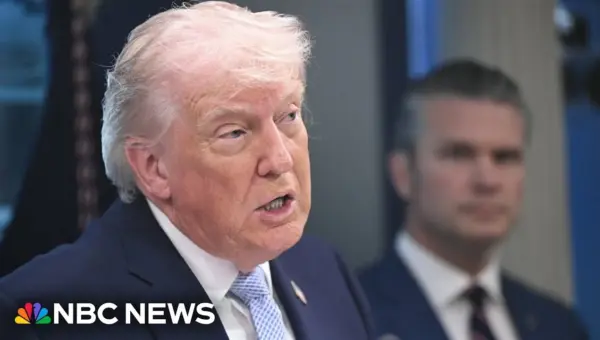
Trump Details Daring Iran Airman Rescue Mission
Former President Donald Trump described a daring U.S. military operation to rescue an airman shot down over Iran. The pilot evaded capture for hours in harsh terrain before a massive aerial effort, involving over 150 aircraft and strategic deception, brought him home safely without casualties.
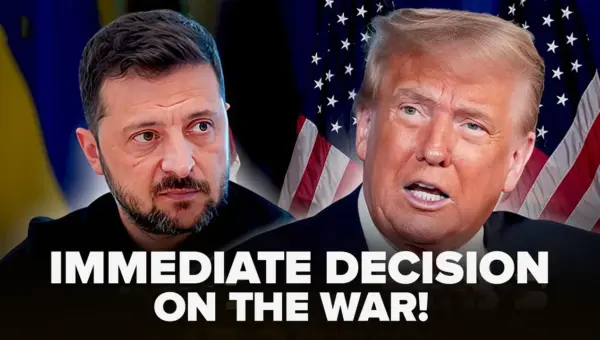
Trump Threatens Iran Amidst Shifting Alliances
Former President Donald Trump issued a strong warning to Iran, threatening military action to reopen the Strait of Hormuz. Meanwhile, Ukraine pursues deeper diplomatic ties with Turkey and Syria, seeking broader international support amidst shifting global alliances.