Trump Shifts Mideast Policy, Eyes NATO Reform
The U.S. has paused military action against Iran, seeking a diplomatic solution while pressuring NATO for greater involvement. This shift highlights economic leverage and potential regional stability changes. Talks in Pakistan could be key to de-escalation.

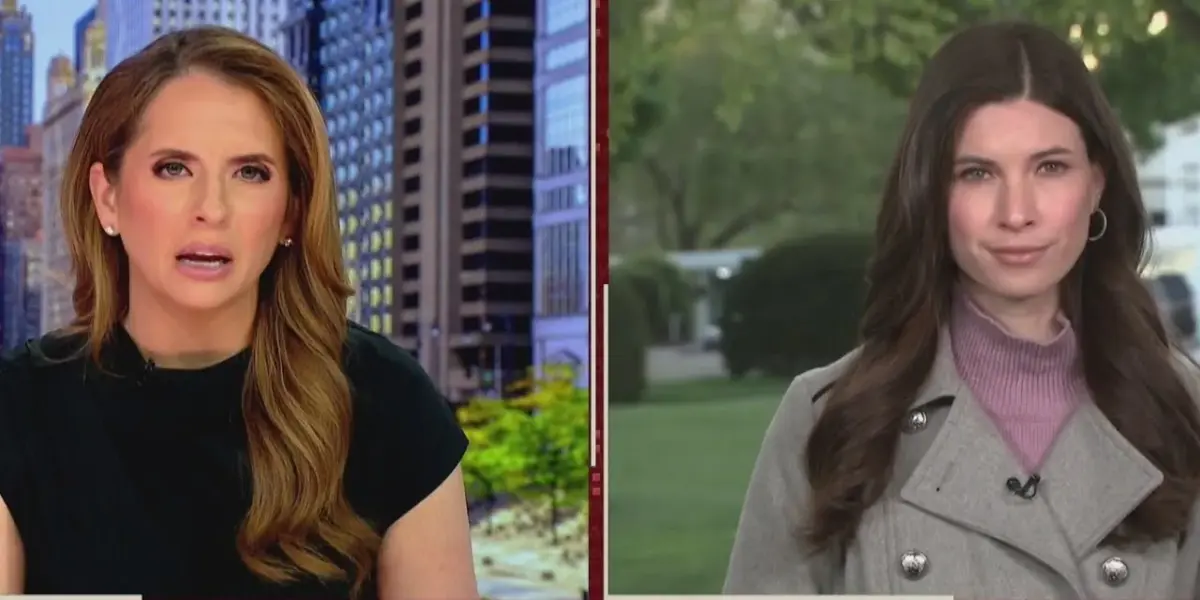
Trump Pauses Iran Strikes, Seeks Broader NATO Role
The United States has announced a two-week pause in military action against Iran, signaling a potential shift in its Mideast strategy. This move comes as President Trump prepares to meet with NATO’s Secretary-General, aiming to reshape the alliance’s involvement in global security. While the White House claims military objectives have been met, questions linger about the next steps and the sustainability of the current “fragile truce.” The UAE reported actively firing at incoming Iranian missiles, indicating ongoing tensions despite the pause.
U.S. Stakes Claim in Strait of Hormuz
President Trump indicated the U.S. will assist in building up security in the Strait of Hormuz. This suggests American forces may play a continuing role in ensuring safe passage through this vital shipping lane. White House officials described the current situation as a “road map to a diplomatic solution for long-term peace” with Iran, achieved through tough negotiations. Vice President Vance characterized the truce as delicate, emphasizing the need for Iran to engage in good faith.
“If they’re willing in good faith to work with us, I think we can make an agreement. If they’re going to lie, cheat, if they’re trying to prevent even the fragile truce that we’ve set up from taking place, we’re not going to be happy.”
Economic Leverage and Diplomatic Pressure
Vice President Vance stressed the United States possesses significant economic power, alongside military and diplomatic tools, to influence the situation. He warned Iran against dishonesty or attempts to undermine the truce. The President has instructed his team to pursue negotiations, but signaled that economic leverage remains a potent option if Iran does not reciprocate in good faith. This highlights a strategy of using potential economic pressure to drive diplomatic progress.
Pakistan Hosts Potential Peace Talks
Pakistan’s Prime Minister has invited leaders from the U.S. and Iran to Islamabad for talks this Friday. The White House is considering attending these negotiations, though no final decision has been made. This diplomatic initiative offers a potential platform for de-escalation and finding a path toward lasting peace in the region.
NATO Alliance Under Scrutiny
President Trump’s meeting with NATO’s Secretary-General comes amid his vocal criticism of the alliance. He has expressed frustration over what he sees as insufficient support from NATO allies regarding the conflict in Iran. Trump has suggested the U.S. might reconsider its membership if the alliance does not evolve. The President has argued that the reopening of the Strait of Hormuz was achieved without direct assistance from NATO partners, underscoring his desire for greater burden-sharing.
Global Impact: Shifting Alliances and Regional Stability
The U.S. decision to pause strikes and focus on diplomatic solutions with Iran, while simultaneously pressuring NATO for greater involvement, represents a significant geopolitical maneuver. This dual approach could redefine regional security dynamics in the Middle East and alter the future role of the transatlantic alliance. The success of these initiatives hinges on Iran’s willingness to negotiate genuinely and on NATO members’ readiness to adapt to President Trump’s demands for increased commitment. Failure could lead to renewed conflict in the Persian Gulf or a fracturing of the NATO alliance.
Historical Context: Past Tensions and Future Precedents
U.S.-Iran relations have been fraught with tension for decades, marked by events like the 1979 hostage crisis and subsequent sanctions. The current situation echoes past attempts at de-escalation, but President Trump’s emphasis on economic leverage and direct negotiation represents a distinct approach. His challenges to NATO’s traditional security framework also recall historical debates about burden-sharing and the alliance’s purpose beyond the Cold War. This period could set new precedents for international diplomacy and collective security arrangements.
Economic Considerations: Energy Routes and Sanctions Power
Control over the Strait of Hormuz is critical, as roughly one-fifth of global oil consumption passes through it. Any disruption to shipping there has immediate global economic consequences. The U.S. possesses significant economic leverage through sanctions, which can be used to compel compliance from Iran. The effectiveness of these economic tools will be a key factor in determining the outcome of negotiations and the stability of the region.
Future Scenarios: Cooperation or Continued Confrontation
One potential future involves successful diplomatic breakthroughs, leading to a de-escalation of tensions with Iran and a reformed, more engaged NATO. Another scenario sees negotiations falter, prompting the U.S. to resume military action or intensify economic pressure. A third possibility is a weakening of NATO, with the U.S. playing a more unilateral role in global security. The path forward remains uncertain, depending heavily on the decisions made by leaders in Washington, Tehran, and across NATO member states.
Source: Trump pauses Iran strikes for 2 weeks | Morning in America (YouTube)

Related Articles
Middle East Ceasefire Shattered by Iranian Missile Barrage
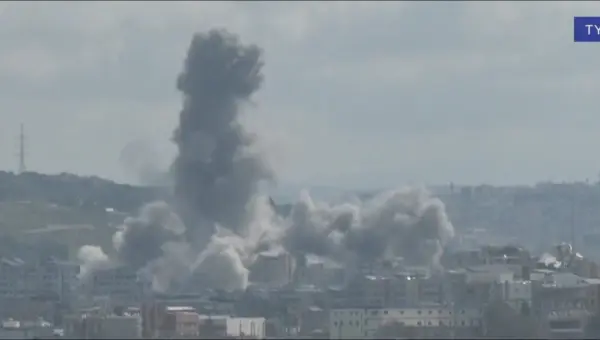
A fragile Middle East ceasefire has been shattered by a barrage of Iranian missiles and drones just hours after its announcement. The UAE and Kuwait reported intercepting threats, while Israel confirmed suspending strikes but faces continued aggression. The Strait of Hormuz and actions in Lebanon remain critical flashpoints, complicating diplomatic efforts.

US and Iran Agree to Two-Week Ceasefire Amid Tensions
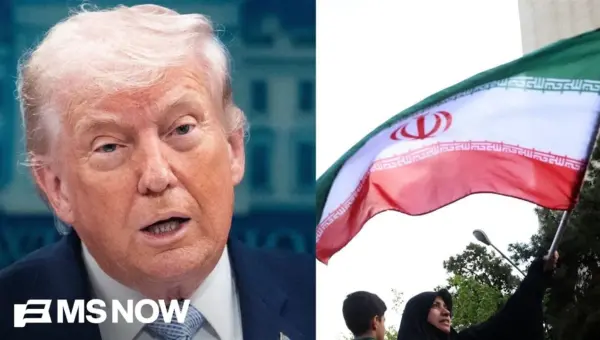
The United States and Iran have agreed to a two-week ceasefire, temporarily halting nearly 40 days of conflict. The deal, brokered by Pakistani mediators, hinges on the reopening of the Strait of Hormuz, though significant sticking points remain regarding Iran's nuclear program and the terms of a potential permanent agreement. International relief is palpable, but analysts warn of the challenges ahead in achieving lasting peace.
Oil Prices Plummet as Iran Ceasefire Ends Strait of Hormuz Standoff
A last-minute ceasefire between the U.S. and Iran has averted a crisis in the Strait of Hormuz, sending oil prices tumbling and stocks soaring. The deal brings relief to global energy markets, though verification of Iran's compliance and the role of other nations remain key concerns.