Trump Shifts Iran Stance Amid Oil Surge, Cites ‘Preemptive Doctrine’
President Trump defended his administration's actions in Iran, citing an "imminent threat" and a "preemptive doctrine." However, his justifications, including unsubstantiated claims about Iran's nuclear program, face scrutiny amid rising oil prices and global market jitters. Experts question the long-term implications and the precedent set by preemptive military action.

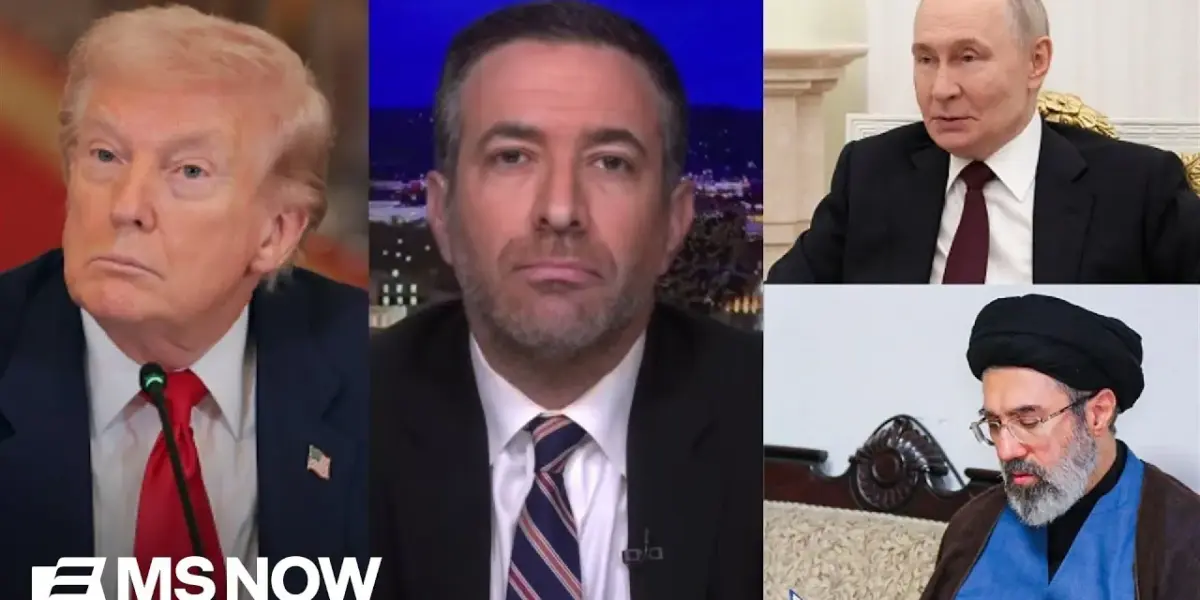
President Trump Addresses Iran Conflict, Citing Unsubstantiated Threats
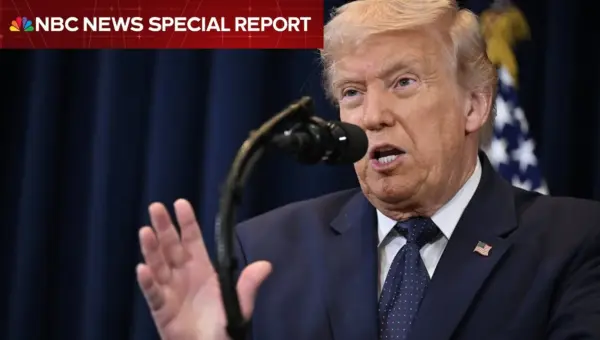
In a significant address, President Trump reiterated his justifications for the United States’ involvement in Iran, framing the action as a necessary preemptive measure against an imminent threat. Speaking to reporters, the President asserted that Iran posed an immediate danger, stating, “They would attack us. They had attacked their neighbors. And that’s why he wanted to enter the conflict first in his view.” However, many of these assertions, including allegations of Iranian-friendly fire, were met with skepticism and press inquiries, with some claims described as unsubstantiated.
Economic Fallout and Market Jitters Drive Presidential Remarks
The President’s extended remarks on Iran, the longest since the conflict began, appear to have been influenced by recent economic turbulence. Former diplomat Rick Stangle noted the timing, suggesting the President felt compelled to address the situation following a surge in oil prices exceeding $120 and a downturn in the stock market. “He felt he had to come and try to explain what was going on, but he still can’t explain exactly why he’s doing what he did,” Stangle commented.
Stangle highlighted the President’s varied rationales for the intervention, including eliminating nuclear threats, curbing ballistic missile capabilities, aiding Israel, and ensuring the flow of oil. However, he questioned the ultimate objective: “What is the actual purpose? What is the actual outcome he desires? And when you don’t know where you’re going, any road will take you there. So he can declare victory at any time.” This, Stangle suggested, was an effort to calm markets and signal a controlled end to the operation, though he cautioned against underestimating the global consequences.
Oil Prices and the Straits of Hormuz: A Critical Economic Nexus
The economic implications of the conflict, particularly concerning oil prices and gasoline costs, remain a primary concern for the public and policymakers. CNBC economics expert Steve Liseman addressed the President’s economic outlook, emphasizing the critical role of the Straits of Hormuz, through which approximately 20% of the world’s oil passes. “The key to the situation here I think it’s not a follow-up unfortunately, which is the opening of the Straits of Hormuz,” Liseman stated.
Liseman elaborated on the uncertainty surrounding the reopening of these vital waterways. “What’s unclear is if the president stops now, does that open, can the U.S. keep them open and resume the flow of oil? That will be the key.” He warned that while an increase in oil and gas prices could be temporary if the Straits reopen, they could become long-lasting and perilous if they remain closed.
Challenging the Premise: Imminent Threat or Weakened Adversary?
Rick Stangle directly challenged the President’s assertion of an imminent Iranian threat. “What he said was false. The idea that Iran was an imminent threat to the United States is absurd. They don’t have missiles that could reach the United States. They were not two weeks away from a nuclear weapon,” Stangle argued. He pointed to expert estimates suggesting Iran was years, not months, away from developing nuclear capabilities, and recalled the President’s own prior statements about having eliminated Iran’s nuclear threat.
Stangle posited a counter-narrative: “In fact, my argument is that we invaded them precisely because it was not an imminent threat, because they were weak. Their economy was damaged. Their nuclear threat was diminished. That’s why we hit them.” He concluded that the President had initiated the conflict based on a false premise, leading to a situation with significant global ramifications.
Precedent and Peril: The Global Implications of Preemptive Action
Beyond the immediate conflict, Stangle raised concerns about the precedent set by the U.S. adopting a preemptive doctrine. He warned that such actions could embolden other global powers. “This gives a permission structure for Russia in Ukraine. This gives a permission structure for China in Taiwan. It’s a much darker world, a world of this kind of hyper-power world where people can control their interests where they live,” Stangle stated.
He drew parallels to historical great power politics, noting that while such actions might seem appealing in the short term, the 20th century is replete with examples of their disastrous long-term consequences. “World wars started by powers that thought, well, we’ll control this country and this region and this land. And it didn’t work out well,” he added.
A Questionable Track Record in Nation-Building
Adding to the concerns, Stangle questioned the efficacy of U.S. interventions in establishing stable democracies. He referenced past experiences in Iraq and Afghanistan, as well as a program in Russia, describing the results as “less than overwhelming.” The President’s mention of a formula from Venezuela was met with uncertainty.
“Fundamentally different from the liberation day tariffs, something the President has the power to turn on and turn off,” Stangle remarked, drawing a distinction between economic policies and military actions. He concluded that the unpredictable nature of military interventions and the subsequent scattering of consequences make long-term outcomes highly uncertain, especially given the U.S.’s limited success in rebuilding nations post-conflict.
Looking Ahead: Market Stability and Diplomatic Clarity
As the situation unfolds, attention will remain fixed on the stability of global oil markets and the flow of trade through the Straits of Hormuz. The administration’s ability to de-escalate tensions, coupled with a clear articulation of achievable objectives and a strategy for withdrawal, will be crucial in restoring market confidence and mitigating further geopolitical repercussions. The long-term impact of this preemptive action on international relations and the potential for similar interventions by other global powers will also be a critical area to monitor.
Source: 'Warmonger’ Trump’s retreat! Oil SURGE & Putin call has 47 vow plan with NO 'regime change' in Iran (YouTube)

Related Articles
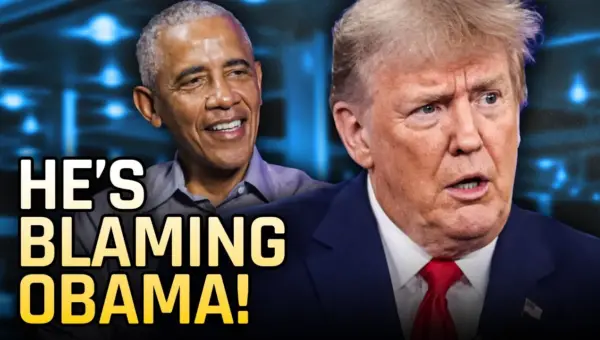
Trump Pivots Blame: Obama’s Iran Deal Fueled Current Conflict
As U.S. involvement in conflict with Iran escalates, former President Trump deflects blame onto the Obama administration's Iran nuclear deal. This analysis examines the historical context of the JCPOA, challenges Trump's narrative, and explores the implications of such political maneuvering.
Trump Declares Iran ‘Wiped Out’ Amid Escalating Military Action
President Donald Trump declared a decisive victory over Iran, stating its military capabilities have been "wiped out" following extensive U.S. strikes. During a press conference in Doral, Florida, he detailed the destruction of Iranian naval power, missile, and drone launchers, asserting the primary goal was to prevent Iran from acquiring nuclear weapons. Trump also addressed global oil security and his call with Russian President Putin.
Trump Claims Iran Has Tomahawk Missiles, Lacks Evidence
Former President Donald Trump has claimed Iran possesses Tomahawk missiles, a statement unsupported by intelligence assessments. He also indicated he could accept U.S. responsibility for a deadly strike in Tehran, despite ongoing investigations.