Trump Sets 5-Day Iran Deadline, Boosts Defense Funds
President Trump has issued a five-day deadline for talks with Iran, pausing potential strikes and demanding the reopening of the Strait of Hormuz to stabilize oil prices. Congress is debating a $200 billion defense funding request, exploring political tactics like budget reconciliation.

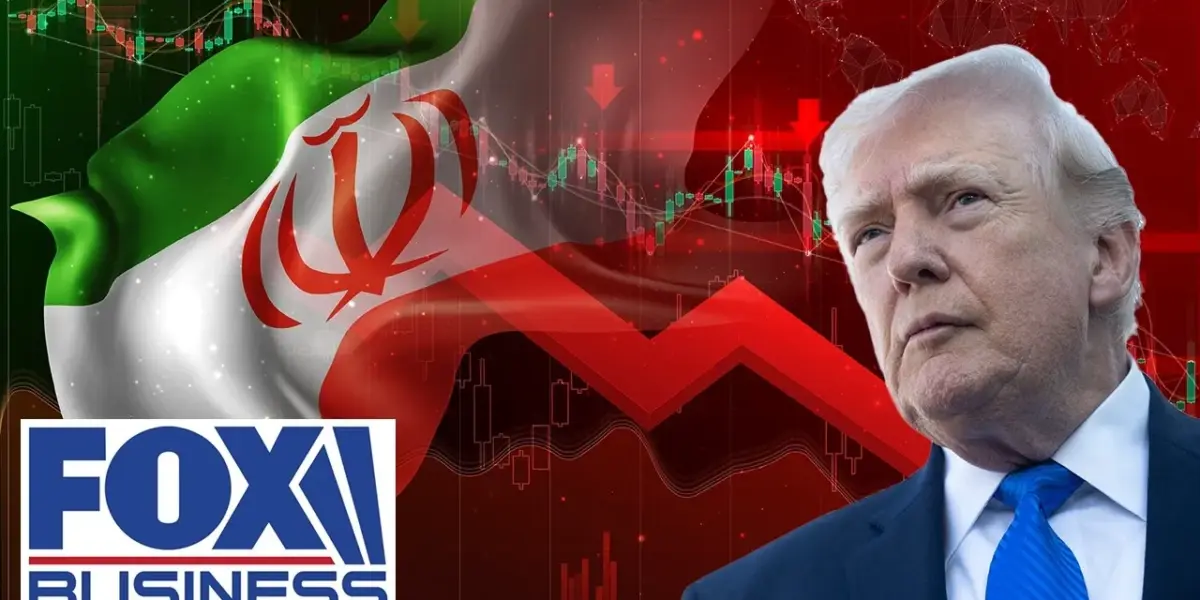
Trump Orders 5-Day Pause on Iran Strikes, Demands Strait of Hormuz Reopening
President Trump has ordered a temporary halt to strikes on Iranian energy sites, setting a five-day deadline for productive talks. This move signals a potential shift in U.S. policy, aiming for a diplomatic resolution rather than further military action. The President believes Iran is eager for a deal, and thousands of U.S. Marines are reportedly heading to the Middle East.
The core of the demand is clear: Iran must reopen the Strait of Hormuz to allow oil traffic to flow freely again. This action is directly aimed at lowering global oil prices. The administration is also considering a $200 billion Pentagon request for funds related to the Iran conflict.
Congress Debates Defense Funding and Reconciliation Tactics
Lawmakers are discussing how to allocate funds for the Iran conflict, with some proposing to include it in a defense funding bill or a budget reconciliation package. Congressman Andy Barr, a member of the House Foreign Affairs Committee, expressed support for supplemental funding.
Barr highlighted the success of “Operation Epic Fury” in degrading Iranian military capabilities and nuclear infrastructure. He stated that the final phase involves securing the Strait of Hormuz to ensure a stable global energy market. This security plan includes measures like drone defense, with manufacturers reportedly capable of mass-producing drones to counter Iranian threats.
Drone Warfare and Military Capabilities
The military has acknowledged the effectiveness of drones as an immediate threat to commercial tankers. U.S. forces have also demonstrated significant capabilities in neutralizing Iranian anti-ship missile systems. Efforts include using powerful bunker-buster weapons to destroy drone launch sites along the coast.
The presence of Marines in the region is intended to provide the President with greater leverage during negotiations. If a resolution is not reached, these forces could be deployed.
Political Maneuvering: Save America Act and DHS Funding
Discussions are ongoing about attaching the “Save America Act,” which focuses on voter ID requirements, to a reconciliation package. This strategy aims to make it a budgetary issue, potentially forcing Democrats to take a stance on election integrity measures.
The debate highlights divisions in Congress, particularly regarding homeland security funding. Some lawmakers criticize Democrats for not prioritizing funding for agencies like the Transportation Security Administration (TSA) and Immigration and Customs Enforcement (ICE) during a time of international conflict.
TSA and ICE Concerns Amidst Shutdown
The transcript touches upon the impact of government shutdowns on essential workers, with a TSA officer sharing concerns about missed paychecks. The officer emphasized support for ICE as a sister agency and urged lawmakers to ensure both agencies are adequately funded and allowed to perform their duties.
There’s a proposal to use reconciliation to fund ICE and potentially other items, including defense spending and the Save America Act, if they can be framed as budgetary matters. This approach is seen as a way to bypass Democratic opposition and address key priorities.
Supporting National Guard and Reserve
In a separate development, Congressman Barr introduced a bill to eliminate federal income tax on inactive duty training pay for National Guard and Reserve members. This initiative, called the “Warrior Dividend,” aims to recognize and honor the service of these individuals.
With approximately 800,000 Guardsmen and Reservists in the country, many of whom are currently deployed, this bill seeks to provide financial relief and improve recruitment and retention efforts. The proposal also includes no tax on overtime pay, acknowledging the dedication of these service members.
Market Impact and Investor Insights
What Investors Should Know
The temporary pause in military action against Iran and the focus on diplomatic talks could provide short-term relief to global oil markets. Any progress in reopening the Strait of Hormuz would be a positive development for energy prices and related industries.
Investors should monitor developments regarding the $200 billion Pentagon funding request. Increased defense spending could benefit companies in the aerospace and defense sectors. The use of budget reconciliation as a political tool could also impact fiscal policy and market sentiment.
Furthermore, discussions around voter ID laws and homeland security funding reflect ongoing political debates that could influence investor confidence and specific sectors, such as private security or technology related to border control.
The proposed tax exemption for National Guard and Reserve drill pay, while not a major market mover, reflects a broader theme of supporting military personnel. This could have minor positive implications for retention in these critical service branches.
Overall, the situation in the Middle East, coupled with domestic political maneuvering on defense and homeland security spending, presents a complex backdrop for investors. Closely watching diplomatic progress and legislative outcomes will be crucial for understanding potential market shifts.
Source: TICKING CLOCK: Trump’s five-day deadline could change EVERYTHING (YouTube)

Related Articles

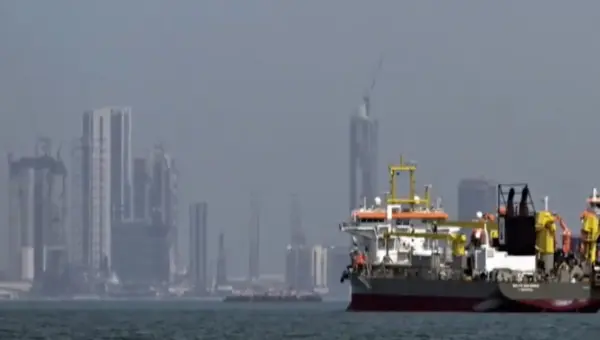
Iran Blocks China Ships, Exposing Beijing’s Weak Grip
Iran's recent decision to block Chinese ships at the Strait of Hormuz is exposing the limits of Beijing's influence in the Middle East. This action is causing delays and cancellations for Chinese manufacturers, turning a perceived geopolitical win into an economic strain.
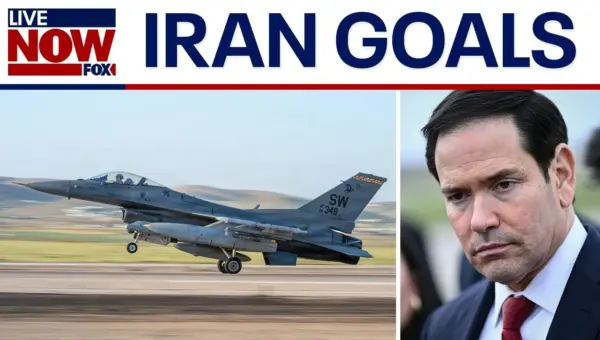
Rubio: US Can Achieve Iran War Goals Without Troops
Senator Marco Rubio outlined a strategy to counter Iran without deploying U.S. ground troops, focusing on weakening the regime and enhancing maritime security. He also criticized Cuba's economic system and expressed concerns about West Bank violence.


Israel Escalates Iran Strikes, Warns of Wider War
Israel has launched significant strikes inside Iran following continued missile fire, warning of further escalation. The conflict risks wider regional instability and economic disruption, especially concerning the Strait of Hormuz.