Trump Seeks Iran War Exit Amidst Military Gains, Strategic Gaps
Despite military successes against Iran, the Trump administration is reportedly seeking a diplomatic exit from the escalating conflict. Former military leaders warn of strategic shortcomings, while intermediaries attempt to broker a peace, though Iranian engagement remains uncertain.

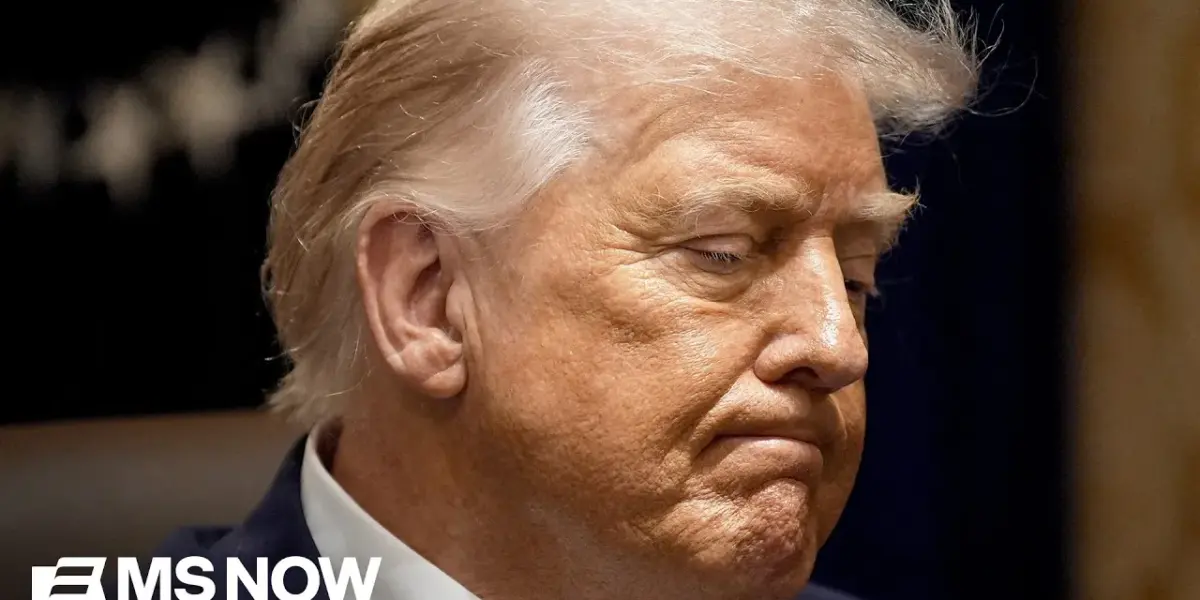
Trump Administration Scrambles for Iran War Off-Ramp
Day 25 of the conflict with Iran has revealed a complex situation where, despite claims of success, the Iranian regime remains a significant threat. The war has led to rising gas prices at home and warnings of future chaos from former military leaders.
Military Successes Lack Strategic Outcomes
Former Defense Secretary Jim Mattis stated that the U.S. is in a difficult position regarding reopening the Strait of Hormuz and easing the oil crisis. He observed that “targetry never makes up for a lack of strategy.” While thousands of targets have been hit and significant military actions taken, these have not translated into desired strategic results. Early goals like unconditional surrender or dictating Iran’s next Supreme Leader were seen as unrealistic.
Former Generals Question Military-Only Approach
Echoing these concerns, former General Stanley McChrystal told The New York Times that the Trump administration cannot force an end to the war through military means. The idea of decapitating the Iranian leadership, especially given the historical context of actions against the current leader’s family, is unlikely to lead to productive negotiations. McChrystal suggested that such actions would not encourage a leader to negotiate.
“We’re in a tough spot when it comes to forcing Iran to reopen the Strait of Hormuz and ease the oil crisis.” – Jim Mattis
Diplomatic Maneuvering and Search for an “Off-Ramp”
Despite the military actions, the Trump administration appears to be seeking a diplomatic resolution. The Wall Street Journal reported that a shift away from attacking Iran’s power plants followed closed-door discussions with Middle Eastern intermediaries. These talks reportedly gave U.S. officials hope for a settlement and reflected a desire by President Trump and some advisors to end the war. However, Arab mediators privately expressed skepticism, noting that the U.S. and Iran remain far apart.
Exploring Potential Iranian Partners
Even as President Trump reportedly seeks to end the conflict, reports from Politico suggest he is considering influencing Iran’s next leadership, similar to actions taken in Venezuela. The administration is reportedly examining Iran’s parliament speaker as a potential partner and future leader. This indicates a potential shift from military pressure toward a negotiated outcome. The White House is exploring various candidates, looking for someone willing to make a deal.
Expert Analysis on Strategy and Negotiation
Former CIA Director John Brennan agreed with the assessments of Mattis and McChrystal, calling them “eminent military strategists.” Brennan noted that while the U.S. military can degrade Iranian capabilities, achieving a settlement requires addressing fundamental issues like the nuclear program and regional policies. He sees little hope for a near-term settlement but believes a pause in fighting could allow for addressing these issues. Brennan also highlighted the need for engagement, even indirectly, with the Iranian regime to halt hostilities.
Michael Crowley, a diplomatic correspondent for The New York Times, reported that intermediaries like the Turks and Egyptians, and potentially the Pakistanis, are involved in discussions. He noted that while President Trump is clearly seeking a way out of the conflict and talking about talks, the Iranians do not appear eager to negotiate. Crowley suggested that confusion within the Iranian regime and the ongoing military campaign might be hindering clear communication and a desire for resolution.
The Role of Intermediaries and Future Outlook
Ann Applebaum, a columnist for The Atlantic, offered a critical perspective, suggesting President Trump’s approach is driven by personal benefit rather than strategic planning. She believes he is looking for a solution that makes him appear victorious, potentially at the expense of American interests or global stability. Applebaum questioned whether the U.S. is in a more vulnerable bargaining position now than before the military action began.
The situation remains fluid, with various countries attempting to mediate. While diplomatic efforts are underway, the willingness of Iran to engage in serious negotiations is uncertain. The coming days will likely show whether a ceasefire or a more comprehensive agreement can be reached, and how the ongoing military operations and rising oil prices will influence these diplomatic efforts.
Source: Trump Administration scrambling to find an off-ramp in War with Iran (YouTube)

Related Articles

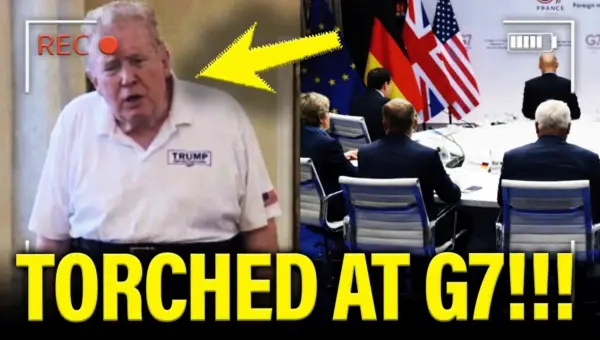
G7 Leaders Clash Over Trump’s Iran Policy Amidst Global Crisis
World leaders at a G7 meeting voiced sharp criticism of Donald Trump's Iran policy, citing concerns over the Strait of Hormuz and a looming global recession. Disagreements emerged regarding strategy and accusations of misinformation, highlighting deep divisions.

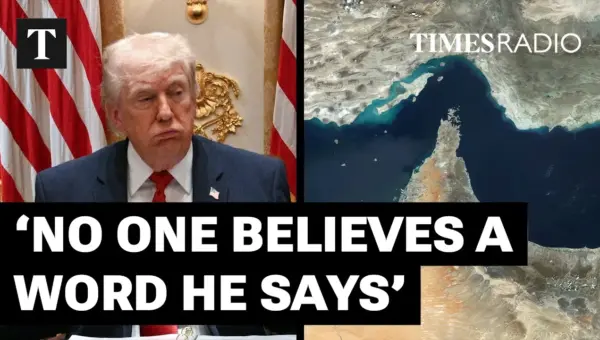
Trump’s Oil Market Influence Wanes Amidst Global Instability
Former President Donald Trump's attempts to influence oil markets have reportedly failed, raising concerns about his diminishing credibility. Analysts compare his approach to "the boy who cried wolf," suggesting a loss of trust among market participants. The discussion also touched upon the use of personal devices for government communication and the vetting of political candidates amidst controversial remarks.

Trump’s War Talk Distracts as World Burns
As global conflicts escalate and economic pressures mount, Donald Trump's focus on past grievances and symbolic wins overshadows pressing issues. His rhetoric, including questionable claims about ending wars and strategic use of terminology to bypass Congress, raises concerns about leadership and national priorities.