Trump Seeks Iran ‘Off-Ramp’ Amid Conflicting Victory Claims
Both the U.S. and Iran are claiming victory following a period of intense conflict, but achieving lasting peace faces significant hurdles. Key issues include Iran's nuclear program and ongoing hostilities in Lebanon, complicating proposed peace talks. President Trump is reportedly anxious for a diplomatic "off-ramp" to de-escalate the situation.

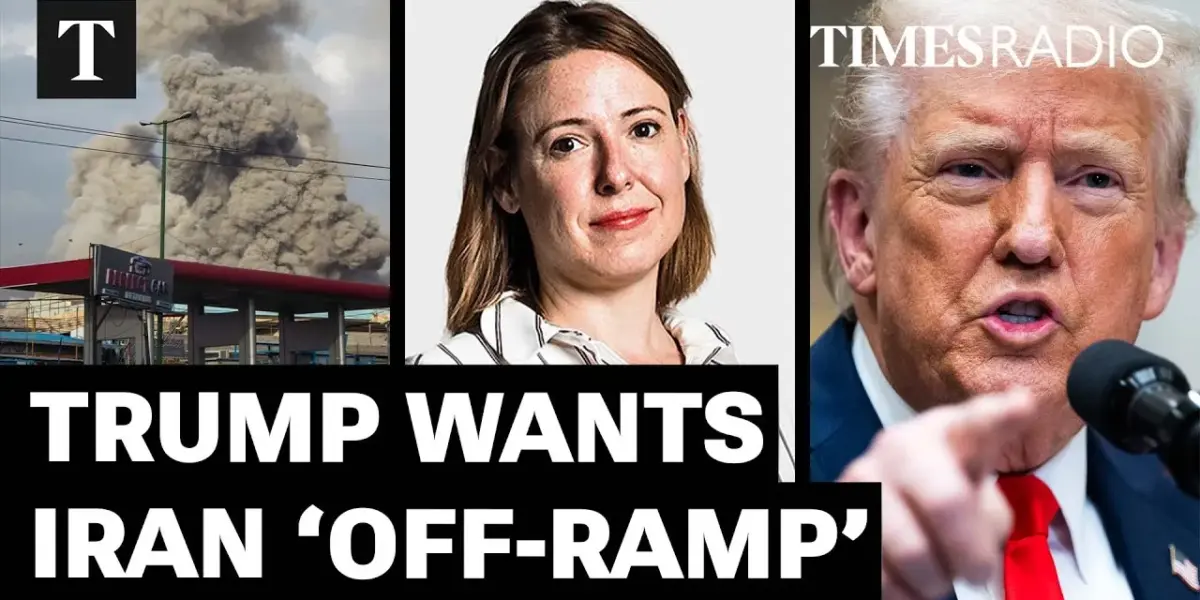
US and Iran Declare Victory in Standoff, But Peace Talks Face Hurdles
In a complex geopolitical development, both the United States and Iran are claiming victory following a period of heightened tension, even as efforts to secure a lasting peace face significant challenges. The situation unfolded as U.S. Defense Secretary Pete Hexith announced that Iran had sought a ceasefire, a claim echoed by President Trump, who has been eager to de-escalate the conflict.
Trump’s Push for a Ceasefire
President Trump has expressed a strong desire to end the recent military confrontation with Iran. U.S. Defense Secretary Pete Hexith stated that Iran had “begged for the ceasefire,” praising President Trump’s leadership in forging this moment. Hexith described the President’s approach as choosing dialogue over military action, noting, “I’d rather talk to you at the table than obliterate your capability to export oil and fund your terror regime.” This suggests a strategic choice by the administration to pursue a diplomatic exit from the immediate crisis.
Conflicting Claims of Victory
Despite the U.S. assertions, Iran has also declared its own victory. World affairs editor Catherine Philp of The Times noted the unusual similarity in the language used by both sides to proclaim success. “It’s the same claim that Iran is making and in almost the same hyperbolic language that both sides are claiming victory,” Philp observed. This mirrors a pattern where both nations seek to present a favorable outcome to their domestic and international audiences.
Pakistan’s Role and Proposed Peace Plan
A crucial development in de-escalating the conflict involved a 10-point plan put forward by Pakistan, which has become a potential basis for future talks. This proposal emerged just before a deadline set by President Trump, who had previously threatened severe retaliation. Philp explained that the Pakistani plan is seen as more favorable to Iran than to Washington. “Almost every single proposition in that list has already been rejected by the US,” she pointed out, highlighting the difficult path ahead for negotiators.
Key Disagreements and Unresolved Issues
Significant obstacles remain for any potential agreement. The Iranian proposal includes demands such as the control of the Strait of Hormuz and a ceasefire in Lebanon, issues that have been points of contention. The U.S. has largely rejected these points, and the prospect of Iran continuing its uranium enrichment program is another major sticking point. “He needs to take out the uranium which Iran has not mentioned and has also asserted its right to continue enriching uranium,” Philp elaborated, underscoring the deep-seated disagreements.
The Strait of Hormuz: A Point of Contention and Opportunity?
One particularly unusual suggestion involves the joint control of the Strait of Hormuz, a vital global oil shipping route. Jonathan Karl of ABC News reported that President Trump considered a “joint venture” with Iran to secure the strait, even suggesting potential financial benefits. Philp found this idea extraordinary, especially given Iran’s current actions in the strait. “The idea of America going into partnership with Iran to control a stretch of water… that none of them have the right to control,” she stated, expressing disbelief at the proposal. She also noted that this idea seems to align with President Trump’s interest in potential financial gains, comparing it to his fascination with beachfront property.
Lebanon Conflict and Broader Regional Tensions
The situation is further complicated by ongoing hostilities in Lebanon. Iran has warned of punishment for Israel if it continues attacks against Hezbollah, framing these actions as a violation of the ceasefire. While the U.S.-Iran ceasefire might not extend to the Israeli-Hezbollah conflict, Israel has indicated its operations in Lebanon will continue. Former U.S. Middle East peace negotiator Aaron David Miller suggested that Israel, facing its own elections, might continue its actions in Lebanon without significant American pushback, even as the U.S. pursues a deal with Iran.
Israel’s Strategic Position
Miller explained that Israel’s approach is driven by its own security concerns and domestic politics. He noted that Israeli Prime Minister Benjamin Netanyahu needs President Trump’s support, particularly in the lead-up to elections. However, Israel also has a strong consensus on the existential threat posed by Iran with a nuclear weapon. This leads to a different risk calculation for Israel compared to the U.S., allowing it significant agency in its regional operations.
Looking Ahead: An Uncertain Path to Peace
The immediate future remains uncertain. Miller predicts that within two weeks, the situation will either involve an extension of current talks or a return to a modified form of conflict. He believes a comprehensive agreement between the U.S. and Iran is unlikely. Given the global economic impact of the conflict, particularly on oil flow, and the desire for stability, President Trump is expected to continue seeking an “off-ramp” to avoid reigniting the war. The question remains whether the proposed peace plans can bridge the significant gaps between the two nations and their allies.
Source: Trump ‘Anxious For Off-Ramp’ As Both US And Iran Claim Victory | Catherine Philp (YouTube)

Related Articles

Iran Challenges US Dominance, Reshaping Global Power
A recent ceasefire marks a significant shift, not a victory for the US. Iran has emerged as a stronger global player, challenging American dominance. The conflict damaged US reputation, disrupted global markets, and signaled the end of the US hegemonic era.

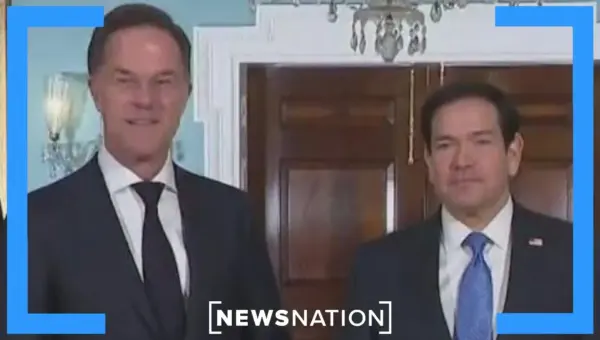
Iran Ceasefire Shakes Global Alliances, NATO Chief Visits White House
A fragile two-week ceasefire involving Iran is creating international uncertainty. Amidst questions about the deal's terms and potential violations, the NATO chief is visiting the White House. This visit aims to shore up U.S. commitment to the alliance, which has faced criticism.

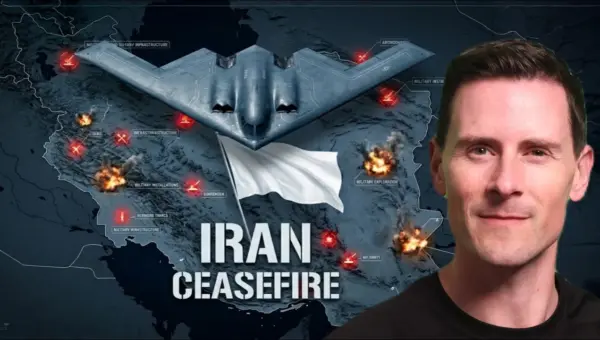
US-Iran Ceasefire Holds Amid Post-Strike Tensions
A two-week ceasefire has been declared in the U.S.-Iran conflict, marking day 39 of Operation Epic Fury. Despite the pause, Iran launched drone attacks on Gulf partners, prompting retaliatory strikes on Iranian oil infrastructure. U.S. forces conducted extensive operations targeting Iran's industrial base and leadership prior to the ceasefire.