Trump Seeks Iran Exit Strategy Amid Strained UK Ties
President Trump's administration appears to be reassessing its goals in Iran as regime change looks unlikely, prompting questions about an exit strategy. This shift occurs amid significant strain in the US-UK "special relationship," with diplomatic friction and concerns over the UK's defense preparedness coming to the fore.

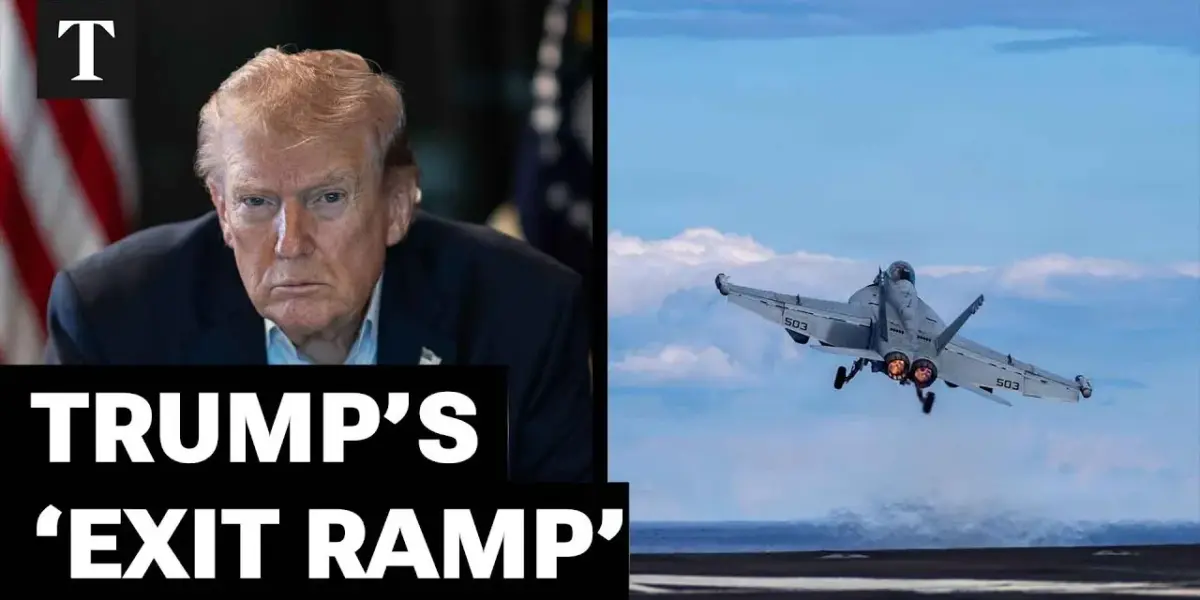
US President’s Shifting Stance on Iran and Diplomatic Fallout with UK Highlight Uncertainties
Washington appears to be grappling with the unlikelihood of achieving regime change in Iran, a potential shift in strategy that comes as President Donald Trump’s relationship with British Prime Minister Boris Johnson faces significant strain. The remarks, made from the Oval Office, suggest a dawning realization that the initial objectives in the escalating tensions may not be met, prompting questions about the administration’s long-term strategy and potential “exit ramps.” This evolving situation is occurring against a backdrop of increasing diplomatic friction between the US and UK, casting a shadow over traditional alliances and raising concerns about the UK’s defense preparedness.
Shifting Sands on Iran Policy
President Trump’s recent statements from the Oval Office indicate a potential reassessment of the administration’s goals regarding Iran. The initial push for regime change, coupled with military actions, appears to be encountering unforeseen challenges. As one observer noted, “It’s starting to dawn on Washington… that maybe there won’t be regime change and maybe the people who have been killed in the first wave of attacks will just be replaced.” This sentiment raises critical questions about the underlying objectives, especially since Iran’s nuclear program was reportedly “obliterated” in June, and sites for missile assembly have been targeted. The lack of clear objectives has led to speculation that the administration might be seeking a way out of the current confrontation.
“So what’s it carry on for?” the question is being asked, highlighting the uncertainty surrounding the ongoing actions. With senior members of the US administration offering conflicting answers when pressed on the matter, the possibility of President Trump looking for an “exit ramp quite soon” is becoming increasingly plausible. The rapid escalation of the crisis in the Gulf, involving numerous countries and complex dynamics, further complicates any potential withdrawal and underscores the need for a clear strategy.
Strained ‘Special Relationship’
The diplomatic tensions are further exacerbated by President Trump’s public criticism of Prime Minister Johnson, whom he dismissed as “no Churchill.” This personal jab comes at a time when the “special relationship” between the UK and the US, often touted as a cornerstone of their alliance, appears to be under considerable pressure. While Prime Minister Johnson defended the relationship at Prime Minister’s Questions (PMQs), emphasizing the joint efforts in protecting American lives in the Middle East, he also subtly differentiated between genuine cooperation and mere adherence to presidential pronouncements.
“British jets are shooting down drones and missiles to protect American lives in the Middle East on our joint bases. That is the special relationship in action,” Johnson stated, implicitly contrasting this with “hanging on to President Trump’s latest words.” This delicate balancing act underscores the difficulty of navigating a relationship with a president known for his unconventional and often undiplomatic approach.
Historical Context of US-UK Diplomatic Friction
Lord Ricketts, former UK ambassador to the US, provided historical context to these diplomatic challenges, noting that such falling outs are not unprecedented. He recalled instances like the tensions between Harold Wilson and LBJ over Vietnam troop deployment, John Major and Bill Clinton regarding Gerry Adams’ visa, and even Margaret Thatcher and Ronald Reagan over the invasion of Grenada. “Sooner or later the president will say something which is so out there and so sort of unacceptable that you have to respond, and that’s when he tends to lash out,” Lord Ricketts explained, characterizing Trump’s outburst as “pretty strong, quite brutal, quite wounding,” but “far from unprecedented.”
“The special relationship is not just about the relationship between the White House and Number 10… The bedrocks of it are the defense, security and intelligence relationships alongside the huge amount of cultural and people-to-people interchange and our shared history.”
Lord Ricketts, former UK ambassador to the US
Lord Ricketts emphasized that the true strength of the special relationship lies not solely in the personal rapport between leaders, but in the deep-seated defense, security, and intelligence cooperation, as well as cultural and people-to-people ties. “The relationship between the US and the UK will survive and be strong really whoever is in the White House and whoever is in Number 10,” he asserted, suggesting that the current rift, while significant, is likely to be temporary.
UK’s Vulnerability and Defense Concerns
Beyond the diplomatic sparring, the discussions also touched upon the UK’s own preparedness and defense capabilities. Lord Ricketts acknowledged that the world is increasingly unpredictable, largely due to the “most unpredictable, impulsive, and at times capricious American president at least in recent history.” He further stated, “You can’t blame [the world] for catching the world you know unawares quite often.”
However, he expressed concern that the UK is “woefully underinvested in terms of our defense capability.” As an example, he cited the delay in deploying a destroyer, HMS Dragon, to the Middle East to provide air cover. “This very expensive destroyer… is still sitting in Portsmouth and it’ll take about a week to get there, and who knows, the action may be over by then.” This situation highlights a systemic issue, with successive governments failing to adequately fund defense, despite clear global dangers. “This is a matter of generations, not a recent government’s fault… this is a matter of potentially of national survival,” Lord Ricketts warned.
Royal Visit Amidst Diplomatic Storm
The potential impact of the current diplomatic climate on upcoming high-profile events, such as King Charles III’s planned three-day visit to the US in April, was also discussed. While the visit could face postponement if the global crisis deepens, Lord Ricketts suggested it was more likely to proceed. He noted that the King is an “effective diplomat” who has previously established a good rapport with President Trump. The royal visit could, in fact, serve as an opportunity to help heal any rifts in the relationship.
Despite the potential awkwardness for King Charles, Lord Ricketts argued that the visit should be utilized, as the US remains a “great national asset” for the UK in terms of defense, intelligence, and trade. The King, he believes, would see value in undertaking the visit if possible, given its potential to foster positive relations.
Looking Ahead: Strategy and Preparedness
As the situation in Iran remains fluid and the US-UK diplomatic relationship navigates choppy waters, the focus will likely remain on President Trump’s evolving strategy and the UK’s ability to bolster its defense capabilities. The coming weeks may reveal whether a clear exit strategy from the Iran confrontation emerges and whether the UK can address its long-standing underinvestment in defense to better navigate an increasingly perilous global landscape. The King’s visit, if it proceeds, could offer a crucial moment for reaffirming and potentially mending the transatlantic alliance.
Source: Trump Might Be Searching For An ‘Exit Strategy’ Now That Regime Change In Iran Looks Unlikely (YouTube)

Related Articles
US War in Iran Escalates Amidst Domestic Economic Woes
As the war in Iran intensifies, the Trump administration faces mounting domestic economic challenges, including job losses and depleted retirement savings. Officials downplay the conflict's severity while critics highlight the human and financial costs.
US Sub Sinks Iranian Ship in Indian Ocean
A U.S. submarine has sunk an Iranian naval vessel in the Indian Ocean, marking the first such engagement since World War II. The incident occurred in international waters, with Sri Lanka's navy reporting the rescue of 32 individuals from the Iranian ship IRIS Dena. This event escalates regional tensions amidst ongoing retaliatory actions.

Rep. Garcia Blasts Commerce Sec. Lutnick Over Epstein Ties
Rep. Robert Garcia has sharply criticized Commerce Secretary Howard Lutnick over his Epstein ties, stating the committee was prepared to subpoena him. Garcia also called for Donald Trump's testimony and criticized Republican priorities in the House Oversight Committee's investigation.