Trump Seeks Iran Exit Amidst Global Confusion and Domestic Backlash
Insiders suggest President Trump is looking for a way out of the Iran conflict, seeking to frame past actions as victory. This comes amidst global confusion and domestic disapproval of his Iran policy, raising questions about strategic consistency and accountability.

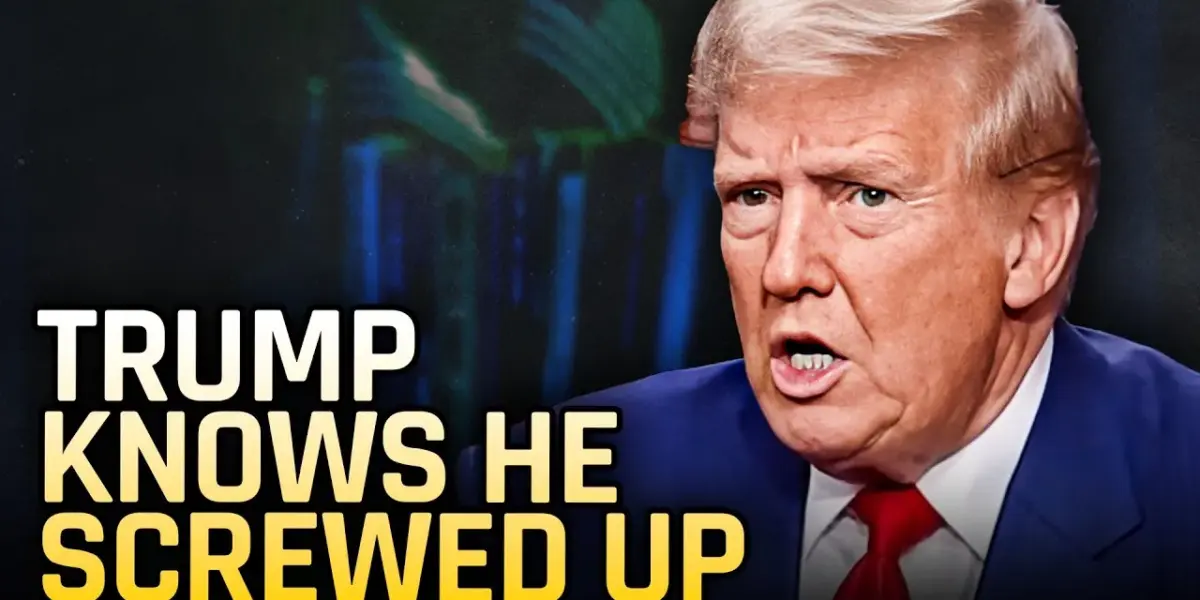
Trump’s Iran Conundrum: A Quest for Escape?
Whispers from within the White House suggest a potential shift in President Donald Trump’s approach to Iran. Contrary to his often hawkish public pronouncements, a growing number of insiders reportedly believe Trump is actively seeking a way to disengage from the escalating tensions with Tehran. This sentiment, as reported by The Wall Street Journal, paints a picture of a president looking to extricate the U.S. from a precarious situation, potentially by framing past actions as a definitive victory and paving the way for withdrawal.
The ‘We Won’ Narrative and the Desire for Departure
According to Josh Dozy, a political investigations reporter for The Wall Street Journal, sources close to the administration indicate that Trump lacks an appetite for a prolonged conflict. The narrative being cultivated, Dozy suggests, is one of achieved objectives: “We’ve done this, we’ve done that, now it’s time to leave.” This framing appears to be a deliberate attempt to manage perceptions and create an exit strategy, allowing the administration to claim success regardless of the ongoing realities on the ground.
However, the sustainability of such a strategy is questionable. Dozy highlights a critical challenge: the limits of presidential control. Even if Trump declares a withdrawal, the actions of Iran—such as continued missile or drone attacks—could force his hand, potentially drawing the U.S. back into a conflict it sought to abandon. The inherent unpredictability of international relations and the actions of adversarial states pose a significant hurdle to any clean disengagement.
Domestic and International Discontent
The internal reports of Trump’s desire to exit Iran are juxtaposed with a series of public statements and actions that seem to contradict this alleged inclination. Trump has repeatedly asserted to audiences and Republican lawmakers that the U.S. has “won” and is “done here.” Yet, these pronouncements often clash with his more aggressive rhetoric on platforms like Truth Social, where he issues warnings about the Strait of Hormuz and potential attacks. This duality creates a confusing and potentially destabilizing message for both allies and adversaries.
The international community appears equally perplexed. Reports indicate that G7 leaders, during a recent phone call, were left “underwhelmed and quote confused” by Trump’s Iran strategy. This confusion extends to American voters, who, according to the transcript, overwhelmingly disapprove of the current situation. The confluence of domestic disapproval and international bewilderment suggests that Trump’s Iran policy, whatever its intended outcome, is failing to garner support or clarity.
“He doesn’t have an appetite for a long-term war. At least according to my sources that I’ve talked to. He’s looking for ways to sort of message we’ve done this, we’ve done that, now it’s time to leave.” – Josh Dozy, Wall Street Journal
Historical Context and the Iran Nuclear Deal
The current predicament with Iran is deeply rooted in past decisions, most notably Trump’s withdrawal from the Joint Comprehensive Plan of Action (JCPOA), commonly known as the Iran nuclear deal, in 2018. This multilateral agreement, negotiated under the Obama administration, aimed to curb Iran’s nuclear program in exchange for sanctions relief. Trump’s decision to unilaterally withdraw, despite objections from European allies, is seen by critics as a pivotal moment that escalated tensions and removed a key diplomatic framework.
The transcript points out a critical irony: Trump’s administration often cited Iran’s potential pursuit of nuclear weapons as a justification for its aggressive stance. However, the JCPOA was designed precisely to prevent this. By abandoning the deal, Trump’s administration effectively removed the international agreement that constrained Iran’s nuclear activities. Furthermore, the transcript highlights that even if Iran were pursuing a nuclear weapon, the absence of the JCPOA meant there was no longer a specific agreement with the U.S. prohibiting such actions.
Critics argue that Trump’s impulsive decision-making, characterized as “sociopathic” in the transcript, has led to a self-inflicted crisis. The argument is that Trump, driven by a desire to undo his predecessor’s achievements and perhaps influenced by allies like Netanyahu and Saudi leaders, initiated a path of confrontation without a clear long-term strategy. The current desire to exit, therefore, is not a sign of strategic success but a reaction to the negative consequences of his own policies.
The Impulsive Leader and the Unforeseen Consequences
The analysis presented in the transcript suggests that Trump’s leadership style is characterized by impulsivity and a lack of foresight. This approach, it is argued, leads to the creation of complex problems with unforeseen consequences. The current situation in Iran is presented as a prime example: a policy initiated without thorough consideration of its long-term ramifications, now resulting in a quagmire that the president wishes to escape.
The transcript posits that Trump’s focus is primarily on how events affect him personally, particularly his poll numbers and political standing. This self-centered perspective, if accurate, would explain the desire to quickly disengage from a situation that has become politically damaging, regardless of the broader geopolitical implications or the responsibility for initiating the crisis. The call to “slink away in the middle of the night and act like none of this ever happened” reflects a sentiment that Trump wishes to avoid accountability for the situation he is perceived to have created.
Why This Matters
The reported desire of the Trump administration to withdraw from Iran, coupled with the confusion and disapproval surrounding its policies, has significant implications. Firstly, it highlights the inherent instability of U.S. foreign policy when driven by short-term political calculations rather than long-term strategic objectives. The constant shifts in approach can undermine American credibility on the global stage and create opportunities for adversaries.
Secondly, the situation underscores the challenges of de-escalation in volatile regions. If the U.S. seeks to withdraw, the manner of its departure is crucial. A hasty or poorly managed exit could leave a vacuum, potentially leading to further instability or emboldening regional actors. The legacy of the Iran nuclear deal’s dismantling serves as a stark reminder of how quickly diplomatic progress can be reversed and how difficult it can be to rebuild trust.
Implications, Trends, and Future Outlook
The trend suggested by these insider accounts is a potential pivot towards de-escalation, albeit one driven by political expediency rather than a comprehensive foreign policy doctrine. If Trump does indeed seek an exit, the international community will be watching closely to see how this unfolds. Will it be a genuine attempt to reduce tensions, or a tactical retreat that leaves underlying issues unresolved?
The future outlook remains uncertain. The conflicting signals—public declarations of victory versus alleged private desires for withdrawal, aggressive rhetoric versus potential disengagement—create a volatile environment. The ability of the U.S. to manage its relationship with Iran, maintain stability in the Middle East, and uphold its international commitments will depend on a clearer, more consistent, and strategically grounded approach. The current narrative, however, suggests a presidency grappling with the consequences of its own actions and searching for an escape hatch.
Source: Insiders Say Trump Is Already Trying To Chicken Out Of Iran (YouTube)

Related Articles

Stocks Ignore War Risks, Focus on “Taco Moments”
Stock markets appear to be overlooking the severe supply chain risks stemming from the Iran conflict, focusing instead on potential diplomatic de-escalations. While the S&P 500 shows resilience, bond and commodity markets signal deep concern over disruptions to critical resources like LNG, helium, and fertilizers.

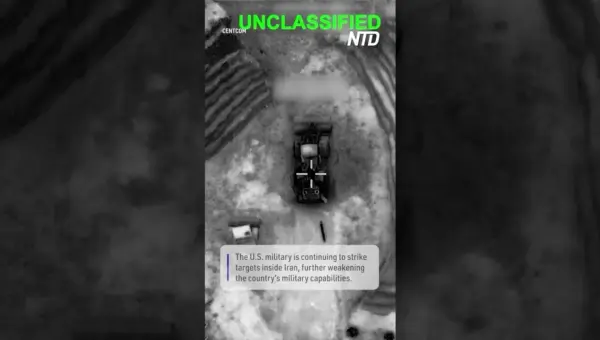
US Strikes Cripple Iran’s Military Might, CENTCOM Reports
U.S. Central Command reports ongoing strikes inside Iran are significantly weakening its military power. This direct action aims to reshape regional security dynamics, but carries risks of escalation. The long-term impact depends on Iran's response and ability to adapt.

U.S. Iran Tensions Rise Amid Shifting Alliances
Rising tensions between the U.S. and Iran are creating a volatile geopolitical situation. With conflicting signals on de-escalation and potential shifts in alliances like NATO and U.S.-Israel relations, the path forward remains uncertain. The global economy and regional stability hang in the balance.