Trump Seeks Iran Exit Amid Market Fears, Diplomatic Hurdles
President Trump is reportedly seeking an "off-ramp" from the conflict with Iran, driven by fears of market instability and the upcoming midterm elections. Diplomatic efforts are underway, but experts express skepticism about reaching a swift agreement, citing Iran's determination and the complex geopolitical landscape. The situation highlights significant risks, including potential nuclear proliferation.

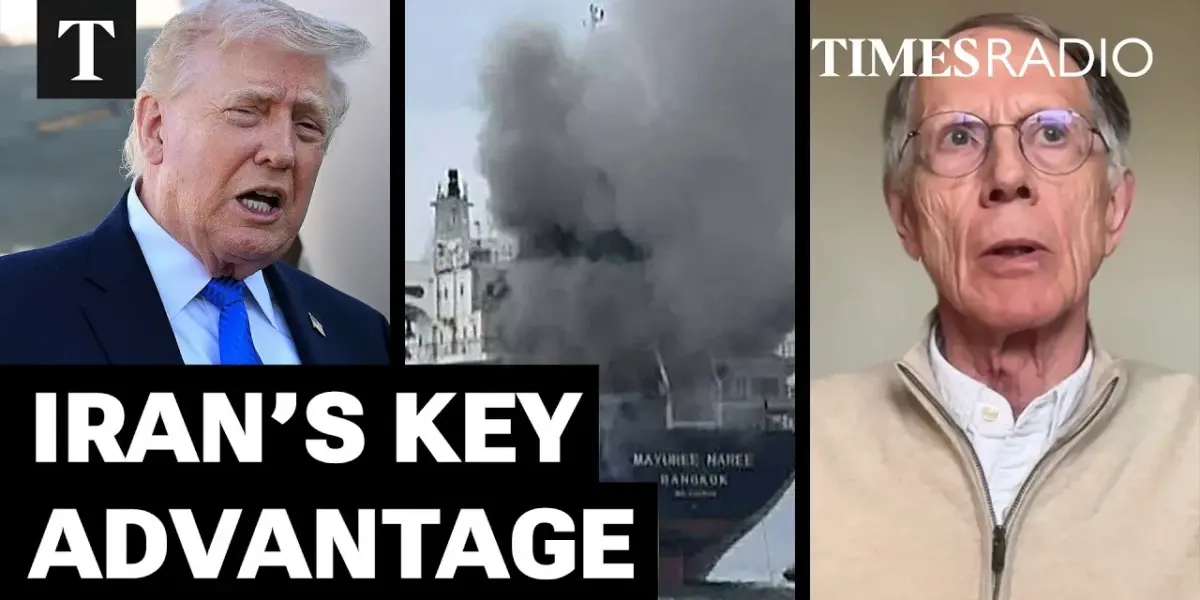
Trump Faces Pressure on Iran Conflict as Markets React
President Trump appears to be seeking an “off-ramp” from the escalating conflict with Iran, driven by concerns over market instability and the upcoming midterm elections. The ongoing tensions have rattled financial markets, with stock and energy prices showing significant fluctuations. This economic pressure is a major concern for Trump, as the midterms are expected to hinge on issues of affordability for voters.
Diplomatic Efforts and Iranian Resistance
Reports suggest that Trump’s envoy, Steve Wickoff, has traveled to Pakistan for talks aimed at finding a path forward with Iran. However, the success of these diplomatic efforts remains uncertain, as Iran’s willingness to engage in negotiations is unclear. Sir David Manning, a diplomat with extensive experience, including serving as ambassador to the United States during the Iraq War, expressed skepticism about the current talks. He noted that Iran has a clear objective – the survival of its regime – while suggesting Trump’s war aims have been less defined.
“I think Trump makes it up as he goes along. Uh, I don’t think he’s ever had really clear war aims.”
Sir David Manning
Underestimating Iran’s Strategic Advantage
A key factor in the conflict, according to Sir David, is the Trump administration’s underestimation of Iran’s strategic capabilities. He highlighted the Strait of Hormuz as Iran’s “ace in the pack,” effectively giving them control over a critical global energy chokepoint. Iran’s capacity to disrupt oil shipments through this narrow waterway poses a significant threat to the global economy.
Market Volatility and Election Concerns
The inflationary impact of the Iran conflict is a major worry for President Trump. Rising energy costs could hurt Republican chances in the midterm elections, which are expected to focus heavily on economic issues. Instead of seeing interest rates fall as hoped, the situation suggests they may need to increase, further burdening American consumers with higher living costs.
Is it a Bluff or a Genuine Exit Strategy?
The current diplomatic overtures raise questions about Trump’s true intentions. Some speculate that the move is a feint, intended to buy time while military assets are repositioned. There’s even been talk of potential actions, such as occupying islands in the Gulf or targeting energy centers. However, Sir David Manning finds these scenarios unlikely, given the relatively small troop numbers involved and Iran’s clear understanding of the existential stakes.
“The thing that really frightens Trump is the markets and I think over the weekend he saw what was happening to stock markets and energy markets and so he’s now looking around for what you what you describe as an offramp.”
Sir David Manning
Complexities of Negotiation with Iran
Reaching an agreement between Iran, the United States, and Israel presents significant challenges. Iran faces an existential threat from Israel’s desire to see its government change. This raises questions about the guarantees Iran would receive to prevent future attacks, even if a deal is struck with the U.S.
Sir David expressed doubt about the feasibility of a deal, especially given Iran’s long-standing preparation for such confrontations. Iran has diversified its power structures and is deeply committed to its survival. The idea of simply replacing the regime, as seen in Venezuela, is not a viable option in Iran.
Gulf States’ Concerns and Proliferation Risks
The Gulf states are reportedly frustrated with both Iran and the Trump administration. They have been seeking stability and economic growth, aiming to become safe havens for investment and tourism. Iran’s actions have disrupted these efforts, while Trump’s policies are seen as creating regional instability.
A significant concern is the potential for nuclear proliferation. If regional powers feel their security is not guaranteed by superpowers, they may pursue their own nuclear capabilities. This could lead to a more dangerous future, with both Iran and other nations seeking nuclear weapons.
Looking Ahead
The coming weeks will be crucial in determining whether diplomatic channels can de-escalate the current tensions. All eyes will be on the outcome of discussions in Pakistan and any further signals from Washington and Tehran. The broader implications for regional stability and the global economy, including the risk of proliferation, remain significant concerns.
Source: Trump Underestimated Iran’s ‘Ace In The Pack’ As Markets Continue To Rattle Him (YouTube)

Related Articles

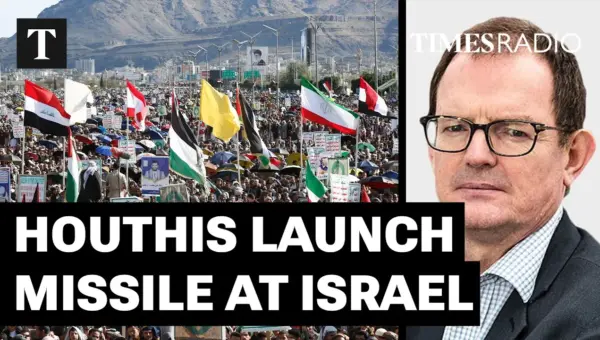
Houthis Fire Missile at Israel, Iran’s Guard Takes Center Stage
Yemen's Houthi group has fired a missile at Israel, signaling a potential escalation of the regional conflict. Meanwhile, Iran's powerful Islamic Revolutionary Guard Corps (IRGC) appears to be consolidating its control over the country's leadership following reported strikes. This shift places hardline figures at the forefront of decision-making.

Stocks Ignore War Risks, Focus on “Taco Moments”
Stock markets appear to be overlooking the severe supply chain risks stemming from the Iran conflict, focusing instead on potential diplomatic de-escalations. While the S&P 500 shows resilience, bond and commodity markets signal deep concern over disruptions to critical resources like LNG, helium, and fertilizers.

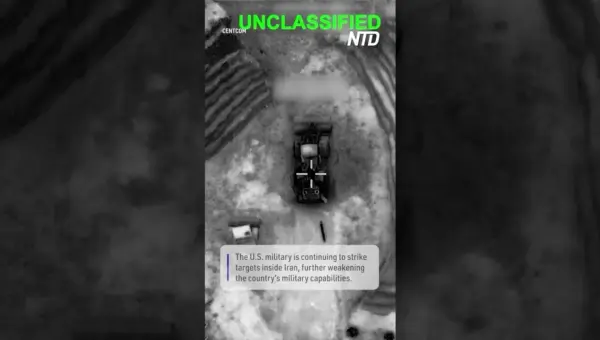
US Strikes Cripple Iran’s Military Might, CENTCOM Reports
U.S. Central Command reports ongoing strikes inside Iran are significantly weakening its military power. This direct action aims to reshape regional security dynamics, but carries risks of escalation. The long-term impact depends on Iran's response and ability to adapt.