Trump Seeks Iran Deal Exit Amid Escalating Tensions
President Trump is reportedly seeking a diplomatic offramp with Iran amidst escalating tensions and a significant military buildup in the region. Despite U.S. actions, Iran's "mosaic strategy" of survival has proven resilient, complicating de-escalation efforts and keeping oil prices high.

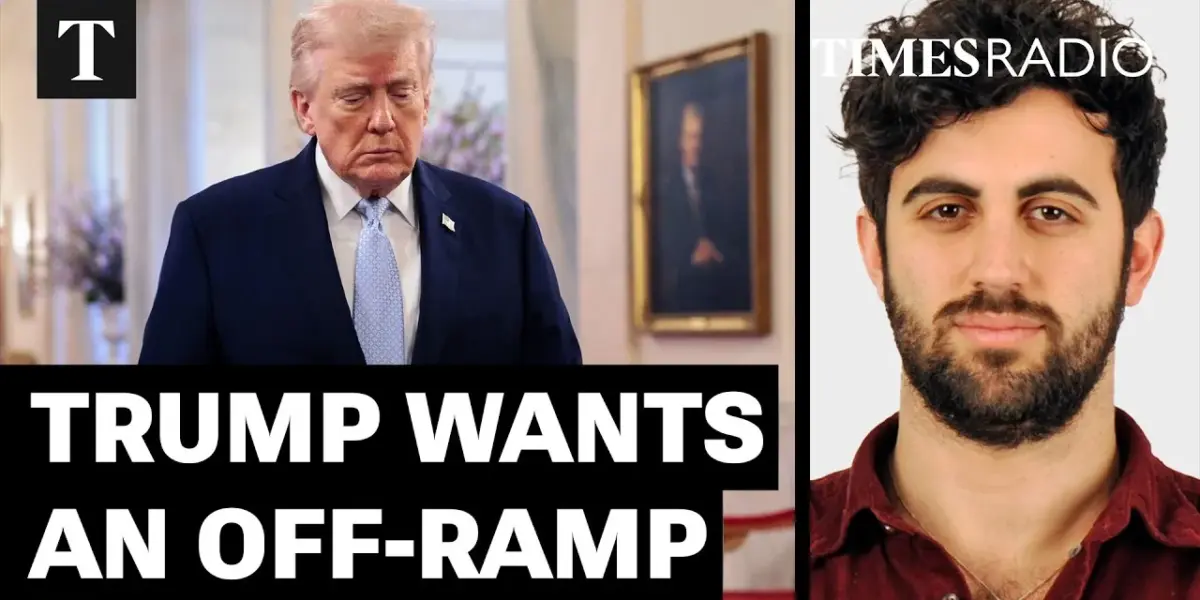
US President Trump Appears to Seek De-escalation with Iran
President Donald Trump is reportedly looking for a way to ease tensions with Iran, despite escalating military posturing and rhetoric. His administration has signaled a desire for a diplomatic solution, even as the Strait of Hormuz remains a flashpoint and oil prices surge. This complex situation leaves many questioning the true intentions and potential outcomes of the ongoing standoff.
Conflicting Signals on Diplomacy and Military Action
Recent statements from President Trump have presented a confusing picture of U.S. policy toward Iran. He has suggested a desire for joint U.S.-Iranian control over the Strait of Hormuz and claimed significant progress toward a deal. These remarks led to the postponement of potential strikes on Iranian power plants. However, no formal talks have been confirmed, and Iran denies any ongoing negotiations.
Meanwhile, strikes in Iran continue, and the Strait of Hormuz remains effectively closed. Oil prices, which briefly dipped, have climbed back above $100 a barrel, reflecting the market’s uncertainty and concern over potential supply disruptions.
Ambiguity and “Trumpian” Language
Josh Glancy, associate editor of The Sunday Times, described President Trump’s approach as exhibiting “delightfully Trumpian ambiguity.” He noted that while Trump’s words are often unconventional, they can sometimes offer surprisingly useful ways of describing complex situations. This characteristic ambiguity makes it difficult to pinpoint the exact state of affairs between the U.S. and Iran.
“You can say what you like about the guy, but he does come up with sort of bizarrely idiosyncratic yet useful ways of describing the world,” Glancy observed.
Glancy elaborated on this, suggesting that Trump’s statements, while often cliches in concept, are frequently phrased in unique ways that have never been uttered before. This linguistic style contributes to the overall difficulty in interpreting his exact goals and strategies.
Seeking an “Offramp” Amidst Military Buildup
Despite the confusing signals, Glancy believes President Trump is likely seeking some form of “offramp” from the current confrontation. This is suggested by discussions of a potential deal, post-conflict arrangements, and the dispatch of key figures like Steve Bannon and Jared Kushner to Pakistan. These actions indicate a search for a diplomatic exit strategy.
However, this pursuit of de-escalation is happening concurrently with a significant military buildup. Thousands of Marines and American naval assets are heading to the region, raising the possibility of military operations. Glancy noted that these deployments could serve as threats or leverage but underscore the “all cars are on the table” reality of the situation.
Iran’s Resilience and “Mosaic Strategy”
Glancy pointed out that even after extensive U.S. military action, which he claims has caused significant damage to Iran’s infrastructure, the Iranian regime appears to be in a strong position. He highlighted the “asymmetry” in objectives between the U.S. and Iran.
While the U.S. aims for decisive victories, which often require ground forces that President Trump is reluctant to deploy, Iran’s primary goal is survival. Glancy explained Iran’s “mosaic strategy,” where it can absorb considerable damage and still achieve its objective of persisting. This strategy has proven effective in the face of American military pressure.
Unforeseen Consequences and Future Uncertainty
The conflict has also had unforeseen consequences, particularly the impact on Gulf States and the fragility of Middle Eastern infrastructure. The “shock factor” of these attacks and the resulting economic disruption were not adequately factored into President Trump’s calculations, Glancy suggested. This chaos has made Iran, if not stronger, at least more resilient.
The “mosaic strategy” also makes it difficult for Iran to reach a definitive end to hostilities. Glancy noted that if leadership is continually targeted, finding a clear counterpart for a deal becomes a significant challenge, a point Trump himself has acknowledged. The leverage Iran holds over the Strait of Hormuz means its role in ending the fighting cannot be ignored.
Looking Ahead
The situation remains fluid, with President Trump appearing to seek a diplomatic resolution while military actions and Iranian resilience complicate the path forward. The coming days will be crucial in determining whether de-escalation efforts succeed or if the “genie is out of the bottle,” leading to further conflict.
Source: Trump Is Looking For A Way Out But 'The Genie Is Out The Bottle' On Iran | Josh Glancy (YouTube)

Related Articles

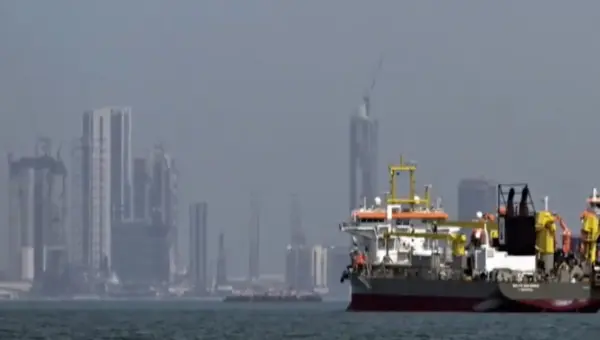
Iran Blocks China Ships, Exposing Beijing’s Weak Grip
Iran's recent decision to block Chinese ships at the Strait of Hormuz is exposing the limits of Beijing's influence in the Middle East. This action is causing delays and cancellations for Chinese manufacturers, turning a perceived geopolitical win into an economic strain.
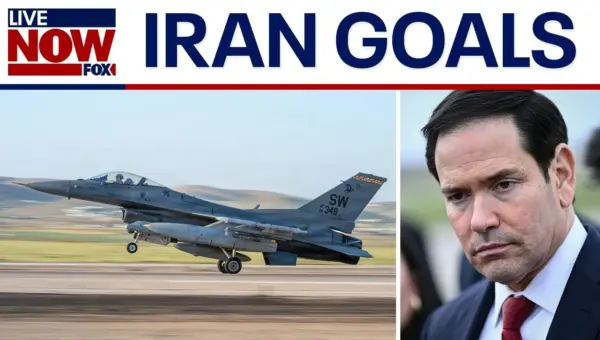
Rubio: US Can Achieve Iran War Goals Without Troops
Senator Marco Rubio outlined a strategy to counter Iran without deploying U.S. ground troops, focusing on weakening the regime and enhancing maritime security. He also criticized Cuba's economic system and expressed concerns about West Bank violence.

Israel Escalates Iran Strikes, Warns of Wider War
Israel has launched significant strikes inside Iran following continued missile fire, warning of further escalation. The conflict risks wider regional instability and economic disruption, especially concerning the Strait of Hormuz.