Trump Seeks Allies for Strait Patrol Amidst Iran Tensions
President Trump is seeking allied support for patrols in the Strait of Hormuz amidst rising oil prices and conflicting reports on Iran ceasefire talks. Military leaders express concerns about the feasibility of the mission, while political analysts question the administration's diplomatic strategy and its long-term implications.

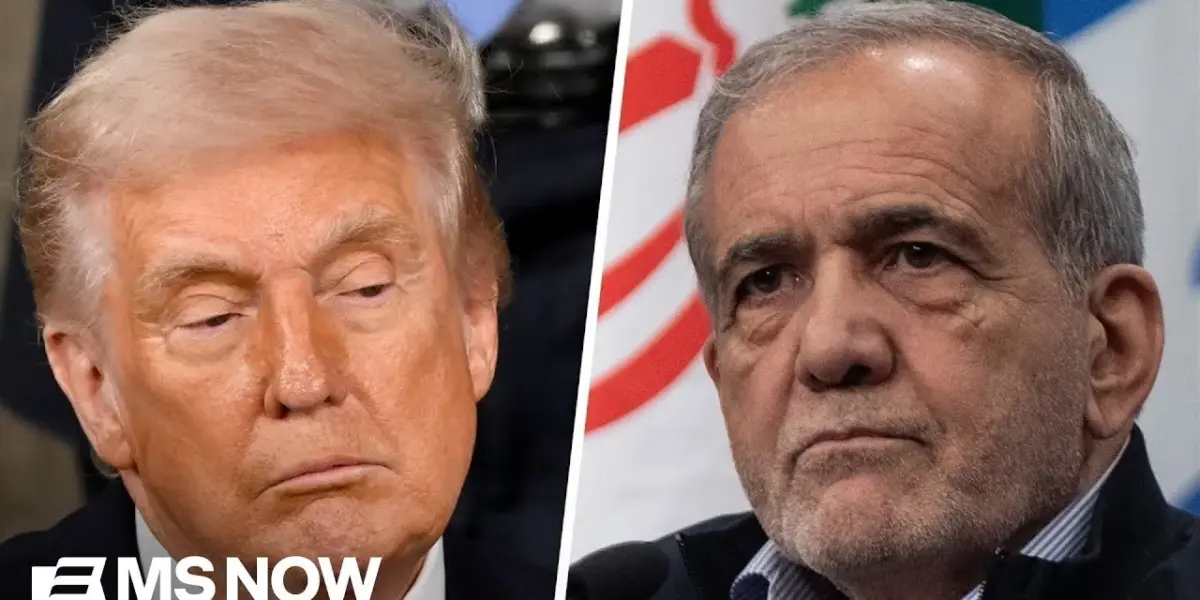
Trump Appeals for Allied Support in Strait of Hormuz Patrols
President Donald Trump is reportedly intensifying pressure on allies to join a U.S.-led military initiative to patrol oil tanker routes through the Strait of Hormuz, a move analysts suggest is driven by rising oil prices and the looming midterm elections. The President has publicly stated that the U.S. Navy will escort ships through the vital waterway, yet concrete actions have yet to materialize, leading to questions about the administration’s strategy and capabilities.
Military Concerns Over Strait of Hormuz Mission
The feasibility of securing the Strait of Hormuz has been met with significant military skepticism. According to reports, the U.S. Navy’s current force structure in the region may be insufficient to simultaneously protect its fleet and escort commercial vessels. Navy officers have reportedly warned that Iranian drones and anti-ship missiles could transform the strait into a “kill box” for American sailors. Retired Army Major General Dana Pittard echoed these concerns, stating that the existing naval forces lack the necessary structure to undertake such a mission effectively, which he believes is why President Trump is seeking assistance from other nations.
Allied Support: A “Tall Order” Without Prior Diplomacy
Veteran Republican political consultant Stuart Stevens criticized the President’s approach, characterizing it as a lack of planning. “The traditional way to do this, I think, is to line up allies before you go to war and not to find yourself in a war and overwhelmed and then trying to get allies by badgering them,” Stevens commented. General Pittard agreed, highlighting historical precedents where broad coalitions were established before military action. “In the prior two Gulf Wars… we had 42 nations as a part of that coalition. In 2003, with the invasion of Iraq, we had 30 nations behind us,” Pittard noted. He added that for the current operation, “we have one, and that’s Israel. And we didn’t ask and talk to our allies, even the ones in the Gulf prior to this.” The General concluded that asking for escorts now is a “tall order,” suggesting that prior diplomatic engagement would have been more effective.
Conflicting Accounts on Iran Ceasefire Negotiations
Adding to the complex geopolitical landscape, conflicting statements have emerged regarding potential ceasefire negotiations with Iran. President Trump told NBC News that Iran is ready to negotiate a ceasefire, but he is not prepared to finalize a deal. This assertion comes despite reports that he had previously rejected efforts to initiate such talks. However, Iran’s Foreign Minister has denied that Iran ever requested ceasefire negotiations. Jeff Mason, Bloomberg White House correspondent, suggested that the President’s stance may stem from a desire to project a long-term commitment to the conflict and a lack of perceived progress towards his initial demands, which included “complete surrender” and a role in deciding Iran’s leadership.
Political Ramifications and Future Outlook
The escalating tensions and the perceived lack of a clear strategy are placing President Trump in a politically precarious position. With rising oil prices, public concern over American casualties, and financial market volatility, the administration faces significant challenges. Stuart Stevens argued that the current situation is already dividing the President’s base, particularly concerning the departure from a platform of avoiding foreign wars. He suggested that Trump’s inability to admit mistakes makes it difficult for the Republican party to navigate the crisis. The rhetoric from some figures, such as Pete Hegseth, regarding a “no quarter” approach to the conflict has also drawn criticism, with concerns raised about potential war crimes and the erosion of adherence to the laws of war. General Pittard emphasized that war is a “contest of wills” and that political aims must be clearly defined and achieved for the conflict to conclude successfully, warning of long-term reverberations if the situation is not handled properly.
As the situation unfolds, observers will be watching closely to see if President Trump can rally international support for his proposed patrols, how the conflicting narratives surrounding Iran negotiations are resolved, and whether the administration can articulate a clear and achievable endgame for the ongoing conflict.
Source: Trump claims Iran wants a ceasefire, Iran denies asking for new negotiations (YouTube)

Related Articles


Trump’s Iran Claims: Shocked or Deluded by War Games?
Donald Trump claimed surprise over Iran's actions in the Strait of Hormuz, but experts suggest retaliation was inevitable. Military war games likely predicted such a scenario, raising questions about the advice given to the President.

Israel’s Strategy Against Iran Revealed
Israel's strategy to counter Iran's nuclear ambitions and regional influence centers on containment, utilizing a mix of covert military actions, intelligence operations, and diplomatic pressure. Analysts highlight the growing urgency due to Iran's nuclear advancements, while also noting the persistent risk of escalation in the volatile Middle East.

Houthis Fire Missile at Israel, Iran’s Guard Takes Center Stage
Yemen's Houthi group has fired a missile at Israel, signaling a potential escalation of the regional conflict. Meanwhile, Iran's powerful Islamic Revolutionary Guard Corps (IRGC) appears to be consolidating its control over the country's leadership following reported strikes. This shift places hardline figures at the forefront of decision-making.