Trump Seals Iran Ceasefire, Targets Nuclear Deal
President Trump has brokered a two-week ceasefire with Iran, averting a potential conflict over the Strait of Hormuz. The deal includes discussions on sanctions relief and nuclear non-proliferation, while new tariffs loom for nations supplying Iran with military weapons. Domestic policy debates over DHS funding continue.

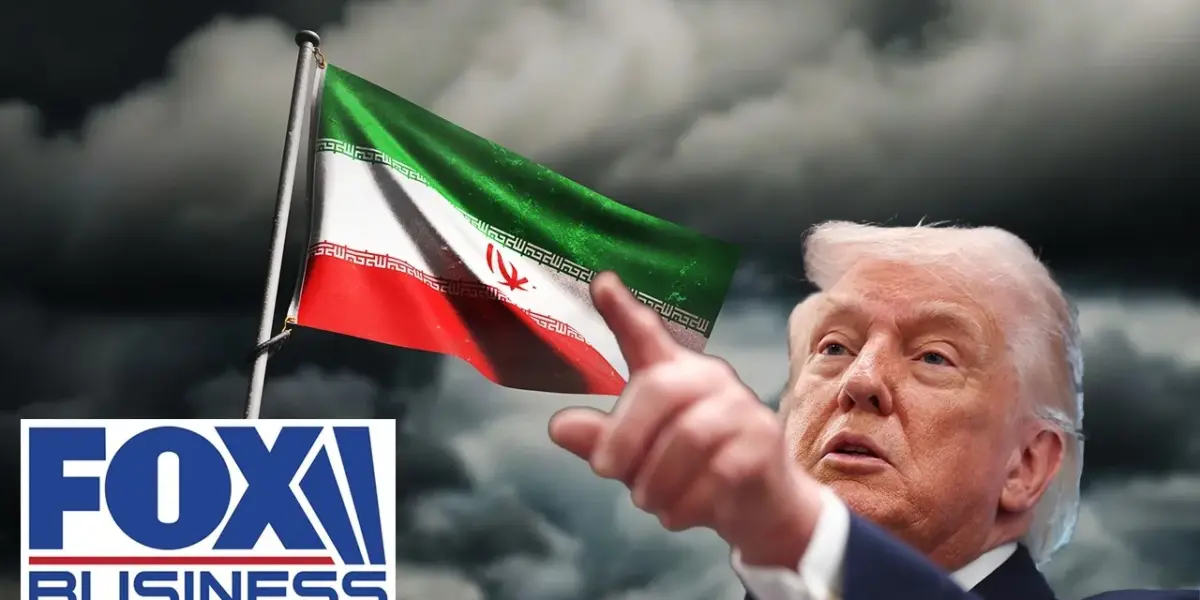
Trump Secures Iran Ceasefire, Signals New Nuclear Deal
In a dramatic turn of events, President Trump announced a two-week ceasefire agreement with Iran just hours before a critical deadline. The deal averts potential military action, including the closure of the vital Strait of Hormuz. President Trump stated on social media that it was a “big day for world peace” and that the U.S. would assist Iran with a traffic buildup in the Strait.
Leading up to this agreement, Iranian leadership had instructed civilians to form human chains around power plants and bridges, areas the President had previously threatened. Kuwait’s Ministry urged its citizens to remain indoors due to intense Iranian attacks over several hours.
Regime Change and Nuclear Aspirations
Congressman Mike Lawler discussed the situation, noting President Trump’s statement about a “very productive regime change” in Iran. He highlighted that the U.S. is working with Iran to ensure no uranium enrichment and to remove “deeply buried” nuclear materials. The President also indicated that tariff and sanctions relief would be discussed, with many points already agreed upon.
“The United States will work closely with Iran which we have determined has gone through what will be a very productive regime change. There will be no enrichment of uranium and the United States will working with Iran dig up and remove all of the deeply buried B2 bombers, nuclear dust it is now and has been under very exacting satellite surveillance Space Force, writes in parentheses. Nothing has been touched from the date of attack. We are and will be talking tariff and sanctions relief with Iran. Many of the 15 points have already been agreed to.”
Lawler explained that after a five-week military operation that eliminated much of Iran’s leadership, destroyed ballistic missile capabilities, and decimated its naval fleet, the remaining Iranian regime understood the need to negotiate. He characterized the President’s rhetoric as forcing a “capitulation” by the regime, leading to cautious optimism.
Trust but Verify: The Path Forward
The immediate focus is on the two-week ceasefire and ongoing negotiations, particularly regarding the removal of enriched uranium. Lawler emphasized the importance of this for national security, urging bipartisan support to ensure Iran never possesses nuclear weapons and to end its funding of terrorism. He criticized some Democrats for allowing their opposition to President Trump to overshadow this critical objective.
When asked how the U.S. will ensure Iran stops supporting terrorist proxies like Hezbollah, Lawler pointed to the illicit oil trade between China and Iran. He stated that any sanctions relief would be tied to Iran ending its financing of terrorism. This will require strict enforcement, working with allies and even adversaries.
Political Divisions Amidst Foreign Policy Shifts
Lawler expressed dismay at the political opposition President Trump faced during these critical negotiations. He noted that over 60 Democrats called for Trump’s removal under the 25th Amendment, while others suggested defunding the Iron Dome, Israel’s missile defense system, even as Iran was launching missiles. Lawler argued that the traditional State Department approach had failed for 47 years and that President Trump’s direct style was necessary to confront a regime bent on obtaining nuclear weapons.
Domestic Policy: DHS Funding Stalemate
The discussion also touched upon the prolonged shutdown of the Department of Homeland Security (DHS), which has lasted 54 days. Lawler criticized Democrats for “shutting down” the department for 97 days since October 1st, especially given current hostilities in the Middle East and increased terrorist threats in the U.S. He blamed the shutdown on Democrats’ unwillingness to enforce immigration laws, citing incidents like the one in Minneapolis where a tragedy occurred partly due to sanctuary jurisdictions refusing to cooperate with federal immigration enforcement.
Lawler highlighted the murder of an 18-year-old constituent by an undocumented immigrant in Chicago as an example of the failures of current immigration policies. He argued that if Democrats want to negotiate reforms, they must also agree to end sanctuary jurisdictions and fully fund the Department of Homeland Security immediately.
Economic Pressure: Tariffs on Military Suppliers
In a separate statement on Truth Social, President Trump declared that any country supplying military weapons to Iran would face immediate 50% tariffs on all goods sold to the United States. This move signals a strong stance against complicity in arming Iran, with no exceptions or exemptions.
Market Impact
The agreement on a ceasefire and potential sanctions relief could lead to a decrease in oil prices due to the easing of tensions in the Strait of Hormuz, a critical chokepoint for global oil transport. However, the implementation of new tariffs on countries supplying Iran could create new trade disruptions and volatility in specific sectors. Investors will be closely watching the progress of negotiations regarding uranium enrichment and the cessation of terrorist financing, as these will significantly impact regional stability and global security. The ongoing debate over DHS funding highlights domestic policy challenges that could affect various industries reliant on stable government operations.
What Investors Should Know
Investors should monitor the unfolding geopolitical situation in the Middle East, as it directly impacts energy markets and global trade. The effectiveness of the U.S. in verifying Iran’s compliance with the ceasefire and nuclear non-proliferation will be key. Additionally, the imposition of new tariffs could affect companies with significant trade exposure to the targeted countries. Domestically, the resolution of the DHS funding issue is important for sectors reliant on government services and security. The focus on critical minerals and potential new U.S. projects suggests opportunities in resource extraction and related industries.
Source: REGIME TURNING POINT: Trump signals SEISMIC shift inside Iran leadership (YouTube)

Related Articles

Trump Faces Legal Battles, Iran Tensions Rise: Weekly News Recap
Former President Donald Trump's hush-money trial is set to begin on April 15th in New York, marking a historic moment as a former U.S. leader faces criminal charges. Meanwhile, escalating tensions in the Middle East, following a deadly strike on Iran's consulate in Syria, have raised concerns about regional conflict.

Trump’s Iran Rhetoric Sparks Removal Calls, But Will They Stick?
Calls for Donald Trump's removal via the 25th Amendment have intensified following his strong rhetoric towards Iran. While a ceasefire deal may temporarily ease pressure, broader demands for accountability and concerns over government budget plans add complexity to the political climate.
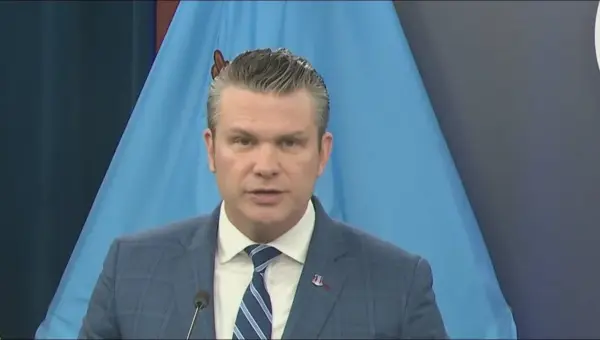
US Declares Victory Over Iran, Eyes Regime Change
The U.S. Pentagon declared a major victory over Iran following "Operation Epic Fury," crippling Iran's military capabilities and securing a ceasefire. Discussions are now focused on sanctions relief and preventing Iran's nuclear program.