Trump Scorches Allies: Loyalty Demands Turn Sour
Donald Trump has publicly denounced former allies like Tucker Carlson and Candace Owens, accusing them of disloyalty and low intelligence. This feud, sparked by criticism of Trump's foreign policy rhetoric, reveals the high cost of dissent within his political movement. It raises questions about loyalty versus principle and the future of Trumpism.

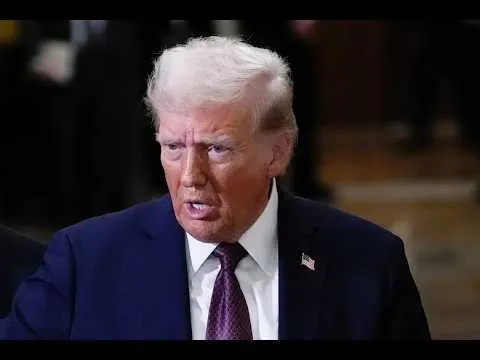
Trump Unleashes Fury on Former Allies
Former President Donald Trump recently launched a blistering attack on some of his most prominent supporters, including Tucker Carlson, Megyn Kelly, Candace Owens, and Alex Jones. This public outburst, shared on his Truth Social platform, suggests a significant rift has opened between Trump and figures who have long championed his cause.
Trump’s message was harsh, questioning the intelligence and loyalty of these individuals. He accused them of having “low IQs” and being “stupid people.” He claimed they were “nut jobs” and “troublemakers” seeking “free and cheap publicity” through their podcasts, which he dismissed as “third-rate.” He also stated their views were the opposite of the MAGA movement, which he believes led him to a “landslide” presidential victory.
The former president specifically targeted Carlson, calling him a “broken man” who couldn’t finish college and was fired from Fox News. He criticized Megyn Kelly for asking the “Rosie O’Donnell question” and Candace Owens for allegedly calling the First Lady of France a man, stating the First Lady was far more beautiful. Trump also attacked Alex Jones, calling him “bankrupt” and deserving of losing his fortune for his comments about the Sandy Hook shooting victims.
Trump declared these individuals were “losers” and not true MAGA supporters. He asserted that mainstream news outlets like CNN and The New York Times were now giving them positive attention, which he saw as a sign of their irrelevance. He claimed he could easily win them back to his side but chose not to, stating he was too busy with “world and country affairs.”
The Spark: A Call to Halt Military Action
This public feud appears to have been triggered by comments made by some of these former allies regarding potential military action. Specifically, Tucker Carlson and others expressed strong opposition to the idea of using weapons of mass destruction against Iran. They questioned Trump’s judgment and even suggested invoking the 25th Amendment to remove him from power.
“If you work in the White House or in the US military, now it’s time to say no. Absolutely not. And say it directly to the president, no. In case you’re thinking about using some weapon of mass destruction against the population of Iran… This was last month. Those people who are in direct contact with the president need to say no.”
Candace Owens also tweeted, calling for the 25th Amendment to be invoked, labeling Trump a “genocidal lunatic” and urging Congress and the military to intervene.
The Principle of Loyalty in Trump’s World
This dramatic falling out highlights a core principle within Donald Trump’s political sphere: unwavering loyalty. The transcript suggests that for Trump, the most important thing is allegiance to him personally, not necessarily to the policies or promises he made during his campaigns.
History shows many examples of individuals who fell out of favor with Trump and were subsequently cast aside. Figures like Michael Cohen, George Papadopoulos, Mike Pence, and Marjorie Taylor Greene have all faced Trump’s public criticism or abandonment when they no longer served his immediate needs or when they dared to disagree with him.
The current situation with Carlson, Owens, and Kelly seems to follow this pattern. They are now facing Trump’s wrath because they are publicly questioning his actions and rhetoric, particularly concerning foreign policy and potential military conflict. This is seen as a failure to bend the knee, a requirement Trump demands from those around him.
A Betrayal of Campaign Promises?
Ironically, the very people now criticizing Trump are doing so, according to the analysis, because Trump himself appears to be abandoning his own past promises. Trump often campaigned on a platform of “no new wars” and a desire to bring peace and prosperity.
“I’m not going to start a war. I’m going to stop wars. No more wars, no more disruptions. We will have prosperity and we will have peace.”
However, the current situation involves military actions that have resulted in casualties, significant financial costs, and damage to the U.S. global reputation. Furthermore, Trump’s rhetoric about potentially using extreme measures against other countries, like threatening nuclear war, starkly contrasts with his past “peace candidate” image.
The analysis suggests that these commentators are now pointing out this contradiction, which is why Trump is attacking them. He sees their criticism as a betrayal of his leadership and a challenge to his authority.
Why This Matters
This public spat offers a stark look at the inner workings of the modern conservative movement and the nature of political loyalty. It shows how personal allegiance can often overshadow policy or ideology. For voters who supported Trump based on his “America First” or “peace through strength” messages, this conflict raises questions about the true nature of his platform.
The intense criticism directed at former allies by Trump, and the subsequent counter-criticism from those allies, could further fragment the political landscape. It highlights the potential for infighting within political movements when their leaders deviate from perceived core principles or when personal grievances take center stage.
Implications and Future Outlook
The future of Trump’s relationship with these influential media figures remains uncertain. However, this public spectacle could have significant implications. It might alienate some of Trump’s base who are loyal to him unconditionally.
Conversely, it could also embolden others who have been hesitant to criticize Trump directly. If figures like Carlson and Owens are willing to speak out, it might encourage more nuanced discussions about Trump’s leadership and policies within conservative circles. This could lead to a broader re-evaluation of Trumpism itself.
The analysis suggests that Trump’s popularity may decline as he alienates former supporters and engages in destructive public feuds. The text implies that this is a pattern of behavior that has occurred before, leading to a decrease in his public standing. The author hopes that this conflict will ultimately help expose the true nature of Trump and the Republican party to a wider audience.
Historical Context
The dynamic seen here is not entirely new in politics. Leaders often demand absolute loyalty from their followers. When that loyalty wavers, or when individuals begin to question the leader’s actions, public condemnation is a common tactic to reassert control and punish dissent.
In the digital age, with platforms like Truth Social, social media allows for immediate and widespread dissemination of such attacks. This can amplify the impact of these disputes, turning internal disagreements into public spectacles that capture widespread attention. The speed and reach of these platforms mean that political fallout can happen much faster than in previous eras.
The text also touches upon the idea of political movements evolving or even collapsing. The author expresses a desire to see “Trumpism and MAGA” relegated to the “dustbin of history.” This sentiment reflects a broader debate about the long-term legacy and impact of Trump’s political influence on the Republican party and American politics as a whole.
Source: Trump SNAPS with SCORCHED EARTH TIRADE against his OWN allies (YouTube)

Related Articles
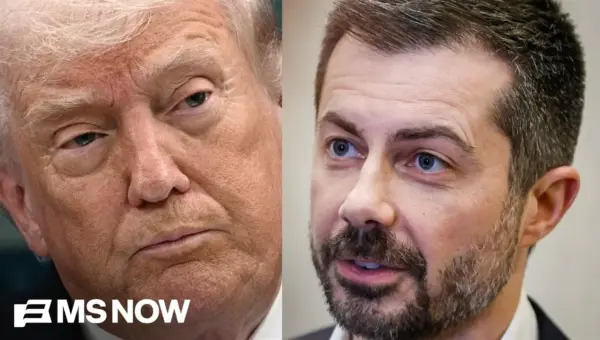
Buttigieg: Trump’s Policies Drive Up Costs for Americans
Former Secretary of Transportation Pete Buttigieg argues that Donald Trump's policies and rhetoric are actively increasing costs for ordinary Americans. He contrasts this with typical administrations that aim to lower inflation, stating that current policies exacerbate economic hardship across various sectors. Buttigieg also addresses Trump's controversial statements, calling them a dangerous erosion of trust.

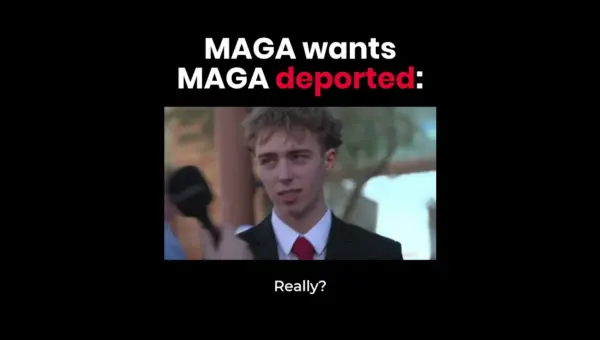
MAGA’s Immigration Paradox: Supporters Face Deportation Fears
A MAGA supporter, facing a decade-long wait for his immigration case, advocates for stricter deportation policies. His personal story highlights the complex and often ironic realities of the U.S. immigration system.
Noonan Slams Trump’s Iran Threats: ‘Hitting a New Bottom’
Journalist Peggy Noonan has strongly criticized former President Donald Trump's social media threats against Iran, calling them "sinister" and "hitting a new bottom." Her commentary highlights concerns about destabilizing the world and undermining America's moral authority. The piece also touches on divisions within the Republican Party and the silence of its leaders.