Trump Says US Needs No Help in Iran Conflict
President Trump declared the U.S. needs no help from allies to secure the Strait of Hormuz, a shift from previous statements. This comes as a top counterterrorism official resigned, citing opposition to the war. Trump also suggested a potential U.S. withdrawal from the region in the near future.

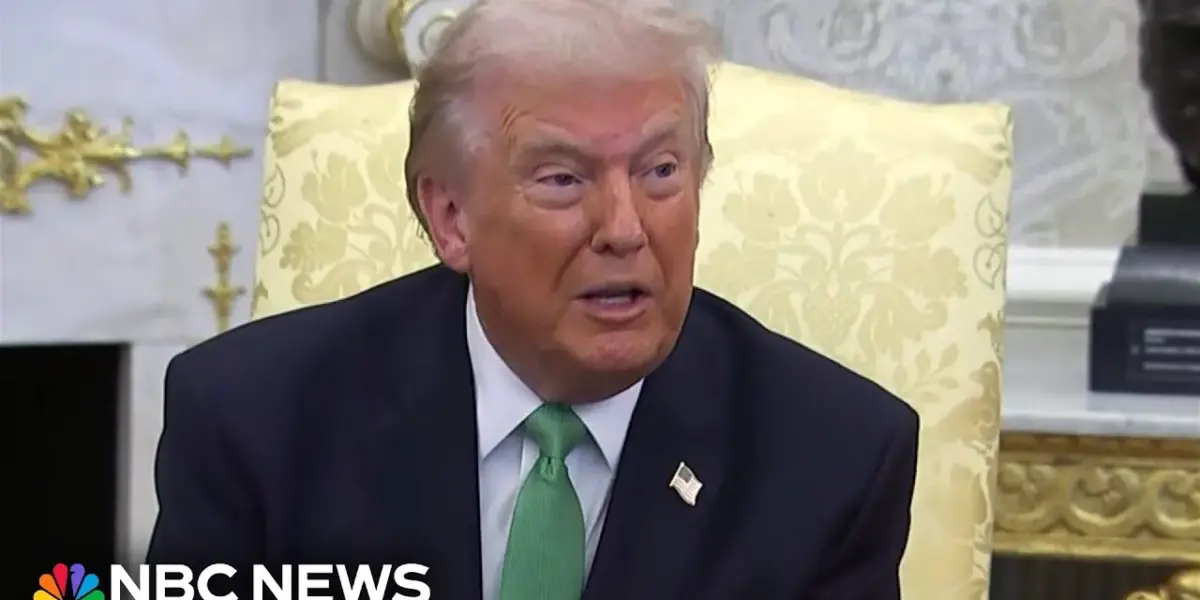
Trump Claims Victory, Says US Needs No Help in Iran Conflict
President Trump declared Wednesday that the United States does not need any help from other countries to secure the Strait of Hormuz, a significant shift from his previous statements. This comes as a top counterterrorism official resigned, citing his opposition to the ongoing war in Iran. The President also suggested the U.S. could withdraw from the region in the near future.
Shifting Stance on International Support
During a meeting with the Irish Prime Minister, President Trump asserted that the U.S. has handled the conflict effectively and doesn’t require assistance from allies, including NATO. “We don’t need help,” Trump stated. “We’ve knocked out many of these things. We knocked out the Navy essentially in a couple of days.” This statement directly contradicts earlier remarks where he indicated that numerous countries were preparing to assist in the Strait.
His economic advisor, Kevin Hassett, had earlier suggested that oil tankers were beginning to pass through the Strait, indicating Iran’s weakening position. Hassett mentioned that the war was expected to last 4 to 6 weeks and that the U.S. was ahead of schedule. He added that Iran’s strategy to hurt the U.S. economy had failed, as the overall economy remained strong despite higher gas prices.
Resignation Amidst War Concerns
The conflict’s direction and justification have led to internal dissent. Joe Kent, Director of the National Counterterrorism Center, announced his resignation, stating, “I cannot in good conscience support the ongoing war in Iran. Iran posed no imminent threat to our nation, and it is clear that we started this war due to pressure from Israel and its powerful American lobby.”
The White House pushed back strongly against Kent’s claims. White House Press Secretary Karoline Leavitt and President Trump argued that Iran’s pursuit of nuclear weapons presented an imminent threat. However, Kent’s resignation raises questions about potential divisions within the administration regarding the war’s rationale and strategy.
Uncertainty Over Future Operations and Withdrawal
President Trump addressed concerns about a prolonged U.S. presence, stating, “If we left right now, it would take ten years for them to rebuild. But we’re not ready to leave yet. But we. We’ll be leaving in the near future.” This suggests a potential withdrawal timeline, though specifics remain unclear.
Experts like former CIA military analyst Ken Pollack noted that even if the U.S. withdraws, the situation in Iran could remain unstable. “The region is going to be a very unstable one as long as this Iranian regime is in place,” Pollack said. He also highlighted the risk that Iran might continue fighting even if the U.S. stops, potentially keeping the Strait of Hormuz closed and continuing attacks on allies.
Regional Escalation and International Reactions
Meanwhile, military actions continue to escalate in the region. An Iran-aligned militia group fired on the U.S. Embassy in Baghdad, causing an explosion. In parallel, Israel announced it had killed Iran’s top security official and vowed to pursue Iran’s leadership. Raf Sanchez, reporting from Beirut, confirmed that Israel stated it killed Ali Larijani, described as the de facto wartime leader of Iran. However, confirmation from the Iranian government is pending.
NATO allies, when consulted, indicated that the war in Iran is primarily an American responsibility. European officials stated there is no appetite for direct involvement, as they were not consulted before the U.S. and Israel began their strikes. They view the reopening of the Strait of Hormuz as a matter for the U.S. to resolve.
The Path Forward
The U.S. possesses the capability to protect the Strait of Hormuz but faces significant dangers, particularly from drone threats, surface-to-surface missiles, and mines. As President Trump signals a potential near-term withdrawal, the region faces continued instability and uncertainty. The actions of Iran and the response of its neighbors, coupled with the internal dynamics of the Iranian regime, will shape the future security landscape.
Source: Iran may not ‘stop fighting’ even as Trump says U.S. could leave Iran soon: Fmr. CIA analyst (YouTube)

Related Articles
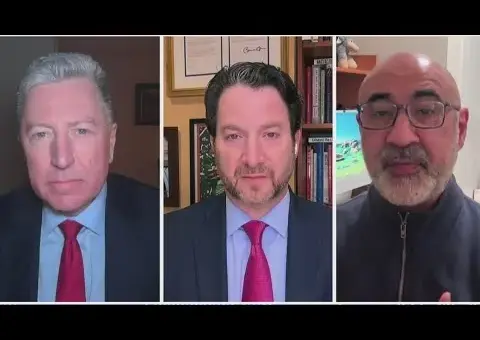
U.S. Iran Tensions Rise Amid Shifting Alliances
Rising tensions between the U.S. and Iran are creating a volatile geopolitical situation. With conflicting signals on de-escalation and potential shifts in alliances like NATO and U.S.-Israel relations, the path forward remains uncertain. The global economy and regional stability hang in the balance.

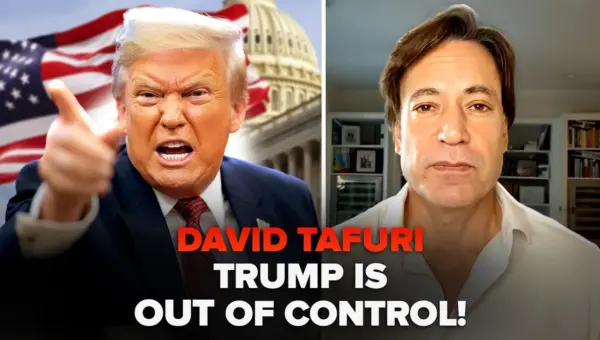
Trump Halts Iran Strikes Amid Stalled Diplomacy
President Trump announced a pause on planned strikes against Iran, citing productive talks, though Iran denies negotiations occurred. Reports also suggest a potential U.S. ground operation on Iran's Hark Island. The situation raises concerns about international support for Ukraine and potential shifts in U.S. foreign policy.
Polls Spell Doom: Republicans Face Voter Backlash
New polling data reveals a sharp decline in public confidence regarding the economic impact of Republican policies, particularly under Donald Trump. A significant majority now feel financially worse off, a trend that is especially pronounced among independent voters. This economic discontent poses a major challenge for the Republican party heading into future elections.