Trump: Rising Oil Prices a ‘Very Small Price to Pay’
Former President Donald Trump stated that rising oil prices are a "very small price to pay," a comment that comes as crude oil surges past $100 a barrel. Global markets are gripped by anxiety over the economic implications and potential for further escalation of international conflicts.

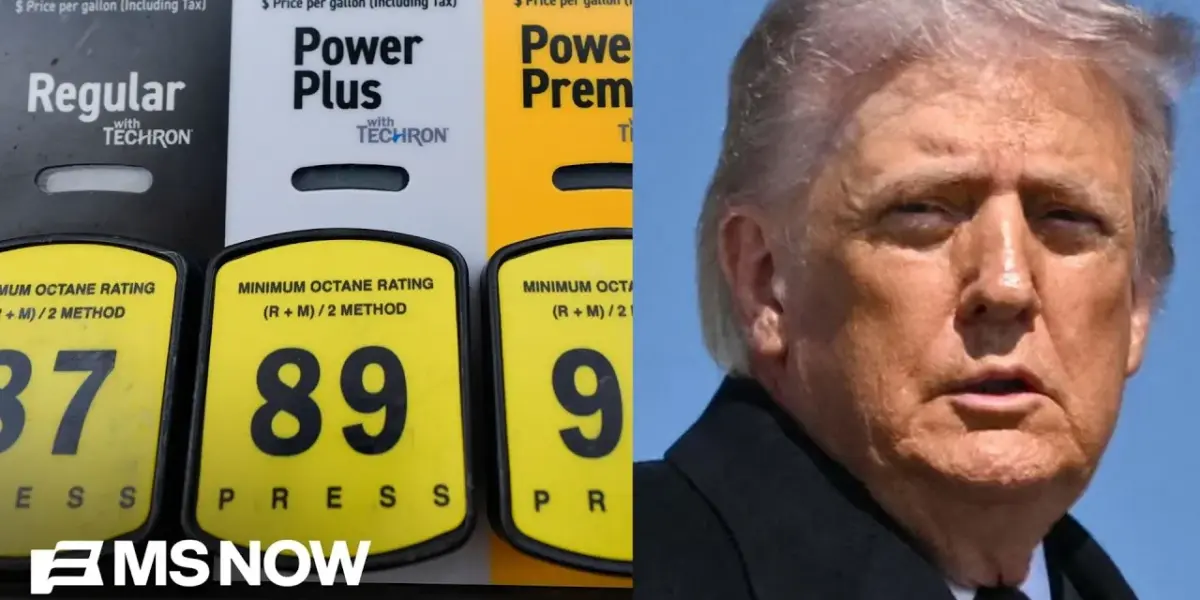
Global Oil Surge Fuels Economic Anxiety as Trump Downplays Consumer Impact
NEW YORK – As crude oil prices surge past $100 a barrel for the first time since 2022, sending shockwaves through global markets and impacting American consumers at the pump, former President Donald Trump has offered a stark assessment, stating that the rising costs are a “very small price to pay.” His comments, made in response to the escalating geopolitical tensions contributing to the oil price hike, suggest a divergence from traditional political concerns over energy costs and place the focus on broader strategic interests.
The current spike in oil prices is largely attributed to ongoing conflicts and instability in key global regions, particularly the Middle East, which has led to concerns about supply disruptions. This has created a favorable economic climate for Russia, with Vladimir Putin reportedly enjoying a significant financial windfall as the cost of Russian oil increases. In a move that has drawn scrutiny, the U.S. Treasury Department, through Secretary Scott Besson, has announced a three-day waiver allowing Indian refiners to purchase Russian oil, a decision made amidst the challenging global energy landscape.
Market Reaction and Economic Concerns
The financial markets are reacting with palpable anxiety to the sustained rise in oil prices and the potential for further escalation of the ongoing conflicts. Andrew Ross Sorkin, co-anchor of CNBC’s Squawk Box and a columnist for The New York Times, highlighted the broad economic implications, noting that “gas prices are a billboard on the corner of virtually everything.” He elaborated on how the stock market is already reflecting these concerns, with indices in major economies like Japan and South Korea experiencing downturns. The Nikkei, for instance, saw a significant drop of 5%.
“The question is, how is the Street feeling not only about gas prices where they are going, but where this competition is going and how long they believe our economy can stay strong sustaining a war like this against a position of positions to Iran? I think the straight-up answer is not good.”
Sorkin emphasized that the concern extends beyond the immediate cost at the pump, touching on the broader economic stability and the potential for inflation. The persistent rise in oil prices, coupled with the uncertainty surrounding international conflicts, suggests that central banks may be hesitant to lower interest rates, further dampening economic outlooks. The impact is far-reaching, affecting industries from airlines to virtually every sector of daily life.
Geopolitical Undercurrents and Russia’s Advantage
The surge in oil prices presents a significant economic advantage for Russia, a major oil producer whose invasion of Ukraine has been met with international sanctions. As global demand for energy remains high and supply chains are threatened, Russia is able to command higher prices for its oil, thereby bolstering its economy and potentially funding its military operations. This dynamic has led to a complex situation where efforts to isolate Russia economically are being indirectly undermined by market forces.
The U.S. decision to grant waivers for Indian refiners to purchase Russian oil, while seemingly a pragmatic response to market conditions, underscores the intricate geopolitical chess game being played out. This move, however, occurs against a backdrop of broader discussions about the effectiveness of sanctions and the global reliance on Russian energy.
China’s Stake and Future Uncertainties
The situation also has significant implications for China, a major consumer of oil and a nation with substantial investments in the Middle East. China’s reliance on affordable oil imports makes it particularly vulnerable to price fluctuations and supply disruptions. The ongoing conflict and rising energy costs could force Beijing to reassess its foreign policy and its engagement in the region, potentially leading to unexpected diplomatic or economic maneuvers.
Sorkin noted the anxiety surrounding the duration of the current crisis, posing the question, “Does this go on for another week, does this go on for four weeks, five weeks, or longer?” The uncertainty surrounding the longevity of the conflicts and their impact on global energy markets is a primary driver of market volatility.
Historical Political Perspectives
Recalling past political approaches to energy prices, Sorkin referenced Bill Clinton’s intense focus on gas prices, acknowledging the political significance of what consumers see at the pump. However, Trump’s current stance suggests a shift in priorities, framing the economic pressures as a secondary concern compared to larger strategic objectives. His assertion that only “fools would think differently” positions his perspective as one of strategic foresight, challenging conventional political wisdom that often prioritizes immediate consumer relief.
“I will say one thing, the president has historically, he has not reacted positively to what he’s wanted to do whether it be Greenland or tariffs on China or other things, he has stepped back. He has walked back. So there I think there is a bit of a trade out there which is the view that, you know, depending on how things go, maybe he would step back a little bit more quickly than he would otherwise even want to.”
This perspective hints at a potential for Trump to reassess his position if market conditions or political pressures become too severe, a pattern observed in his previous policy decisions. The coming weeks will be critical in determining whether consumers perceive the rising costs as a “small price to pay” or a significant burden, and how this sentiment influences political discourse and market behavior.
Looking Ahead
As Wall Street opens and the global energy crisis continues to unfold, all eyes will be on the trajectory of oil prices and the geopolitical developments that shape them. The Federal Reserve and other central banks will be closely monitoring the inflationary pressures stemming from high energy costs. The market’s reaction, coupled with potential policy shifts from major global powers, will dictate the economic outlook for the remainder of the year. The question remains whether the current geopolitical strategy will hold, or if the economic realities will force a recalibration, impacting everything from household budgets to international relations.
Source: 'Very small price to pay': Trump weighs in on rising oil prices (YouTube)

Related Articles

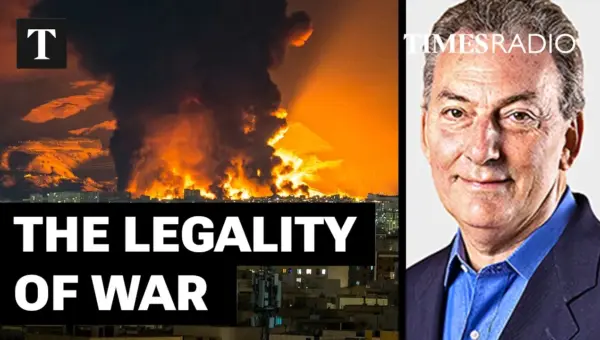
Trump’s Iran Attack: Legal or Illegal War? Experts Weigh In
Experts are questioning the legality of the US-led offensive in Iran, noting that true 'legal gold standard' wars, authorized by UN Security Council resolutions, are exceptionally rare. The conflict's objectives, potential for internal unrest in Iran, and the differing strategies between the US and Israel are under intense scrutiny as the situation develops.


Fox News Urges Tankers to Risk Lives, Sparking Outrage
Fox News host Brian Kilmeade's suggestion that oil tankers should sail through war zones to diminish threats has sparked outrage. Critics argue this encourages mariners to risk their lives for political gains, raising ethical and safety concerns.
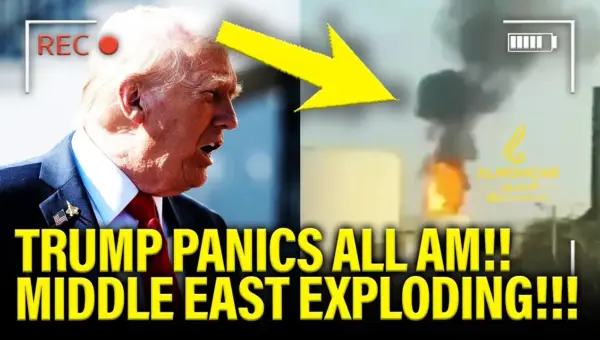
Iran Conflict Backfires: Trump’s War Fuels Unrest, Profits
Donald Trump's approach to Iran is reportedly backfiring, fueling public unrest in Tehran and sparking accusations of family members seeking to profit from a new drone company. The conflict's economic impact is evident with disruptions to oil infrastructure, while political rhetoric focuses on internal divisions.