Trump Rethinks Deportation Policy Amid Voter Backlash
President Trump is reportedly rethinking his administration's mass deportation policies due to voter backlash and declining poll numbers. While White House officials maintain the enforcement agenda is unchanged, sources suggest a shift towards focusing on "bad guys" and reducing perceived chaos. This move comes as the administration grapples with voter alienation and explores new messaging strategies.

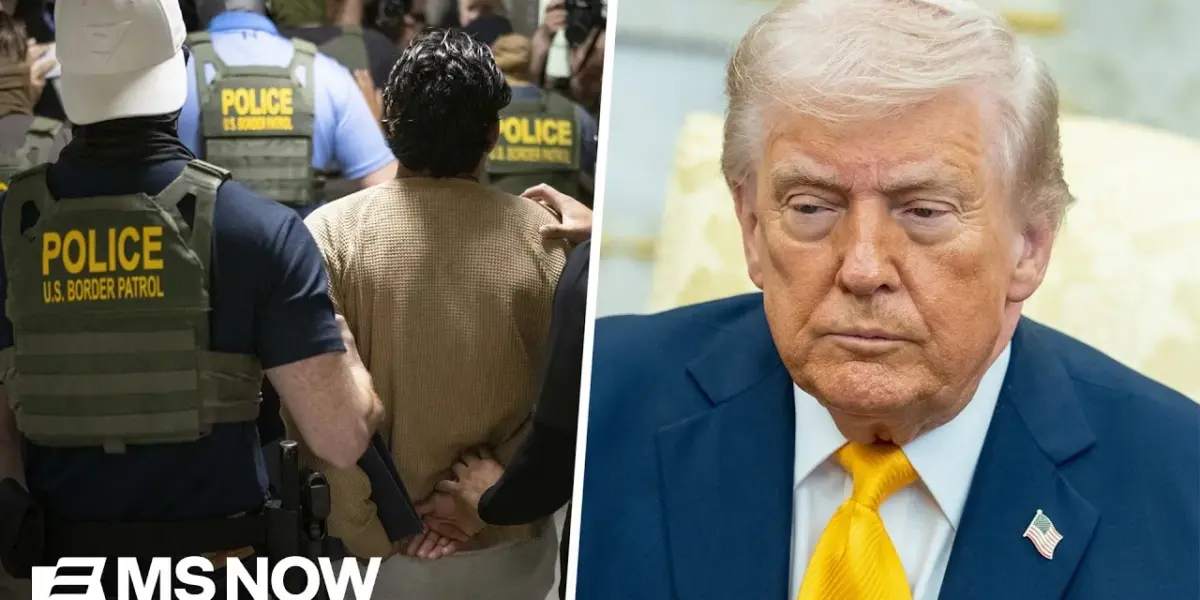
Trump Shifts Stance on Mass Deportation Policy
President Trump is reportedly reconsidering his administration’s aggressive mass deportation policies, a significant shift driven by concerns over voter perception and polling numbers. Sources close to the White House indicate that Trump believes some of his past immigration enforcement actions have gone too far. He has expressed a desire to focus more on arresting individuals deemed “bad guys” and less on creating what he calls “chaos in American cities.” This potential change in strategy comes as the administration faces criticism and declining support, particularly among key voter demographics.
Voter Concerns Drive Policy Rethink
The term “mass deportation” has proven unpopular with voters, according to recent polling data. The president’s team recognizes that this messaging is not resonating well and may be alienating potential supporters. Events like the unrest in Minneapolis following the deaths of George Floyd, Breonna Taylor, and Ahmaud Arbery have highlighted the sensitive nature of law enforcement and immigration policies. The administration appears to be aware that a more nuanced approach might be necessary to regain public trust and improve the president’s standing ahead of future elections.
Administration Maintains Enforcement Agenda
Despite the reported shift in the president’s thinking, White House spokesperson Abigail Jackson stated that the administration’s immigration enforcement agenda remains unchanged. “Nobody’s changing the administration’s immigration enforcement agenda,” Jackson affirmed. She emphasized that President Trump’s “highest priority has always been the deportation of illegal alien criminals who endanger American communities.” This suggests a potential disconnect between the president’s private concerns and the public messaging from his administration, or perhaps an effort to maintain a tough stance while internally exploring different tactics.
Past Policies and Shifting Rhetoric
This is not the first time President Trump has appeared to back away from his most stringent immigration policies. Throughout his first term, there have been cycles where aggressive enforcement measures were announced, only to be quietly resumed later. Analysts suggest that the current reassessment is largely driven by political calculations. Immigration was a key issue for motivating the Republican base in past elections. However, with the border situation perceived by some as more stable, the administration may be looking for new ways to energize supporters without alienating moderate voters.
New Targets for Anti-Immigrant Rhetoric?
As the focus potentially shifts away from mass deportations of Hispanic immigrants, some observers note a concerning migration of anti-immigrant rhetoric towards Muslim communities. This tactic mirrors the “othering” strategies used in previous election cycles, but now targets a different group. The template of criticism remains similar, focusing on perceived threats from immigrants. This shift allows Republicans to continue using immigration as a wedge issue without directly confronting the president’s evolving stance on deportations or alienating Hispanic voters who have become increasingly important.
Optics vs. Actual Policy Change
The appointment of new leadership within the Department of Homeland Security (DHS) may signal a change in public presentation, but the extent of actual policy reform remains uncertain. Some analysts believe the changes are purely cosmetic, aimed at improving optics rather than altering fundamental enforcement strategies. The new DHS chief, for example, may avoid the high-profile public displays of his predecessor, preferring a more discreet approach to deportations. However, the influence of key figures like Stephen Miller, a staunch advocate for hardline immigration policies, continues to be a significant factor. Miller’s recent activities in Texas, discussing detention and deportation models, suggest that the core ideology behind these policies may persist regardless of public messaging.
Polling Data and Voter Alienation
The administration’s actions are strongly suggested to be a reaction to negative polling data. The president appears to have lost significant support among Hispanic voters, particularly in key states like Florida. While the Muslim-American community is a smaller voting bloc nationally, it holds considerable influence in specific areas, such as Michigan, where a crucial Senate seat is up for grabs. The events in Minneapolis, which remain vivid in the public consciousness, have also had a lasting impact, raising concerns about the human cost of aggressive enforcement policies.
The Road Ahead
Whether the Trump administration can successfully pivot its immigration messaging without alienating its base or appearing disingenuous remains to be seen. The lingering impact of past policies and the continued influence of hardline advisors like Stephen Miller present significant challenges. Future actions regarding border security, deportation procedures, and the rhetoric surrounding immigration will be closely watched, especially as the next election cycle approaches. The administration’s ability to balance political strategy with public perception will be critical in determining its success.
Source: 'Polling through the floor': Trump rethinks unpopular mass deportation policy (YouTube)

Related Articles

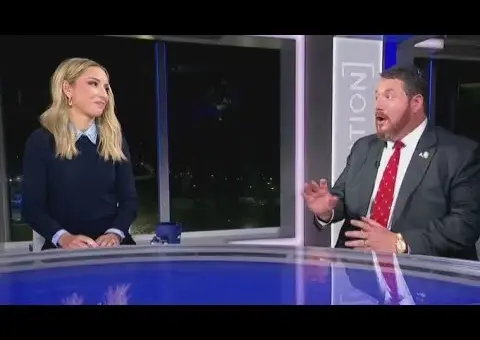
House Republicans Reject Senate Deal, Sparking Government Funding Clash
House Republicans have rejected a Senate bill to end the government shutdown, citing insufficient border security measures. Congressman Randy Fine called the Senate deal a "disgrace" and highlighted the ongoing fight for full government funding. President Trump's executive order to pay TSA agents offers temporary relief, but the core disagreement over border security continues to paralyze Washington.

Voter ID: Common Sense or Suppression?
A growing debate surrounds voter ID laws, with proponents calling them a common-sense measure against fraud and opponents fearing voter suppression. Many countries and U.S. states already require ID to vote.

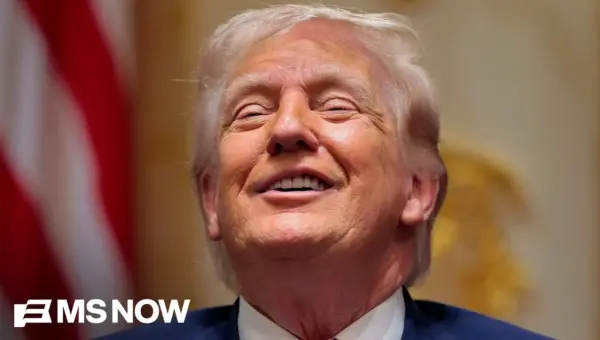
Trump’s Name Everywhere: A ‘Stain’ on GOP Legacy?
Former President Donald Trump's efforts to brand national symbols, including a proposed signature on dollar bills, spark debate. Critics view this as an authoritarian attempt to embed his legacy, potentially staining the Republican Party's history and contrasting with democratic ideals of public ownership.