Trump Renovation Raises Questions of Foreign Steel Influence
Questions are being raised about the use of foreign steel in White House renovations and potential links to policy changes. A donation of steel from ArcelorMittal to President Trump's ballroom project preceded adjustments to tariff policies that could benefit the company. This has sparked debate over transparency and corporate influence in government.

Trump Renovation Raises Questions of Foreign Steel Influence
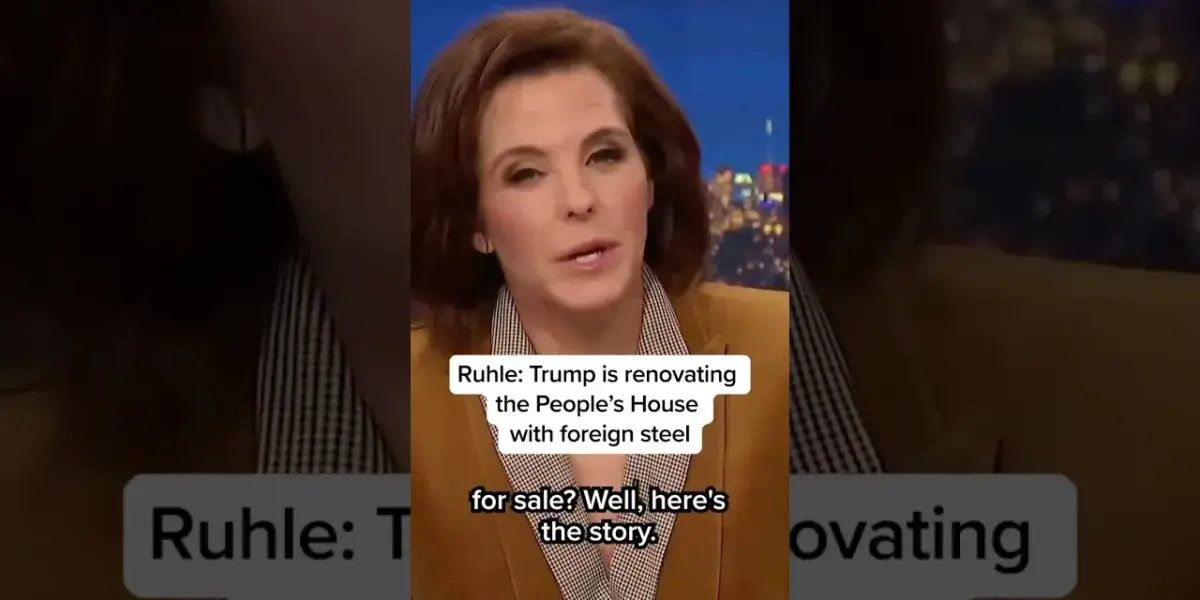
President Donald Trump’s renovation of the White House, often called the “People’s House,” is facing scrutiny over the use of foreign steel and potential links to policy changes that could benefit specific companies. The controversy centers on a donation of steel from ArcelorMittal to Trump’s ballroom project, followed by adjustments to tariff policies that might favor the company. This situation has led to questions about transparency and whether the White House is influenced by corporate interests.
Steel Donation and Tariff Adjustments
The issue came to light when ArcelorMittal, a major steel producer with significant operations in the United States, reportedly donated steel for the renovation of Trump’s private ballroom. Shortly after this donation, the Trump administration made changes to steel tariff policies. These adjustments, according to critics, could provide a financial advantage to companies like ArcelorMittal, raising concerns about a potential quid pro quo.
Stephanie Ruhle, a journalist and anchor, has been vocal in questioning the timing and nature of these events. She highlighted the donation and the subsequent policy shifts, posing a direct question: “Is this White House for sale?” This sentiment reflects a broader concern among watchdog groups and the public about the ethical implications of such transactions.
What Are Tariffs and Why Do They Matter?
Tariffs are essentially taxes placed on imported goods. Governments use them for several reasons, often to protect domestic industries from foreign competition. For example, if a country places a tariff on imported steel, that steel becomes more expensive for American buyers. This makes domestically produced steel more attractive, potentially helping American steel companies sell more of their product.
However, tariffs can also have downsides. They can increase costs for businesses that rely on imported materials, and they can sometimes lead to retaliatory tariffs from other countries, harming export industries. In this case, the policy adjustments related to steel tariffs could impact the cost and availability of steel for various construction and manufacturing projects across the United States.
ArcelorMittal’s Role and Potential Benefits
ArcelorMittal is a global steel and mining company with a significant presence in the United States. The company operates numerous mills and employs thousands of American workers. Like many large corporations, it engages in lobbying and advocates for policies it believes will benefit its business.
The donation of steel for the White House renovation could be seen as a gesture of goodwill or corporate social responsibility. However, when paired with changes in trade policy that directly affect the steel industry, it invites scrutiny. If the tariff adjustments make it easier or more profitable for ArcelorMittal to operate or sell its products in the U.S., then the initial donation could be interpreted as an attempt to influence policy for financial gain.
Broader Implications for Transparency and Trust
The controversy surrounding the White House renovation and foreign steel touches upon fundamental questions of ethics in government. When donations are made to projects associated with high-ranking officials, and these are followed by policy decisions that benefit the donor, it can erode public trust. Citizens expect their government to operate with transparency and to make decisions based on the public good, not on the interests of specific corporations or individuals.
Experts in government ethics often point out the importance of clear lines between private interests and public service. Even the appearance of impropriety can be damaging. In this situation, the public may wonder if policy decisions are being made fairly or if they are being shaped by financial contributions or favors.
Looking Ahead
As this situation develops, the public and government watchdog groups will likely be looking for further clarification on the steel donation and the specific policy changes that were enacted. Investigations into the decision-making process behind the tariff adjustments may be warranted. Understanding the full extent of ArcelorMittal’s involvement and the White House’s response will be crucial in assessing the integrity of the administration’s actions. The outcome could influence future discussions about corporate influence in politics and the rules governing donations and policy-making at the highest levels of government.
Source: Ruhle: Trump is renovating the People's House with foreign steel (YouTube)

Related Articles


First Lady’s Epstein Statement Stuns White House
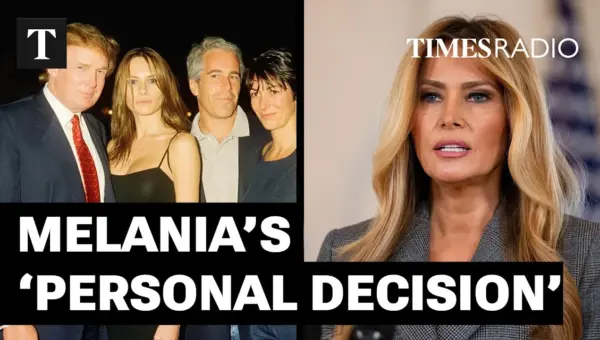
First Lady Melania Trump made a surprise statement denying close ties to Jeffrey Epstein and calling for Congressional hearings for victims. President Trump was reportedly unaware of the statement's content beforehand. The unexpected remarks stunned observers and contrast with the President's past calls to move on from the Epstein files.

Melania Trump Denies Epstein Ties in Surprise Public Statement
Melania Trump has directly denied any relationship with Jeffrey Epstein in a surprise press conference, aiming to dispel rumors. She also called for public hearings for Epstein's victims, a move that reportedly surprised some White House officials. The statement comes as investigations into Epstein's alleged abuse continue.

Trump’s Iran Deal Threatens US Credibility
Critics argue that Donald Trump's approach to a potential Iran ceasefire deal will result in a strategic humiliation for the United States. Concerns include Iran gaining more control over vital waterways and maintaining its nuclear program, while exposing U.S. military vulnerabilities and eroding regional credibility.