Trump Rejects TSA Funding Deal, Stalling Bipartisan Talks
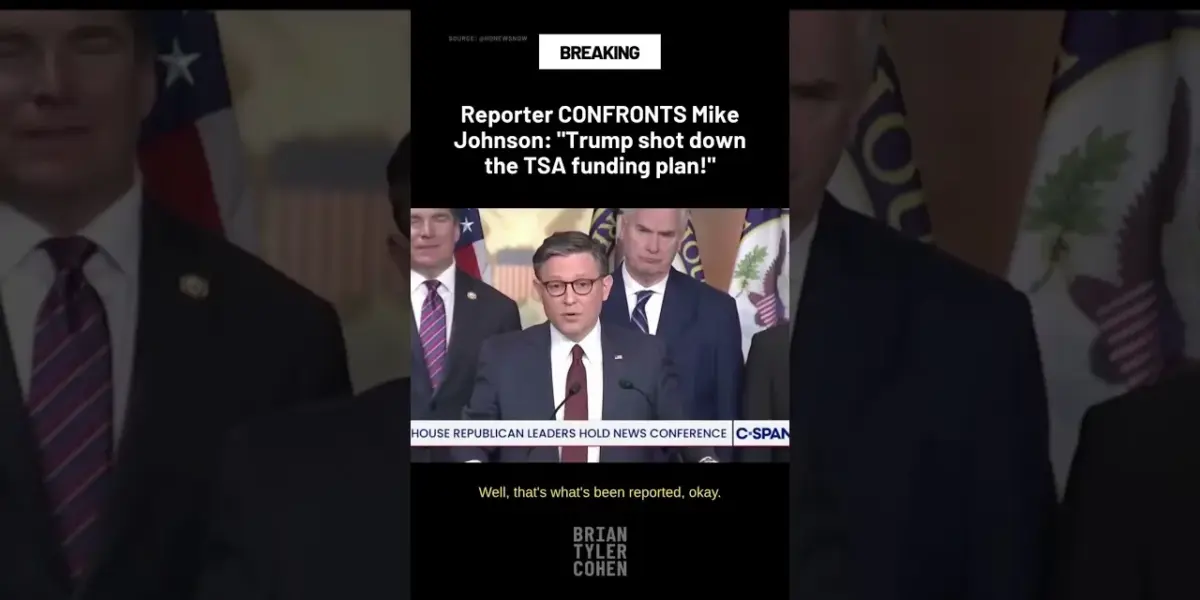
Former President Donald Trump has reportedly shot down a bipartisan TSA funding plan, stalling crucial negotiations between Republicans and Democrats. This rejection highlights deep divisions and raises questions about presidential involvement in resolving legislative impasses.

Trump’s Stance Imperils Crucial Funding Talks
Talks between Republicans and Democrats over important funding measures have hit a major roadblock. Reports indicate that former President Donald Trump has rejected a proposed plan, throwing the future of these negotiations into doubt. This move by Trump has created a significant challenge for lawmakers trying to find common ground.
Divisions Emerge in Washington
The current situation shows a deep divide between the two major political parties. Republicans and Democrats appear to be speaking different languages, unable to agree on a path forward. This disagreement is not just about small details; it affects essential government functions.
The President’s Role in Negotiations
The question arises whether only the President of the United States can break this deadlock. Some observers wonder why the current President is not more actively involved in resolving the dispute. His involvement could potentially shift the momentum and encourage compromise.
Trump’s Reported Disapproval
Sources suggest that a specific plan was presented to Trump yesterday. He reportedly met with a group in the Oval Office and expressed his displeasure with the proposal. This meeting seems to have been a turning point, leading to the plan’s rejection.
While the exact words are hard to pin down, Trump’s sentiment was clear. He is described as being skeptical, even cynical, about the possibility of a deal being reached. This outlook from a prominent political figure can significantly influence ongoing discussions.
Historical Context of Funding Debates
Disagreements over government funding are not new in American politics. Throughout history, these debates have often become highly partisan battles. Sometimes, these disputes can lead to government shutdowns or near-shutdowns, impacting services and public confidence.
The current situation echoes past instances where key figures have intervened, either to support or oppose proposed solutions. These interventions often reflect broader political strategies and the desire to maintain party influence.
Why This Matters
The outcome of these funding negotiations is critical. It impacts the operational capacity of government agencies, such as the Transportation Security Administration (TSA), which is vital for national security and public safety. When funding is uncertain, these agencies struggle to plan and execute their missions effectively. This can lead to disruptions in services that millions of Americans rely on daily.
Furthermore, the inability of lawmakers to agree highlights the challenges facing bipartisan cooperation in Washington. It suggests that political motivations may be overshadowing the need for practical governance. The public often grows frustrated when they see political infighting preventing progress on important issues.
Implications and Future Outlook
Trump’s reported rejection of the TSA funding plan has several implications. It signals that his influence remains strong within the Republican party, capable of derailing bipartisan efforts. This could embolden other factions to take harder stances, making future negotiations even more difficult.
Looking ahead, the path to a resolution remains uncertain. Lawmakers will likely need to find a new approach or secure Trump’s backing for a revised plan. The President’s office will also need to decide how actively to engage to bridge the gap. Without a breakthrough, the government could face budget shortfalls, affecting various sectors.
The trend of political figures using funding debates as bargaining chips is likely to continue. This tactic can be effective for gaining political leverage but often comes at the cost of stable governance. As the 2024 election cycle approaches, such disputes may become even more intense, with funding decisions being used to score political points.
A Call for Pragmatism
Ultimately, the situation calls for a return to pragmatic problem-solving. While political differences are natural, the ability to compromise on essential matters is crucial for a functioning democracy. The public will be watching to see if leaders can move beyond partisan divides to address the nation’s needs effectively.
Source: Reporter CONFRONTS Mike Johnson: "Trump shot down the TSA funding plan!" (YouTube)

Related Articles
Government Shutdown Sparks TSA Pay Chaos; Woods Arrested
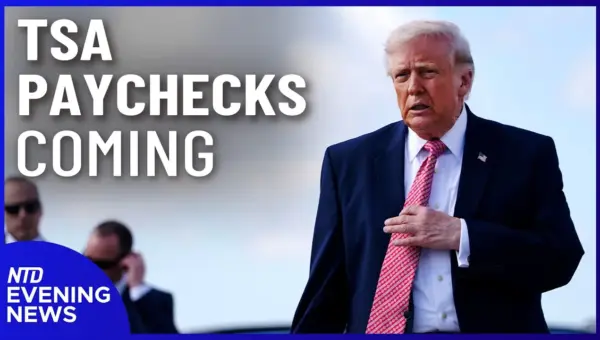
The government shutdown caused major disruptions, leading to TSA agents working without pay and President Trump signing an order to ensure their compensation. Meanwhile, golf icon Tiger Woods was arrested following a car crash in Florida. The news cycle also covered US operations in Iran, support for American farmers, political discussions at CPAC, election record disputes, and lawsuits against social media companies for their impact on students.
Tiger Woods DUI Arrest Sparks Political Ripples
Golf legend Tiger Woods was arrested for DUI in Florida after a rollover crash, showing signs of impairment not related to alcohol. President Trump commented on the incident, noting a personal connection through Woods' girlfriend.

CPAC Crowd’s Boos Reveal GOP’s Deep Divide
A moment at CPAC where the crowd booed impeachment hearings reveals deep divisions within the Republican party. Younger supporters are concerned the GOP base is crumbling due to issues like the Iran war, gas prices, and other controversies.