Trump Rejects Pope’s Iran Ceasefire Plea
President Donald Trump has reportedly rejected a plea for a ceasefire in Iran made by Pope Francis. The Vatican's diplomatic efforts aimed to de-escalate the ongoing conflict and address humanitarian concerns. This move highlights the complex U.S.-Iran relations and the limits of papal influence in certain geopolitical matters.


President Trump Denies Pope’s Ceasefire Request for Iran
In a significant diplomatic move, U.S. President Donald Trump has reportedly rejected a call for a ceasefire in Iran, a plea made by Pope Francis, the first American Pope. The Vatican, through its diplomatic channels, had sought a cessation of hostilities, highlighting the urgent need for peace. This rejection underscores the ongoing tensions and complex geopolitical dynamics surrounding Iran.
Vatican’s Appeal for Peace
Pope Francis, known for his consistent advocacy for peace and dialogue, had reached out to President Trump in an effort to de-escalate the situation in Iran. Colleen Dulle, Vatican Correspondent for America Magazine and host of the podcast ‘Inside the Vatican,’ discussed the implications of this appeal. She noted the Pope’s deep concern for the humanitarian crisis unfolding and his belief in the power of diplomacy to resolve conflicts. Religious scholar and Vatican expert Massimo Faggioli, from Trinity College Dublin, also weighed in, emphasizing the moral authority the Pope holds on the global stage.
The Pope’s calls for peace are rooted in his unwavering commitment to human dignity and the sanctity of life. His appeals often transcend political boundaries, seeking common ground for resolution.
Broader Context of US-Iran Relations
The rejection comes at a time of heightened tensions between the United States and Iran. Long-standing political disagreements and recent escalations have created a precarious situation. The U.S. has imposed significant sanctions on Iran, impacting its economy and the daily lives of its citizens. These sanctions have been a major point of contention, with Iran arguing they constitute economic warfare.
The international community has largely urged for a diplomatic solution, emphasizing the risks of further escalation. Many nations have expressed concern over the potential for a wider conflict in the region, which could have devastating consequences. The Pope’s intervention was seen by many as a crucial attempt to open a dialogue and prevent further bloodshed.
Expert Analysis on the Rejection
Massimo Faggioli explained the significance of a papal appeal, stating that while the Pope does not command armies, his moral voice carries immense weight. He suggested that the rejection of such a plea by a U.S. president, especially one from a fellow American Pope, sends a strong signal about the current administration’s foreign policy priorities. Colleen Dulle added that the Vatican often works through established diplomatic channels, and a direct rejection of the Pope’s request is unusual and noteworthy.
The experts highlighted that such diplomatic exchanges, even when unsuccessful, are vital. They keep lines of communication open and signal a willingness to engage, however limited. The absence of a ceasefire means that the ongoing conflict or tensions in Iran will continue, with potential for further civilian suffering and regional instability.
Focus Shifts to Peter Thiel’s Lectures
Beyond the geopolitical news, the discussion also touched upon a separate event: Peter Thiel’s recent lectures held in Rome. These four-day events were described as a direct challenge to the authority of the Vatican and Pope Francis. Fritz Espenlaub, host of the Deutschlandfunk podcast series ‘The Peter Thiel Story,’ provided insights into Thiel’s controversial ‘Antichrist’ theories. Massimo Faggioli also joined this part of the discussion, offering his expert perspective on the theological and cultural implications of Thiel’s statements.
Thiel, a prominent tech entrepreneur and conservative figure, has been outspoken in his critiques of modern society and institutions, including religious ones. His lectures in Rome, the heart of the Catholic Church, were seen by many as a provocative act, questioning established doctrines and leadership. The timing of these lectures, coinciding with the Vatican’s diplomatic efforts, added another layer of intrigue to the narrative.
What’s Next?
The rejection of the Pope’s ceasefire call leaves the situation in Iran unresolved, with ongoing concerns for humanitarian impact and regional stability. Attention will remain on diplomatic efforts, both official and unofficial, to find a path toward peace. Meanwhile, the implications of Peter Thiel’s lectures and their reception within religious and intellectual circles will likely continue to be analyzed. The interplay between political power, religious influence, and ideological challenges remains a critical area to watch.
Source: US President Donald Trump rejects Iran ceasefire call from the world's first American pope | DW News (YouTube)

Related Articles
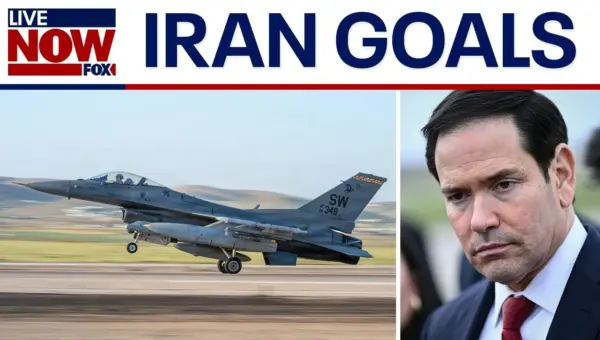
Rubio: US Can Achieve Iran War Goals Without Troops
Senator Marco Rubio outlined a strategy to counter Iran without deploying U.S. ground troops, focusing on weakening the regime and enhancing maritime security. He also criticized Cuba's economic system and expressed concerns about West Bank violence.
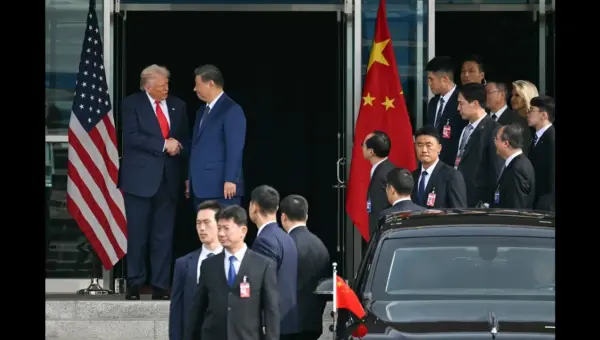
Trump’s “Walk Away” Tactic Signals Tougher Stance on China
Retired Air Force Brigadier General David Stillwell believes President Trump's strategy of being willing to walk away from negotiations puts pressure on China. This tactic, combined with US global actions and strengthened alliances, signals a more assertive American foreign policy.
Israel Escalates Iran Strikes, Warns of Wider War
Israel has launched significant strikes inside Iran following continued missile fire, warning of further escalation. The conflict risks wider regional instability and economic disruption, especially concerning the Strait of Hormuz.