Trump Rejects Iran Deal as Tehran Nears New Leader Amid Escalating Conflict
President Donald Trump has rejected any settlement for the ongoing Iran war, stating it may only end with Iran's military and rulers being 'wiped out.' This hardline stance emerges as Tehran nears a decision on a new supreme leader, while overnight airstrikes reportedly damaged oil facilities in the capital amidst continued missile and drone attacks across the Middle East.

Trump Rejects Iran Deal as Tehran Nears New Leader Amid Escalating Conflict
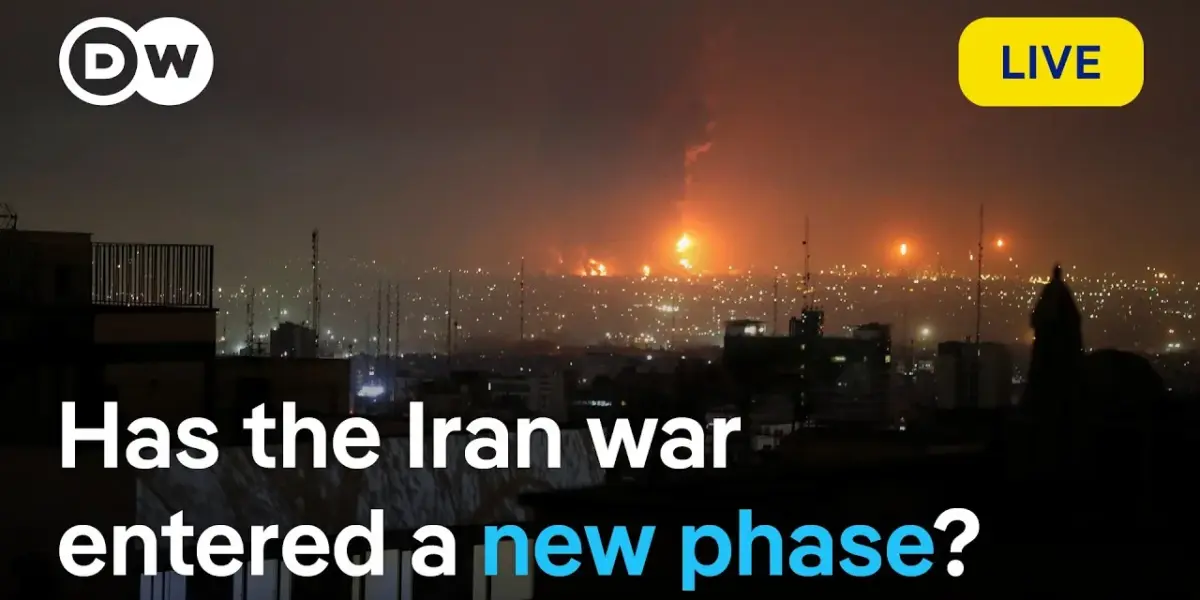
The Iran war has entered its second week, potentially escalating into a new and more perilous phase as U.S. President Donald Trump has rejected any possibility of a negotiated settlement. Trump stated that the conflict may only conclude with the complete annihilation of Iran’s military and its leadership. This firm stance comes as Tehran is reportedly moving towards selecting a new supreme leader, adding a layer of internal political uncertainty to the already volatile regional situation. Overnight airstrikes, attributed to U.S.-Israeli forces, have reportedly damaged oil facilities in the Iranian capital, while a barrage of missiles and drones continue to target several Middle Eastern nations, including Saudi Arabia, the United Arab Emirates, Qatar, Kuwait, and Bahrain.
Escalating Hostilities and Regional Impact
The ongoing conflict has seen a significant increase in aerial attacks across the Middle East. Reports indicate that multiple oil facilities in Tehran sustained damage from airstrikes, raising concerns about the global energy supply. Simultaneously, missile and drone attacks have been reported in Saudi Arabia, the United Arab Emirates, Qatar, Kuwait, and Bahrain, underscoring the widespread regional instability. The intensity and breadth of these attacks suggest a coordinated effort to disrupt economic infrastructure and create widespread fear across the Gulf states.
U.S. Stance and Diplomatic Impasse
President Trump’s declaration that the war may only end with Iran’s military and rulers being “wiped out” signals a hardline approach from the United States, leaving little room for diplomatic resolution. This unequivocal stance suggests a potential shift towards a more aggressive military strategy, aiming for regime change or complete incapacitation of Iran’s defense capabilities. The lack of willingness to engage in negotiations indicates a deep-seated distrust and a belief that military pressure is the only viable path forward.
Tehran’s Leadership Transition
Adding to the complexity of the situation, Iran is reportedly on the verge of selecting a new supreme leader. This internal political transition, occurring amidst an active war and international pressure, could have significant implications for the country’s future direction and its response to the ongoing conflict. The process of selecting a new leader is often opaque and can lead to shifts in policy and power dynamics within the Iranian regime. The timing of this transition, coinciding with an intense military conflict, raises questions about the stability of Iran’s internal governance and its ability to manage external threats.
Economic Ramifications
The escalating conflict and the targeting of oil facilities carry significant economic implications, not only for Iran but for the global market. DW’s Shani Rozanes and Gulf analyst Yesar Al‑Maleki from the Middle East Economic Survey discussed the potential fallout. The damage to oil infrastructure could lead to supply disruptions, driving up global oil prices and impacting economies worldwide. Furthermore, the heightened geopolitical risk in the region can deter foreign investment and disrupt trade routes, leading to broader economic instability. Al‑Maleki highlighted the interconnectedness of the region’s economy, emphasizing that attacks on one nation’s infrastructure can have ripple effects across neighboring countries and beyond.
Broader Implications and Future Outlook
The current trajectory of the Iran war suggests a prolonged period of intense conflict with potentially devastating consequences. President Trump’s rejection of settlement talks and Iran’s internal leadership transition create a volatile mix of geopolitical and internal pressures. The international community watches closely as the situation unfolds, with concerns growing over the potential for wider regional escalation and the humanitarian cost of such a prolonged conflict. The coming days will be critical in determining whether diplomatic channels can be reopened or if the region is heading towards an even more destructive phase.
Source: Live: Donald Trump rejects settling Iran war as Tehran nears decision on new leader | DW News (YouTube)

Related Articles


Iran’s New Leader Wounded Amidst Escalating War and Sleeper Cell Fears
Iran's new Supreme Leader, Mostafa Kamani, has reportedly been critically wounded, sparking fears of internal instability and external intervention. Simultaneously, intelligence suggests Iranian sleeper cells may be activating, while Iran's firing on NATO forces escalates the conflict to a new, dangerous phase.
Iran Conflict: Military Success Masks Diplomatic Uncertainty
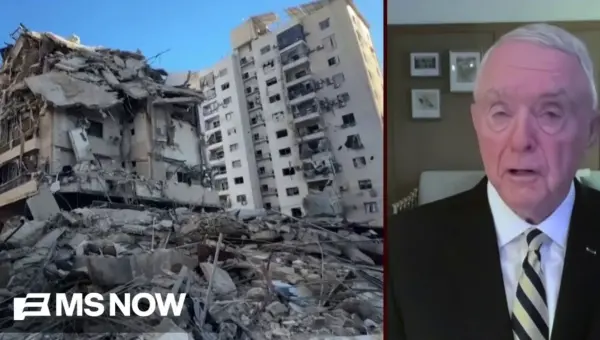
Retired General Barry McCaffrey assesses the remarkable military successes against Iran, including air dominance, but warns of significant diplomatic challenges ahead. The effectiveness of advanced technology in warfare is contrasted with the uncertain political endgame and potential for Iranian economic pressure and terrorism.

Iran’s Pain Strategy: How Gas Prices Could Sink Trump’s Election Hopes
Iran's strategy to inflict maximum pain on the US through economic disruption, particularly rising gas prices, could significantly impact Donald Trump's political future. This analysis delves into Iran's calculated approach to deterrence and the broader regional implications.