Trump Rejects Ceasefire with Iran, Cites Military Strength
President Trump has rejected the idea of a ceasefire with Iran, citing the U.S. military's superior strength. The administration aims to maintain leverage, partly through controlling the Strait of Hormuz, a vital oil shipping route. Allies face domestic constraints in providing direct military support.

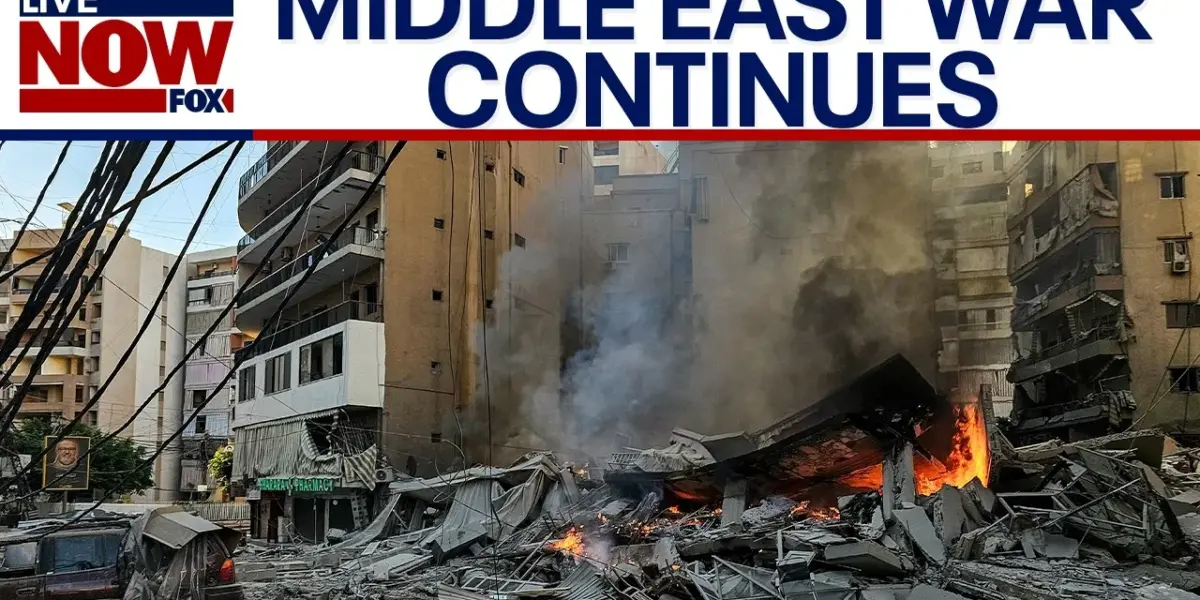
Trump Declines Ceasefire Offer with Iran, Cites Military Superiority
President Donald Trump has stated he is not interested in a ceasefire with Iran, emphasizing the United States’ military strength in the ongoing conflict. The president, who was in southern Florida over the weekend, expressed his stance amidst growing tensions in the Middle East. This decision comes as the White House navigates complex geopolitical pressures and seeks to maintain leverage over Iran.
Keeping Options Open Amidst Military Preparations
White House reporters and analysts suggest that President Trump prefers to keep all options on the table, even those less likely to be pursued. While the Pentagon must prepare for various scenarios, including a potential ground invasion, putting “boots on the ground” is not seen as the White House’s preferred course of action. Such a move carries significant political risks, including potential public backlash over sending American troops into conflict.
However, maintaining leverage is a key objective for the administration. This leverage is closely tied to the Strait of Hormuz, a vital waterway through which a significant portion of the world’s oil passes. Iran’s control over this strait is a critical factor in the ongoing standoff. While President Trump has downplayed its importance in recent statements, disruptions in the strait can impact global oil prices, directly affecting American consumers and potentially influencing Trump’s voter base.
Military Strength and Strategic Leverage
President Trump’s refusal to agree to a ceasefire stems from his belief in the U.S. military’s superior capabilities. He stated, “Why should we do a ceasefire if we are obliterating them?” This perspective highlights a strategic calculus where continued military pressure is seen as a way to weaken Iran and preserve American advantage. By continuing military operations, the U.S. aims to pressure Iran without resorting to a mutual cessation of hostilities that could benefit Tehran.
The administration’s strategy also involves pressuring NATO allies to assist in securing the Strait of Hormuz. President Trump has voiced frustration that allies are not doing enough to help keep the strait open. He argues that many European and Asian allies depend more heavily on oil flowing through the strait than the United States does, suggesting they have a greater stake in its security.
Allies’ Hesitation and Domestic Constraints
Securing international cooperation has proven challenging. Japan, for instance, has indicated that its constitution prevents its Self-Defense Forces from being deployed to conflict zones. Prime Minister Shinzo Abe, during a recent visit to Washington, explained these limitations to President Trump, highlighting the domestic legal and political hurdles that prevent direct military involvement in the strait’s security.
Even joint statements of support from allies often lack concrete commitments. A source from the Japanese Foreign Ministry confirmed that while Japan supports President Trump’s goals in theory, there are no specific plans or promised actions. These statements serve more as a show of unity rather than a commitment to tangible military support.
Resignation Amidst Administration Divisions
The conflict has also led to internal dissent within the administration. Joe Kent, the top counterterrorism official, resigned this week, reportedly over the administration’s policy toward Iran. Kent, a former Green Beret and CIA officer, had urged President Trump to change course in the conflict. His resignation briefly provided a focal point for anti-war sentiments within political circles.
However, the White House has largely downplayed the impact of Kent’s departure, suggesting he was not essential to their plans. So far, no other high-ranking officials have followed suit, indicating a general alignment or reluctance to challenge the president on this issue. Members of Congress, particularly Republicans, face a difficult strategic decision. While some may privately disagree with the president’s approach, breaking with Trump on a matter he deeply cares about is often seen as politically untenable.
Looking Ahead
The administration’s firm stance against a ceasefire, coupled with its reliance on military pressure and the challenge of securing allied support, sets the stage for continued volatility in the region. Attention will remain on diplomatic efforts, potential escalations, and the willingness of international partners to contribute to the security of the Strait of Hormuz. The internal dynamics of the White House and the broader political landscape will also be crucial in shaping future U.S. policy toward Iran.
Source: Trump says he does not want a ceasefire with Iran (YouTube)

Related Articles

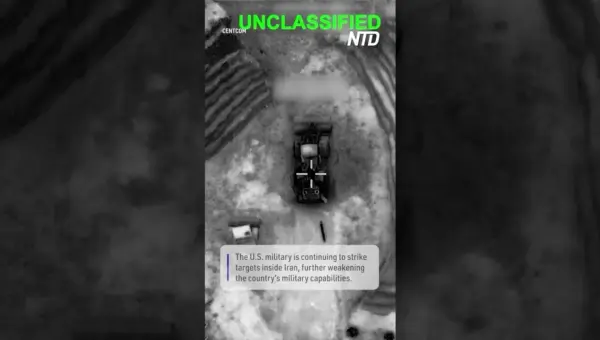
US Strikes Cripple Iran’s Military Might, CENTCOM Reports
U.S. Central Command reports ongoing strikes inside Iran are significantly weakening its military power. This direct action aims to reshape regional security dynamics, but carries risks of escalation. The long-term impact depends on Iran's response and ability to adapt.

U.S. Iran Tensions Rise Amid Shifting Alliances
Rising tensions between the U.S. and Iran are creating a volatile geopolitical situation. With conflicting signals on de-escalation and potential shifts in alliances like NATO and U.S.-Israel relations, the path forward remains uncertain. The global economy and regional stability hang in the balance.


Iran Targets US With Cyberattacks, Escalating Digital Warfare
Iran is increasingly using cyberattacks to challenge the U.S., as seen in a recent hack of the FBI director's account. Experts say this is a strategic shift due to Iran's limitations in conventional warfare. The U.S. needs to strengthen its digital defenses, focusing on encryption and cloud computing, rather than solely relying on traditional security measures.