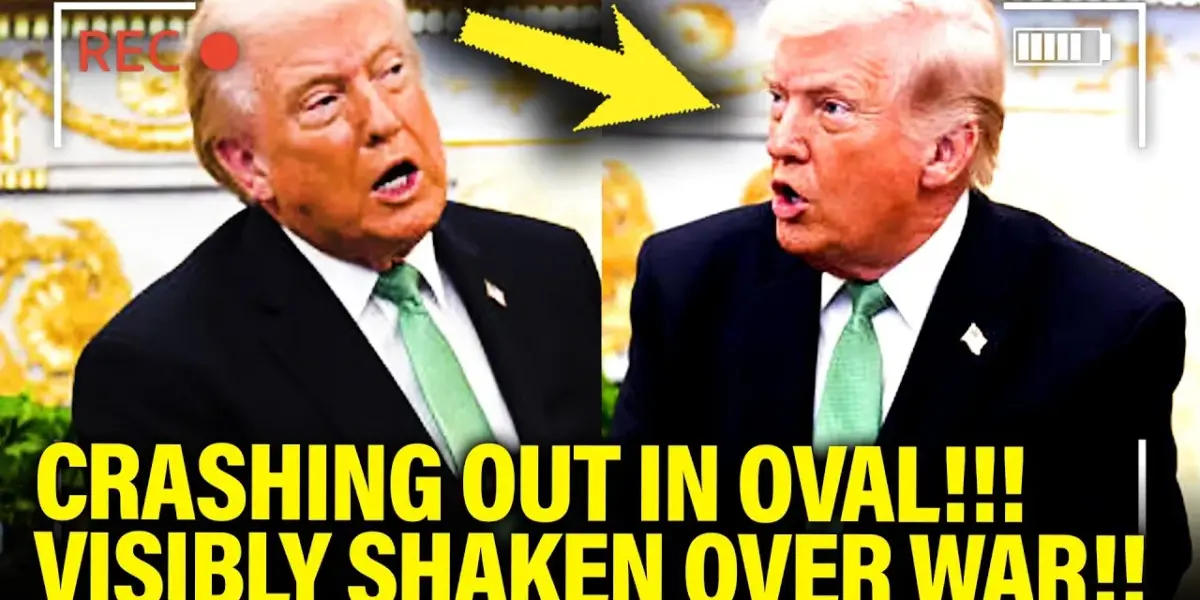
Trump Rattles NATO, Blasts Allies in Chaotic Presser
Donald Trump's recent press conference revealed deep dissatisfaction with NATO allies and a willingness to act unilaterally. His strong statements about U.S. foreign policy, international alliances, and military actions in the Middle East have sparked significant debate.

Trump Rattles NATO, Blasts Allies in Chaotic Presser
In a recent press conference, former President Donald Trump made strong statements about the United States’ role in NATO and its military actions in the Middle East. His remarks, delivered alongside the Taoiseach of Ireland, revealed deep dissatisfaction with NATO allies and a readiness to act unilaterally. Trump’s comments have sparked debate about international alliances and America’s foreign policy direction.
Discontent with NATO Allies
Trump expressed frustration that many NATO allies were unwilling to join a U.S.-led military operation against Iran. He stated that the United States spends billions protecting these countries but receives little support in return. “We will protect them, but they will do nothing for us in particular in a time of need,” Trump said. This sentiment suggests a belief that NATO has become a “one-way street” for American resources. He also declared that the U.S. no longer needs NATO’s assistance due to its own military successes against Iran. “We don’t need the help of anyone,” he added emphatically.
Unilateral Action and Presidential Authority
When questioned about withdrawing from NATO, Trump asserted his authority to make such a decision independently. “I don’t need any congressional approval if I want to pull out of NATO,” he stated. He believes he can make this decision himself with input from trusted advisors. This stance highlights a desire for executive power in foreign policy matters, bypassing traditional checks and balances like congressional approval.
Criticism of World Leaders
The press conference also saw Trump criticizing other world leaders. He contrasted the bust of Winston Churchill in the Oval Office with the current UK Prime Minister, Kier Starmer, suggesting Starmer was not comparable to Churchill. He also took aim at French President Emmanuel Macron, questioning Macron’s stance on joining a task force in the Strait of Hormuz. Trump suggested Macron would soon be out of office, implying his comments were therefore less significant.
Confusion Over Irish Leadership
A notable moment of confusion arose when an Irish reporter asked about the President of Ireland’s condemnation of the U.S. war against Iran as unlawful. Trump appeared to mistake the Taoiseach (Prime Minister) for the President of Ireland and responded by saying, “He’s lucky I exist.” He then reiterated his belief that he, as President, prevented Iran from obtaining nuclear weapons, calling the Obama-era Iran nuclear deal a terrible agreement that provided Iran with billions of dollars. This interaction suggested a possible misunderstanding of the Irish political structure and the roles of its leaders.
Claims of Military Success and Future Plans
Trump claimed that the military operation against Iran was largely concluded within two to three days, stating that Iran’s military, navy, air force, and anti-aircraft capabilities had been decimated. He asserted that the U.S. could disable Iran’s electricity capacity within an hour if it chose to. Regarding future plans, he indicated a U.S. departure from Iran in the “very near future,” stating it would take Iran ten years to rebuild. He also expressed optimism that cargo ships would soon be able to safely navigate the Strait of Hormuz, with help from Middle Eastern countries like Israel.
Attacks on Media and Policies
The former President also targeted media outlets, calling the BBC a “criminal enterprise” and accusing it of spreading “fake news” and inaccurate reporting about the conflict. He also voiced strong opposition to wind and solar energy, criticizing windmills for being expensive, unsightly, and harmful to the environment. He pointed out that China, a major producer of windmills, does not use them extensively, instead relying on coal power. Trump vowed to prevent the construction of new windmills in the United States during his potential presidency.
Reactions to Dissent and Threats
Trump dismissed concerns about a potential “Vietnam” scenario in Iran, stating he was not afraid of anything. He also attacked Joe Kent, a former National Counterterrorism Center director and Trump supporter, calling him “not smart” for questioning the threat from Iran. Kent had recently resigned, reportedly due to objections to the war in Iran. This public criticism of a former ally further underscored Trump’s confrontational style.
Why This Matters
Trump’s statements during this press conference are significant for several reasons. Firstly, they signal a potential shift in U.S. foreign policy, with a strong emphasis on American interests and a willingness to question long-standing alliances like NATO. His assertion of unilateral presidential authority in foreign policy decisions could have major implications for international diplomacy and the balance of power.
Secondly, the rhetoric surrounding the Iran conflict raises questions about the administration’s strategy and communication. The claims of swift military victory and the lack of detailed post-conflict plans could be concerning to allies and adversaries alike. The dismissal of international law and the condemnation of allies also contribute to an uncertain global security environment.
Finally, Trump’s attacks on the media and his strong stance against renewable energy reflect broader political trends. His use of terms like “fake news” and his focus on traditional energy sources resonate with a segment of the electorate but are at odds with global efforts to address climate change and the evolving energy sector.
Historical Context
The North Atlantic Treaty Organization (NATO) was formed in 1949 as a collective defense alliance against the Soviet Union during the Cold War. For decades, it has been a cornerstone of Western security. However, debates about burden-sharing and the relevance of NATO in a post-Cold War world have persisted for years, often resurfacing during times of international tension or when leaders question the financial commitments involved. Trump’s presidency saw a significant increase in these criticisms, with demands for European allies to increase their defense spending.
The U.S. involvement in the Middle East, particularly concerning Iran, has a long and complex history. The U.S. withdrawal from the Iran nuclear deal in 2018 and subsequent “maximum pressure” campaign marked a significant policy change. The current situation, with ongoing hostilities and concerns about regional stability, reflects the enduring challenges in managing U.S. relations with Iran and its impact on global energy markets and security.
Trends and Future Outlook
Trump’s remarks highlight a growing trend of nationalist and protectionist foreign policy approaches. This challenges the post-World War II international order, which relied on multilateral cooperation and strong alliances. The future of NATO and other international alliances may depend on how effectively they can adapt to these pressures and demonstrate their continued value to member states.
The emphasis on unilateral action and skepticism towards international agreements could lead to increased geopolitical instability. Other nations might question the reliability of U.S. commitments, potentially leading to new alignments or a more fragmented global landscape. The debate over energy policy, with a focus on fossil fuels over renewables, also points to a divergence in global priorities, particularly concerning climate change mitigation efforts.
Moving forward, the interplay between established international norms and the rise of nationalist sentiments will likely shape global affairs. The effectiveness of diplomacy, the strength of alliances, and the management of regional conflicts will be crucial in navigating this complex and evolving international environment.
Source: Trump CRASHES OUT in WH PRESS CONFERENCE Over WAR!!! (YouTube)

Related Articles
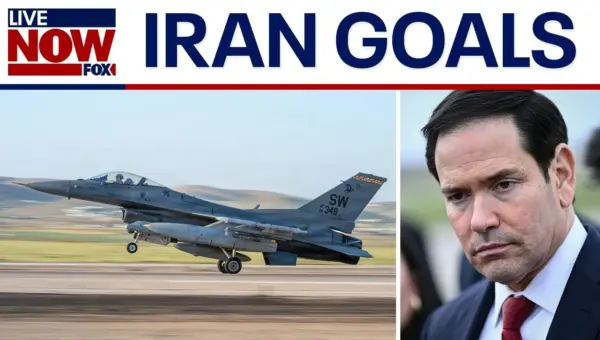
Rubio: US Can Achieve Iran War Goals Without Troops
Senator Marco Rubio outlined a strategy to counter Iran without deploying U.S. ground troops, focusing on weakening the regime and enhancing maritime security. He also criticized Cuba's economic system and expressed concerns about West Bank violence.
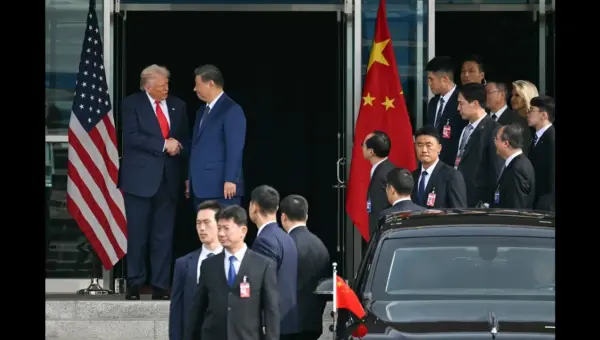
Trump’s “Walk Away” Tactic Signals Tougher Stance on China
Retired Air Force Brigadier General David Stillwell believes President Trump's strategy of being willing to walk away from negotiations puts pressure on China. This tactic, combined with US global actions and strengthened alliances, signals a more assertive American foreign policy.

Israel Escalates Iran Strikes, Warns of Wider War
Israel has launched significant strikes inside Iran following continued missile fire, warning of further escalation. The conflict risks wider regional instability and economic disruption, especially concerning the Strait of Hormuz.