Trump Rages as Global Tensions and War Costs Escalate
Donald Trump's morning was filled with attacks on NATO and boasts of military might, while global tensions escalated. The Houthis threatened to close the Red Sea, billions in aid were redirected, and U.S. troops deployed to the Middle East, signaling a potential ground invasion. Economic forecasts predict rising inflation and slower growth worldwide.

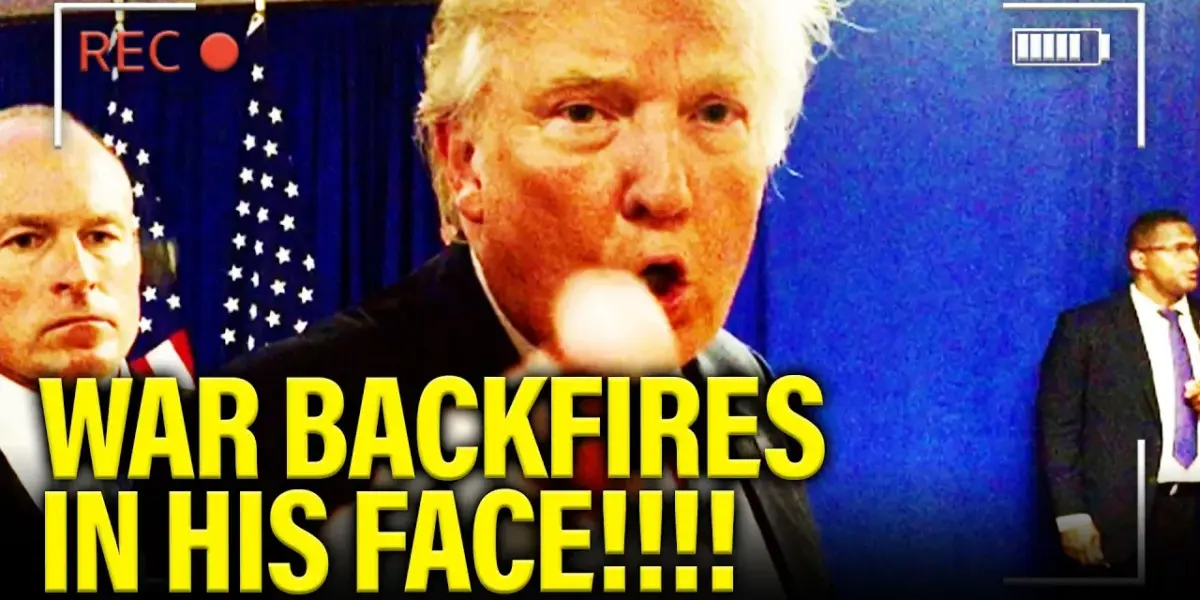
Trump Rages as Global Tensions and War Costs Escalate
On a single Thursday morning, Donald Trump launched a series of broadsides. He attacked NATO allies, claimed Iranian negotiators were desperately seeking a deal, and boasted about American military success. Simultaneously, the world watched as tensions in the Middle East reached a boiling point. This period saw significant shifts in foreign aid and a dramatic increase in military deployments, all while global economic forecasts darkened.
Attacks on Allies and Boasts of Strength
Donald Trump’s morning started with a flurry of posts. He stated that NATO nations had done “absolutely nothing” to help against Iran. He also claimed the United States needed nothing from NATO. Trump asserted that Iranian negotiators were begging for a deal, describing them as “militarily obliterated with zero chance of comeback.” He suggested they should “get serious soon before it’s too late.” He also shared a post praising the supposed military success, calling it a situation that “will be studied with envy.” This came as reports indicated Iran controlled the Strait of Hormuz and was collecting tolls from ships. The main objective, according to this view, was to reopen the strait, not regime change.
Amidst these pronouncements, Trump also targeted political opponents. He called Chuck Schumer a “desperate, crippled politician” and suggested Republicans should terminate the filibuster. He criticized Democrats for focusing on funding the TSA while he brought up issues like “gender mutilization” and voter ID laws, which he described as voter suppression.
Escalating Conflict in the Middle East
While Trump focused on these domestic and diplomatic attacks, serious military actions were unfolding. The Houthis in Yemen announced they were preparing to shut down the Red Sea, awaiting activation orders. This threat targets the Bab al-Mandab Strait, a crucial shipping lane. This comes as the U.S. State Department reportedly redirected nearly $2 billion in foreign aid. This money was meant for disaster relief and peacekeeping, but was instead allocated to what the transcript calls Trump’s “disastrous Board of Peace.”
Furthermore, thousands of U.S. troops, including Marine expeditionary units and special forces, were arriving in the Middle East. This buildup suggested a potential ground invasion was imminent. Reports indicated that 13 American military bases in the Middle East had been evacuated due to attacks by Iranian drones and ballistic missiles. In response, Israel reportedly struck a compound killing the head of Iran’s navy.
Economic Fallout and Global Concerns
The escalating conflict has significant economic implications. The war in Iran is expected to fuel a surge in U.S. inflation, potentially reaching 4.2%, the highest in the G7. This is projected to slow U.S. GDP growth. Global growth forecasts were also revised downward. The Organization for Economic Cooperation and Development (OECD) warned that inflation expectations in G20 countries have been revised upward, and Eurozone growth is expected to slow considerably.
Meanwhile, Russia appears to be benefiting financially from the global instability. Kremlin oil and gas revenues were projected to nearly double in a single month due to soaring prices and U.S. sanction waivers. Even if the war ends soon, Russia’s oil and gas earnings could be significantly higher than pre-conflict estimates. The Vice President of the European Union acknowledged that rising oil prices allow Russia to fund the war in Ukraine, urging increased support for Ukraine and pressure on Russia.
Historical Context and Future Outlook
This period echoes past geopolitical crises where regional conflicts have had global economic and political ripple effects. The Strait of Hormuz and the Bab al-Mandab Strait are historically vital choke points for global trade, and threats to these waterways have always carried significant weight. The redirection of foreign aid funds also raises questions about priorities during times of international crisis.
Donald Trump’s focus on personal anecdotes, like his cognitive tests and boasts of intelligence, contrasted sharply with the gravity of the unfolding events. His cabinet meeting comments, where he called the situation a “test” for NATO that they had “failed,” highlighted his transactional approach to international relations. The potential for a ground invasion, coupled with the involvement of groups like Hezbollah and the Houthis, points to a complex and potentially prolonged conflict.
The economic forecasts suggest a challenging period ahead, with inflation and slower growth impacting nations worldwide. Russia’s financial gains from the crisis further complicate the global economic picture. As military actions intensify and diplomatic efforts appear strained, the coming weeks will be critical in determining the trajectory of this escalating conflict and its far-reaching consequences.
Why This Matters
The events described highlight a critical juncture in international relations and global economics. The escalating military actions in the Middle East carry the risk of wider conflict, with significant human and economic costs. The financial gains for Russia amidst this turmoil also underscore the complex web of global dependencies and the potential for unintended consequences of international crises. Furthermore, the focus on internal political battles and personal grievances, as seen in Trump’s pronouncements, distracts from the urgent need for coordinated global responses to complex security and economic challenges. The decisions made in the coming days will have lasting impacts on global stability, trade, and the well-being of populations worldwide.
Source: Trump has MELTDOWN in AM as WAR BACKFIRES BADLY!!!! (YouTube)

Related Articles


Trump Derails Bipartisan Deal, Halts Government Funding
Senate Republicans united on a funding bill for the Department of Homeland Security, but Donald Trump's opposition led House Speaker Mike Johnson to kill the deal. This political maneuver left TSA workers unpaid and highlighted the influence of personal directives over legislative progress.
Saudi Prince Pushes Trump Toward Iran War Escalation
Saudi Crown Prince Mohammed bin Salman is reportedly urging President Trump to escalate attacks on Iran, pushing for strikes on its energy infrastructure. This strategy would likely harm ordinary Iranians while benefiting Saudi economic interests and the U.S. military-industrial complex. The situation highlights concerns over foreign influence on U.S. foreign policy and the human cost of conflict.
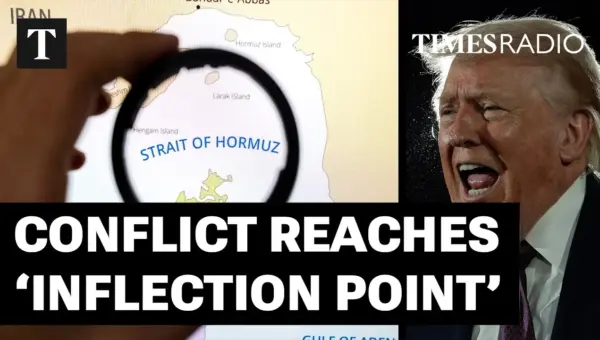
US & Iran at ‘Inflection Point’ as Global Energy Markets Threatened
Global tensions have reached a critical 'inflection point' as Iran's actions threaten energy markets and vital shipping lanes. While the US military reports progress on its objectives, diplomatic uncertainty and global economic impacts loom large. Experts discuss the challenges of reopening key waterways and the broader threat of disinformation campaigns.