Trump, Putin Discuss Ukraine, Middle East in Call
Former U.S. President Donald Trump revealed a "very good" phone conversation with Vladimir Putin, discussing the Ukraine war and Middle East tensions. The call touched upon potential sanctions relief for Russia and Putin's expressed desire to mediate in the Middle East, contingent on ending the Ukraine conflict.

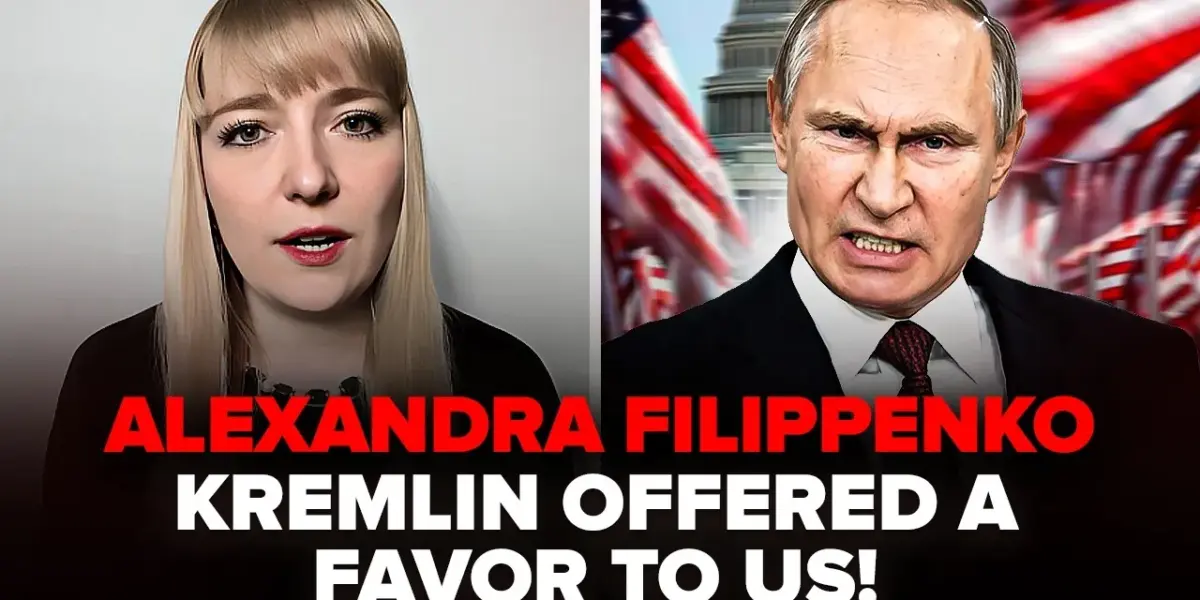
Trump, Putin Discuss Ukraine, Middle East in Call
In a significant development, former U.S. President Donald Trump revealed he held a “very good” phone conversation with Russian President Vladimir Putin. The discussion, which involved participants from both sides, focused on the ongoing war in Ukraine and the volatile situation in the Middle East. Trump characterized the conversation as positive and productive, noting that Putin expressed a desire to contribute to resolving Middle East conflicts.
Sanctions Relief and Russian Oil on the Table
The call between Trump and Putin has sparked speculation about potential shifts in U.S. policy regarding Russia, particularly concerning sanctions. Trump has previously indicated openness to easing sanctions on certain countries, and the conversation may have touched upon this. The recent allowance for India to purchase Russian oil, albeit oil already in international waters, has been cited as a potential signal of such a policy direction. According to Secretary of Finance Scott Bessant, this temporary measure allows India to buy Russian oil for 30 days, with the understanding that the revenue has already been secured by Russia upon shipment from its ports. This move is seen as a limited financial gain for Russia, not a new influx of funds, and is intended to influence oil prices and potentially weaken Russia’s alliances.
“On the one hand, this call might have had something to do with Russian oil being again on the market… maybe it has something to do with previous comments from President Trump that he is thinking about relieving some sanctions from some countries.”
Ukraine Conflict and Middle East Mediation
A key point of discussion was the war in Ukraine. Trump highlighted the “tremendous hatred” between Ukrainian President Volodymyr Zelenskyy and Putin, which he believes complicates negotiation efforts. While Putin indicated a willingness to help in the Middle East, Trump emphasized that Russia could be more helpful by ending the war in Ukraine. This suggests a clear conditionality from Trump’s perspective: de-escalation in Ukraine is a prerequisite for any meaningful Russian involvement in resolving other global conflicts.
Geopolitical Maneuvering and China’s Role
The conversation also occurred within a broader geopolitical context. Trump’s outreach to Putin, initiated by Trump himself, is viewed as a strategic move ahead of his planned meeting with Chinese President Xi Jinping. The former President aims to project an image of strong leadership and global influence. Russia’s current alignment with China, driven by mutual financial and strategic interests, is also a significant factor. While China supports Russia, its primary motivation appears to be financial gain rather than ideological alignment, with China’s broader interest in European territorial disputes being minimal.
Iran Nuclear Ambitions and U.S. Foreign Policy Goals
Trump reiterated his commitment to preventing Iran from acquiring nuclear weapons, a promise he made in 2015. He also spoke about ending all wars, including the conflict in Ukraine, which he has not yet achieved. The ongoing situation in Iran is seen as part of this larger foreign policy objective. The U.S. strategy, as interpreted from Trump’s statements, involves pressuring Iran while managing oil prices to maintain international support for these operations. The goal is to weaken Iran, potentially leading to a change in its regime or at least its anti-U.S. stance, which would be a significant long-term gain for the United States and its allies.
The Election Campaign and Public Perception
The timing of these diplomatic engagements is crucial, especially with potential future elections in mind. Trump’s administration appears to be seeking a resolution to the current geopolitical tensions that would be perceived as a victory by the American public. The high daily cost of military operations in the Middle East is a significant consideration. A successful outcome, such as a change in the Iranian regime or a shift in its foreign policy messaging, could sway public opinion and bolster Republican support. However, current polling suggests that a significant portion of Americans do not fully understand or support the objectives in the Middle East.
Cuba and Shifting Alliances
Beyond the Middle East and Ukraine, Trump also commented on Cuba, suggesting a potential “takeover” if the government changes. While acknowledging the difficulty of the situation due to the lack of a strong, organized Cuban opposition, Trump indicated a willingness to engage with Cuba if its government adopts a more friendly stance towards the United States. This approach, similar to the strategy with Venezuela, aims to foster diplomatic shifts and potentially realignments in global alliances, impacting countries like Russia by isolating them further.
Looking Ahead
The coming weeks and months will be critical in observing how these diplomatic discussions translate into tangible policy changes. The effectiveness of U.S. pressure on Iran, the progression of the war in Ukraine, and the evolving relationship between Russia, China, and other global powers will be closely watched. Furthermore, the impact of these geopolitical events on domestic politics, particularly concerning potential future elections, remains a key area of focus.
Source: 😱Putin wants to join the new war! Iran is losing control. Trump is preparing for a major scandal (YouTube)

Related Articles

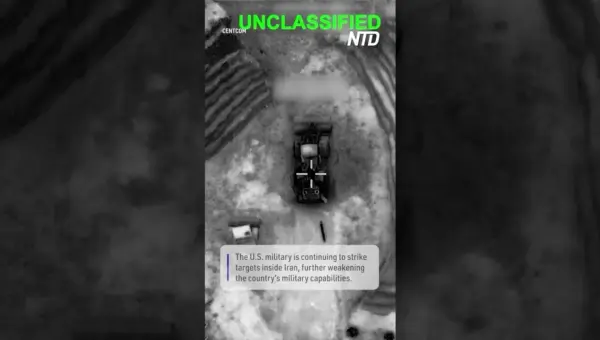
US Strikes Cripple Iran’s Military Might, CENTCOM Reports
U.S. Central Command reports ongoing strikes inside Iran are significantly weakening its military power. This direct action aims to reshape regional security dynamics, but carries risks of escalation. The long-term impact depends on Iran's response and ability to adapt.

U.S. Iran Tensions Rise Amid Shifting Alliances
Rising tensions between the U.S. and Iran are creating a volatile geopolitical situation. With conflicting signals on de-escalation and potential shifts in alliances like NATO and U.S.-Israel relations, the path forward remains uncertain. The global economy and regional stability hang in the balance.
Ukraine Strikes Russian Oil Refinery, Eyes Iran Threat
Ukrainian forces struck a key Russian oil refinery, disrupting Moscow's war capabilities. Meanwhile, Finland's president urged continued U.S. support for Ukraine, as Kyiv shares its air defense expertise globally amid growing geopolitical complexities involving Iran and potential sanctions against Hungary.