Trump Pushes Voter ID Law Amid Global Crisis
The U.S. Senate is set to debate Donald Trump's priority, the Save America Act, requiring proof of citizenship and photo ID for voting. Critics argue the bill, pushed amidst global crises, serves as voter suppression rather than addressing pressing national issues.

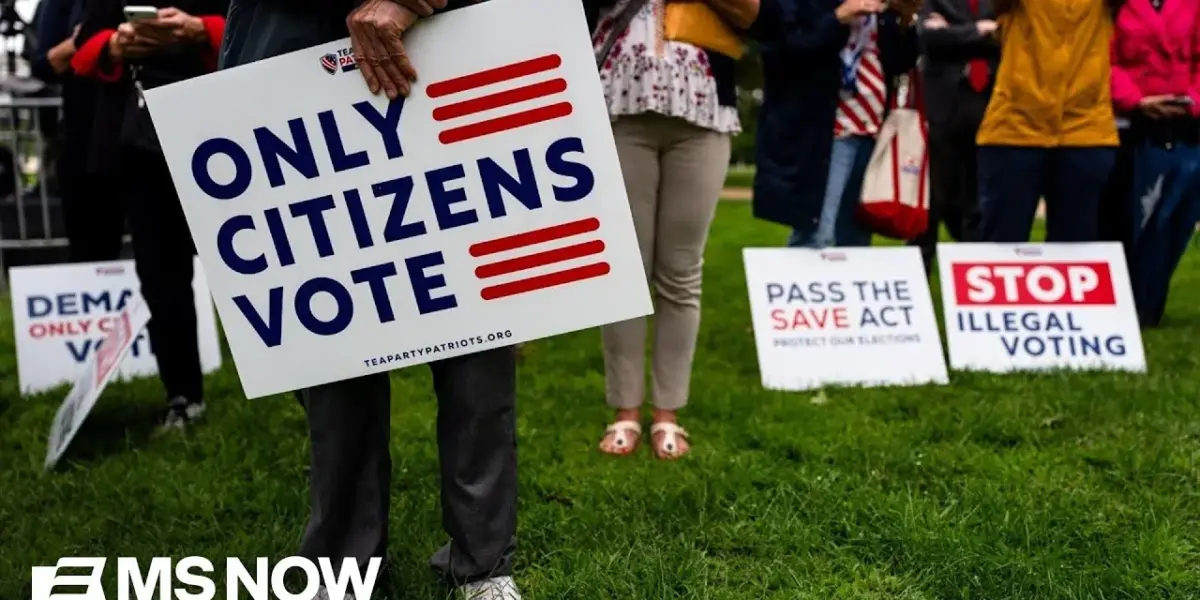
Senate Debates Trump’s Voter ID Push Amid War and Economic Woes
Washington D.C. – The U.S. Senate is set to begin debate this week on a sweeping voter identification bill, a top priority for former President Donald Trump, known as the Save America Act. The legislation proposes requiring proof of citizenship for voter registration and a photo ID at the ballot box. This push comes at a time of significant global and domestic turmoil, including an ongoing war in Iran and rising gas prices, leading critics to question the timing and priorities of the Republican party.
Deep Divisions Emerge Over Filibuster and Bill’s Passage
The Save America Act faces a divided Republican party and united opposition from Democrats. While Republicans are largely expected to support the bill’s intent, there is significant disagreement within the party regarding the potential elimination of the Senate filibuster to pass the legislation. Democrats have uniformly condemned the bill, labeling it as voter suppression.
“We are going to see a lot of speeches. We’re going to see a lot of Republicans, you know, giving very impassioned speeches about how this is absolutely necessary to safeguard the integrity of our elections. We’re going to see a lot of Democrats calling this voter suppression,” explained McKay Coppen, a staff writer at The Atlantic, who is closely observing the proceedings.
Coppen further noted that the bill is unlikely to pass under current Senate rules, which require 60 votes to overcome a filibuster. This presents a dilemma for Trump and his allies: either abandon the bill or push to dismantle a long-standing Senate tradition that many institutionalist Republicans cherish.
Examining the Bill’s Provisions and Potential Impact
The proposed legislation goes beyond typical voter ID laws by requiring proof of citizenship, such as a birth certificate or passport, for voter registration. This stipulation has raised particular concern among Democrats, as a significant portion of the American population lacks readily accessible documentation.
According to survey data cited in the discussion, nearly 3 million Americans do not possess a government-issued photo ID, and an estimated 20 million lack easy access to passports or birth certificates. The groups most likely to be affected are individuals from immigrant families and younger Americans whose documents may still be with their parents. These demographics are also those where Republican support has reportedly eroded significantly since 2024.
A Strategic Move to Suppress Votes?
The timing and nature of the Save America Act have led to speculation that its primary purpose is not to garner popular support but to strategically limit access to the ballot for voters unlikely to support Republican candidates.
“It is a logistical tactic. It’s not a popularity or political messaging tactic,” Coppen stated, characterizing the bill as a “logistical nightmare.” He elaborated that Republicans are pursuing this measure because they believe it will “limit access to voting for people who are unlikely to vote for them.”
This approach is seen by some as a stark contrast to the pressing issues facing the nation, such as the war in Iran, surging gas prices, and rising healthcare costs, which are likely more immediate concerns for the average American voter. Some House Republicans have even threatened to block all other legislation until this voter ID measure is passed, further intensifying the focus on this single agenda item.
A Striking Political Dynamic: The President and the Speaker
In a separate, peculiar moment, President Trump and Speaker of the House Mike Johnson were observed discussing a Republican congressman’s serious health issue. The transcript reveals an exchange where the President seemingly prompted Speaker Johnson to recount a story that flattered Trump’s involvement in securing medical assistance for Congressman Neal Dunn of Florida.
The anecdote involved Congressman Dunn receiving a grim, potentially terminal diagnosis, after which Trump reportedly intervened by involving presidential doctors, leading to emergency surgery and a recovery. While the story highlights Trump’s alleged helpfulness, it also exposed a striking power dynamic between the President and the Speaker.
“In there, you really see the speaker of the House diminished in a way that I think is really striking. He looks like he’s just another Trump aide or lackey who, you know━he’s setting up to tell a nice story about himself,” observed Coppen. He added that this interaction “emblematizes what has happened in Washington with Congress really being reduced, shirking its responsibilities, and allowing the president to kind of take over.”
Looking Ahead: Will the Bill Pass or Fade?
The coming days in the Senate will be crucial in determining the fate of the Save America Act and the broader implications for the Republican party’s legislative agenda. The deep divisions over the filibuster and the bill’s controversial provisions suggest a challenging path forward. Whether the party can unite to push this priority through, potentially at the cost of Senate tradition, or whether it will be sidelined by more pressing national concerns remains to be seen. The outcome could significantly shape voter access and the political landscape heading into future elections.
Source: 'Read the room moment': Trump pushes voter ID law amid Iran war (YouTube)

Related Articles

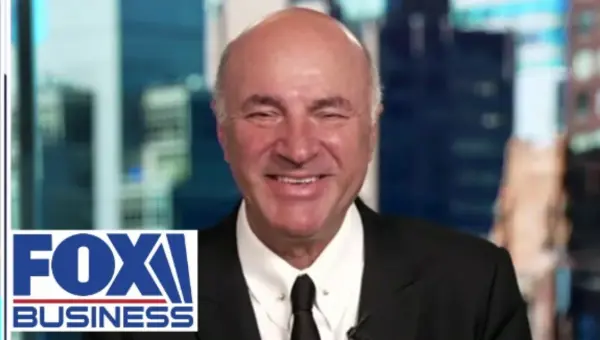
Voter ID: Common Sense or Suppression?
A growing debate surrounds voter ID laws, with proponents calling them a common-sense measure against fraud and opponents fearing voter suppression. Many countries and U.S. states already require ID to vote.
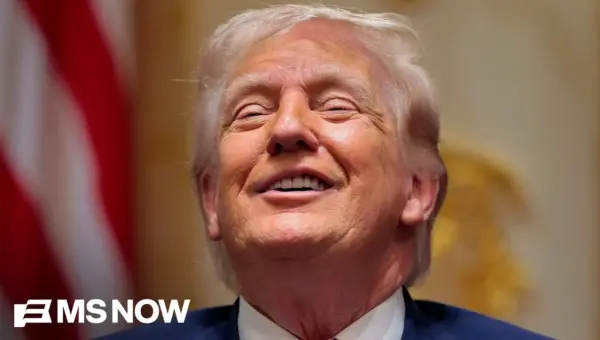
Trump’s Name Everywhere: A ‘Stain’ on GOP Legacy?
Former President Donald Trump's efforts to brand national symbols, including a proposed signature on dollar bills, spark debate. Critics view this as an authoritarian attempt to embed his legacy, potentially staining the Republican Party's history and contrasting with democratic ideals of public ownership.

Trump’s War Talk Stuns Financial Crowd
Donald Trump's recent speech in Miami focused on his foreign policy, particularly his critical views on NATO and his vision for international relations. He declared the U.S. would no longer defend NATO allies, questioned the value of existing alliances, and suggested renaming the Strait of Hormuz. The speech also touched on his personal views of success, his allies, and his perceived role as a global peacemaker.