Trump Pushes Ukraine Peace, Russia Plays for Time
Former President Trump has urged for an end to the Ukraine war within a month, offering security guarantees. Meanwhile, Russia remains skeptical of direct talks, and Hungary's veto of EU funding complicates aid efforts. The conflict's integration into Russia's election strategy suggests a prolonged war, while new U.S. tariffs impact Ukrainian exports.

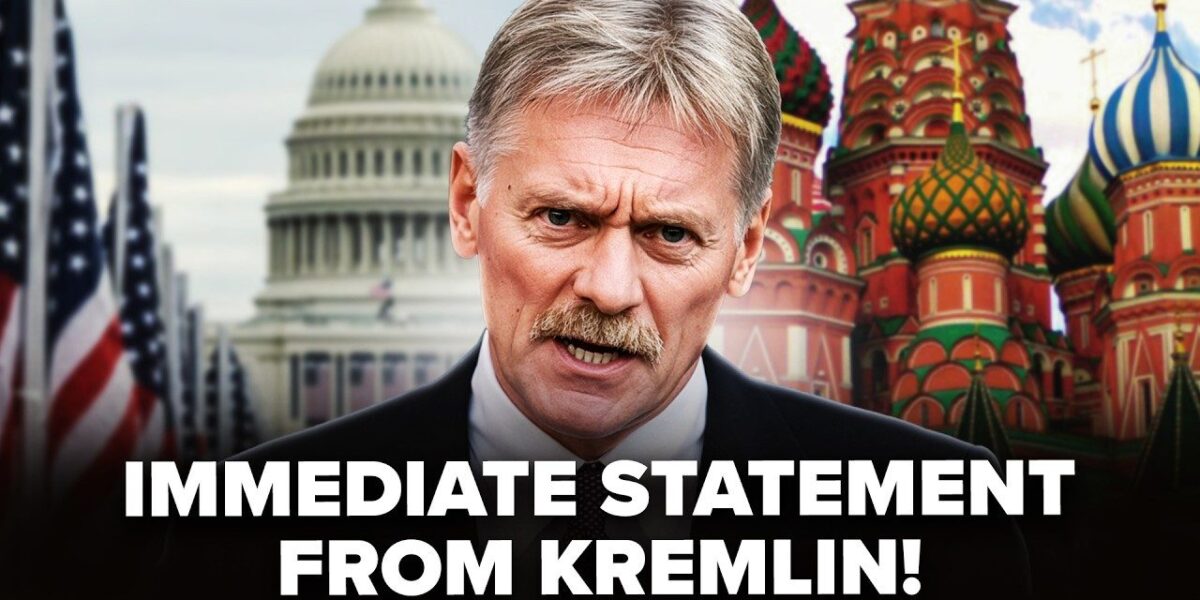
Trump Urges Swift End to Ukraine War, Offers Security Guarantees
Former U.S. President Donald Trump has reportedly called for an end to the war in Ukraine within a month, according to sources cited by Exus and corroborated by two additional informed individuals. The statement was made during a phone call with Ukrainian President Volodymyr Zelenskyy on February 25th. The conversation, described as friendly and positive, saw Zelenskyy express gratitude for U.S. support and acknowledge America’s pivotal role in pressuring Moscow. Trump, emphasizing the conflict’s prolonged duration, conveyed his hope for a resolution within the month and affirmed the U.S.’s readiness to provide significant security guarantees to Ukraine as part of a potential peace deal with Russia.
Diplomatic Maneuvers and Russian Skepticism
Following the call, U.S. officials Steve Vitkov and Jared Kushner joined discussions with Zelenskyy. The Ukrainian president outlined key points addressed, including preparations for bilateral meetings in Geneva and upcoming trilateral talks at the start of March, which are expected to pave the way for leader-level negotiations. Zelenskyy stated, “President Trump supports this sequence of steps. Only through this approach can all complex and sensitive issues be resolved and the war finally brought to an end.”
However, the Kremlin has expressed skepticism regarding the prospect of a direct meeting between Russian President Vladimir Putin and Zelenskyy. Kremlin spokesperson Dmitry Peskov remarked that Ukraine’s recent statements do not warrant analysis and questioned the sense of a high-level meeting given Zelenskyy’s current stance. Russian state media has amplified this sentiment, suggesting that Ukraine’s stated positions on non-negotiables and future plans render extensive analysis unnecessary, leading to doubts about the feasibility of a summit.
Optimism Amidst Stalled Negotiations
Despite Moscow’s reservations, U.S. special envoy Steve Vitkov remains optimistic about the peace process. He indicated that potential breakthroughs could occur in the coming weeks, with proposals put forth by himself and Jared Kushner aiming to bridge the gap between Ukraine and Russia, possibly culminating in a summit between Zelenskyy and Putin. A trilateral meeting involving former President Trump has also been floated as a possibility.
Meanwhile, Ukrainian President Zelenskyy declared a victory for Ukraine, asserting that Russia has failed in its objectives to occupy the country, remove its government, or alter its geopolitical course. He told Fox News, “Russia has failed to occupy Ukraine and the country remains unbroken. Despite the aggression, Ukraine has preserved its independence, freedom, and geopolitical course. Its flag remains intact, the nation unchanged, a clear victory that Ukrainians can be proud of.”
Zelenskyy Accuses Russia of Stalling Tactics
Zelenskyy believes that Putin is leveraging the negotiation process to advance Russia’s offensive goals. He suggested that the Kremlin is manipulating the U.S., including President Trump, to delay substantive negotiations. According to Zelenskyy, Putin primarily responds to strength, adopting a polite demeanor with American officials while using the dialogue to stall and maneuver for strategic advantage. The Kremlin, conversely, continues to adhere to its hardline demands, deliberately prolonging the process and seeking to gain time, showing no signs of readiness for meaningful peace talks and appearing prepared for a protracted conflict.
Kremlin’s Election Strategy and Prolonged War Outlook
Analysts at the Institute for the Study of War (ISW) highlight significant internal disagreements within the Kremlin regarding peace talks. Moscow’s insistence on the legal recognition of occupied Ukrainian territories and its demand that Ukraine abandon NATO aspirations present substantial obstacles to concessions. Furthermore, political strategists close to the United Russia party suggest that the military conflict is being integrated as a central theme for the upcoming State Duma election campaign in December.
The ISW report indicates that the Kremlin does not anticipate a swift end to the war and is unlikely to alter its strategy, even amidst potential political shifts. The war’s incorporation into the Kremlin’s election strategy, favoring candidates with hardline pro-war stances, suggests Moscow’s intention to continue military operations at least through the autumn and potentially longer. Russia’s actions are seen as an effort to slow down negotiations, buy time, and improve its battlefield positions while maintaining the facade of dialogue. Talks are being used as a tool to manage developments and prevent unfavorable outcomes for Russia.
Hungary’s Veto and Energy Security Concerns
Hungarian Prime Minister Viktor Orbán has taken a confrontational stance, sending an open letter to President Zelenskyy accusing Ukraine of acting against Hungary’s interests. Orbán claimed that over the past four years, Ukraine has disregarded Hungary’s sovereign position regarding the war and alleged that Zelenskyy has attempted to drag Hungary into a conflict with Russia. Orbán also accused Zelenskyy, Brussels, and Hungary’s domestic opposition of conspiring to install a pro-Ukraine government in Budapest.
A significant point of contention is the Druzhba oil pipeline, which Orbán described as critical to Hungary’s energy security. He accused Zelenskyy of taking actions that have weakened the pipeline’s functionality, framing it as a direct threat to Hungary’s national interests. “In recent days, you’ve blocked the Friendship Oil Pipeline, which is critical to Hungary’s energy supply. Your actions are against Hungary’s interests and endanger the secure and affordable energy supply of Hungarian families,” Orbán stated, urging Zelenskyy to reverse his “anti-Hungarian policy” and immediately reopen the pipeline.
EU’s Dilemma Over Funding and Orban’s Leverage
Hungary’s actions have extended to blocking a €90 billion EU loan package for Ukraine, following its refusal to support key documents approved by the European Parliament. This move has created concerns within the EU regarding the extent of pressure to be applied on Orbán, with fears that it could be counterproductive, especially ahead of Hungarian elections. EU officials are reportedly exploring compromises that would allow Orbán to save face domestically, potentially enabling him to lift the veto without escalating into a full legal confrontation.
Sources within the EU suggest that assurances related to the Druzhba oil pipeline could be part of such a compromise. The EU faces a difficult situation: Ukraine is approaching a severe financial crisis, while Brussels is reluctant to grant Orbán a political victory before the elections. Without a breakthrough, Ukraine could face a funding shortfall as early as April, coinciding with the Hungarian elections. Orbán’s veto has generated frustration, with European Council President Charles Michel warning that Hungary’s actions could violate the EU principle of sincere cooperation, potentially leading to Article 7 proceedings that could strip Budapest of its voting rights. However, many EU diplomats are hesitant to pursue legal avenues due to their slow nature and political risks, favoring instead political pressure and persuasion.
Impact of US Tariffs on Ukrainian Exports
Ukraine is also grappling with the consequences of new tariffs introduced by the Trump administration. Following an increase in EU tariff rates on February 24th, Ukrainian exports now face significant trade restrictions. A February report by the European Bank for Reconstruction and Development (EBRD) indicates that Ukraine’s average EU import tariff has risen to 20.3%, up from 16.6%. While tariffs increased across many EBRD-operating countries, Ukraine is among the five nations experiencing the sharpest rise, alongside Armenia, Egypt, Kenya, and Kosovo.
This tariff overhaul follows a U.S. Supreme Court ruling that limited the use of emergency powers for imposing reciprocal tariffs. In response, Trump announced a new global tariff of 10%, with indications it could rise to 15%. Ukrainian exports to the U.S. in 2024 totaled $874 million, primarily in iron and steel pipes, with over 600 product categories exceeding $1 million in value. However, imports from the U.S. into Ukraine are considerably higher, reaching $3.4 million.
Looking Ahead
As diplomatic efforts continue, the coming weeks will be critical in determining whether a genuine path to peace emerges or if the conflict further solidifies into a protracted war. The interplay between U.S. diplomatic initiatives, Russian strategic maneuvering, and European political dynamics, particularly Hungary’s stance and its impact on EU aid, will be closely watched. Furthermore, the evolving trade landscape, including U.S. tariffs, adds another layer of complexity to Ukraine’s economic resilience and its ability to sustain its defense efforts.
Source: ⚡️URGENT statement from Kremlin! Peskov BURST OUT with remarks about a MEETING Putin and Zelenskyy (YouTube)

Related Articles

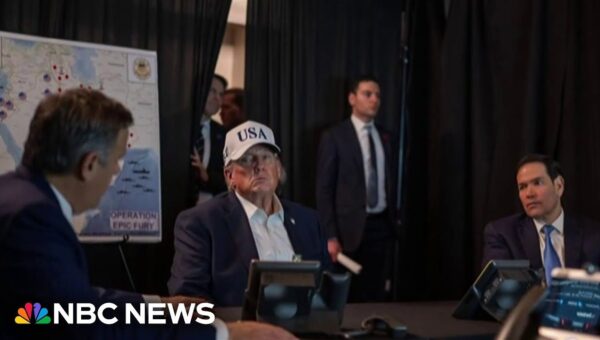
Trump: Iran Strikes Ahead of Schedule, Expects ‘Great Deal for World’
Three U.S. service members have been killed amid escalating conflict with Iran, President Trump confirmed. He stated that strikes are ahead of schedule, with senior Iranian leaders killed, and expressed optimism for a "great deal for the world" despite ongoing talks with Iranian officials.
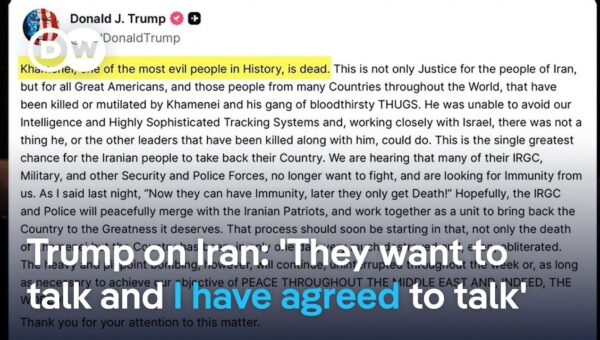
Trump Agrees to Talks with Iran After Major Strikes
President Donald Trump has agreed to talks with Iran's leadership following coordinated strikes that reportedly killed key figures, including the Supreme Leader. While Trump claims significant military successes, U.S. strategy remains unclear, and public opinion shows limited support for the actions amid rising American casualties.
Trump’s Putin Stance: US Strategy and Global Implications
Analysis suggests Donald Trump's approach to the Ukraine war involves pressuring Kyiv, but US involvement is crucial for resolution. China's influence and the 'MAGA' agenda's geopolitical implications are key factors.