Trump Pushes SAVE Act: Democrats Call It ‘Let Them Eat Cake’ Moment
Former President Donald Trump has made the SAVE Act his top legislative priority, asserting it will guarantee Republican midterm victories. However, Democratic strategists decry the act as voter disenfranchisement, comparing it to a 'let them eat cake' moment disconnected from the struggles of ordinary Americans.

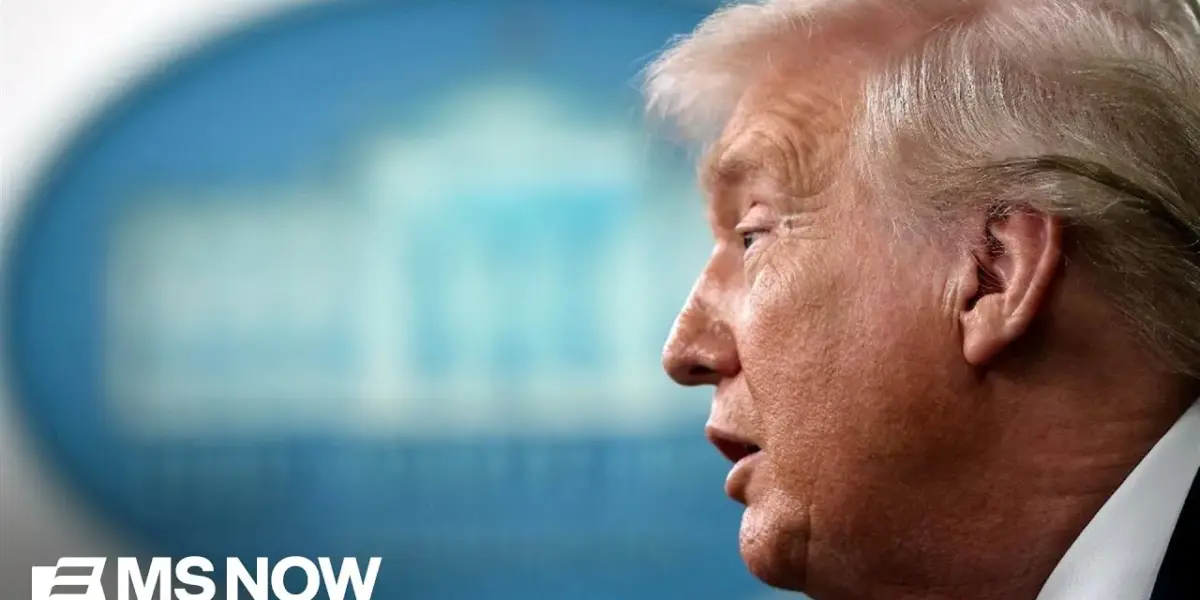
Trump Elevates SAVE Act to Top Republican Priority Ahead of Midterms
In a bold strategic move, former President Donald Trump has declared the SAVE Act as the paramount legislative priority for Republicans heading into the crucial midterm elections. Trump asserts that the passage of this act is essential for securing Republican victories, suggesting it will “guarantee the midterms” for the party.
Democratic Strategists Criticize SAVE Act as Disenfranchisement Tactic
The push for the SAVE Act has drawn sharp criticism from Democratic strategists, who view it not as a measure to improve election integrity, but as a thinly veiled attempt at voter suppression. Cornell Belcher, a Democratic strategist and pollster, described Trump’s focus on the act as a “let them eat cake moment,” arguing it is “callous and so disconnected from the reality of working people and what they’re struggling with right now in America.”
“What he’s talking about, what guarantees Republicans a victory in the election is because it’s voter disenfranchisement. He’s talking about disenfranchising millions and millions of voters,” stated Belcher during a recent political analysis.
Belcher elaborated that the fundamental principle of democracy relies on accountability: elected officials should enact policies that voters desire. He contends that Republicans have failed to deliver on the public’s priorities, such as addressing the rising cost of living and healthcare expenses, and are instead focusing on measures that could limit citizens’ ability to vote.
Details of the SAVE Act Remain Contentious
While the Trump campaign highlights voter ID as a key component of the SAVE Act, critics argue that the bill’s substance extends far beyond this. Jonathan Lemire, a political analyst, noted that Trump is positioning the SAVE Act as the number one piece of his legislative agenda, even suggesting he would withhold endorsements from Republican candidates who do not support it. Furthermore, Trump has indicated a willingness to abolish the filibuster to ensure the bill’s passage, a stance that has met resistance from Senate Majority Leader Chuck Schumer, who is described as an “institutionalist” concerned about future Democratic agendas.
Cornell Belcher expressed concern that the headline of voter ID is being used to mask more “diabolical” provisions within the bill. “This is not about voter ID at all. It’s much more, uh, it’s much more diabolical simply than simply voter ID. And we know the types of people who are going to be hurt most by this. And these are typically people who are, who are, who are on the lower income scale, women voters and minority voters,” Belcher explained. He also pointed to other provisions within the bill that he claims have nothing to do with elections, such as referencing transgender surgeries, suggesting a broader, more controversial agenda is being advanced under the guise of election reform.
Republican Senate Map and Potential Challenges
The political calculus behind Trump’s emphasis on the SAVE Act is rooted in the belief that its restrictive measures would suppress the vote, particularly among Democratic-leaning demographics, thereby improving Republican chances in the upcoming elections. Analysts from both parties anticipate a challenging midterm landscape for the GOP, with the House widely expected to fall to Democrats, while the Senate remains a toss-up. Despite an unfavorable map for Democrats in the Senate, the race is undeniably close.
The Broader Implications for Democracy
The debate over the SAVE Act highlights a fundamental disagreement about the nature of electoral processes and the role of government. While proponents suggest measures like voter ID are crucial for ensuring election integrity, opponents argue that such measures disproportionately affect marginalized communities and serve to disenfranchise voters. The focus on restricting voting access, rather than addressing pressing economic and healthcare concerns, is seen by critics as a significant disconnect from the needs of the average American.
Looking Ahead: The Fight for Voting Rights
As the midterm elections draw nearer, the battle over voting access is expected to intensify. The SAVE Act, and the political strategies surrounding it, will likely remain a central point of contention. The willingness of Senate leadership to consider procedural changes like eliminating the filibuster, coupled with Trump’s unwavering support, signals a high-stakes confrontation. The outcome of this legislative fight, and the public’s reaction to it, could have significant implications for the future of voting rights and the political landscape in the United States.
Source: Trump touting SAVE Act as top priority is a 'let them eat cake moment': Dem strategist (YouTube)

Related Articles
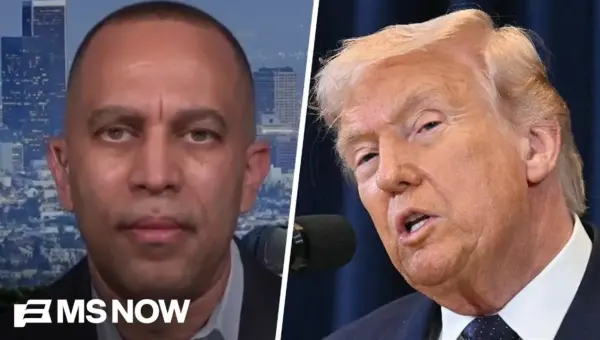
Jeffries Slams Trump’s Billions Spent on Iran War
House Minority Leader Hakeem Jeffries criticizes President Trump for spending billions on the Iran conflict while ignoring domestic affordability issues. Democrats are poised to scrutinize any requests for additional war funding, emphasizing the administration's lack of a clear strategy and exit plan.


GOP Leaders Falter as Trump’s Grip Loosens Amidst Crisis
Republican leaders appear to be losing control as Donald Trump's influence wanes amidst escalating crises. This analysis explores the party's attempts to manage narratives through deflection and strained defenses, contrasting with the stark economic realities faced by Americans and the enduring importance of congressional oversight.

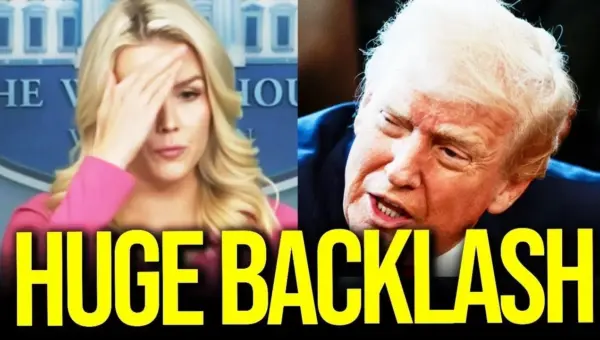
Karoline’s Trump Admission Rocks Political Landscape
A surprising admission from an individual named Karoline, analyzed by Adam Mockler of MeidasTouch, has caused a stir. This event highlights the significance of unexpected revelations in shaping political narratives and public perception.