Trump Pushes NATO for Iran Action Amid Ceasefire Fears
President Trump has issued stern warnings of stronger military action if a fragile ceasefire in the Middle East is violated, particularly by Iran. He is also criticizing NATO allies for not contributing enough to regional security. The U.S. is maintaining its military assets in the region, poised for further strikes.

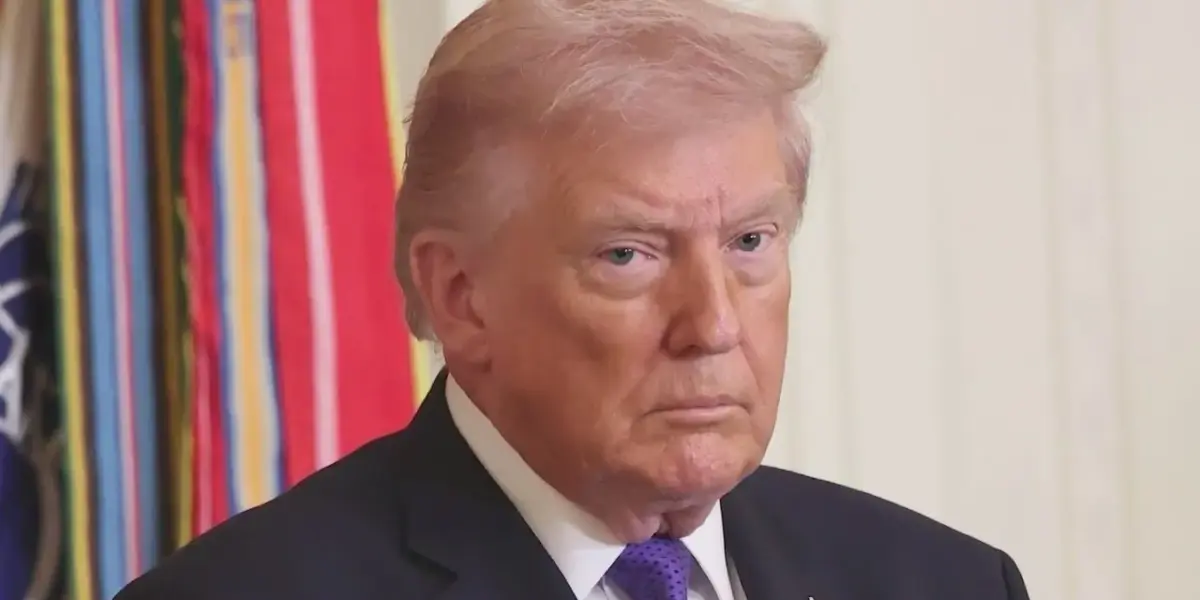
Trump Warns of Stronger Strikes as Iran Ceasefire Falters
President Trump is signaling that the United States is ready to launch bigger and stronger military actions if necessary. This warning comes as a fragile ceasefire in the Middle East faces serious doubts. The U.S. military presence will remain in the region, poised for further strikes until all parties honor the truce. This stance echoes recent statements from the Defense Secretary and other top U.S. officials.
U.S. Demands and Iran’s Nuclear Ambitions
On his social media platform, Truth Social, President Trump made his position clear. He stated that if a deal is not reached for any reason, or if it is broken, the U.S. will respond with overwhelming force. The key U.S. demand is that Iran must not pursue nuclear weapons. Any move in that direction would be seen as a violation and a guarantee of further action.
Administration officials describe the current ceasefire as vulnerable and fragile. Press Secretary Karoline Leavitt mentioned yesterday that all ceasefires begin this way. Both sides must watch each other closely to ensure promises are kept. Vice President Vance echoed this sentiment, calling ceasefires inherently messy. He pointed out that Iran launched missiles shortly after the ceasefire announcement, followed by responses from Israel and some Gulf Arab states.
Ceasefire Violations Raise Concerns
The reason for the U.S. concern is clear: evidence suggests Iran may have broken the ceasefire within hours of its agreement. Reports indicate Iran launched several volleys of strikes against U.S. allies in the region and several Arab countries. Additionally, Israel’s continued strikes in Lebanon are noted. These actions by Iran and Israel put the current deal at risk, according to White House officials.
Trump’s NATO Critique and Regional Stability
President Trump has also renewed his criticism of NATO, questioning its role and support in potential conflicts involving Iran. He suggests that NATO members should be contributing more to regional security, especially concerning Iran’s actions. Trump has previously expressed frustration that the U.S. bears a disproportionate burden in maintaining Middle East stability, while allies do not contribute enough.
His critique implies that a stronger, more unified NATO response could deter Iranian aggression and help enforce ceasefires more effectively. This perspective challenges the traditional U.S. role as the primary security guarantor in the Gulf and calls for a rebalancing of responsibilities among allies. The ongoing tensions highlight the complex web of alliances and rivalries in the Middle East.
Historical Context: A Pattern of Conflict
The current situation echoes past periods of heightened tension and conflict in the Middle East. The U.S. has long been involved in efforts to manage regional instability, often through military presence and diplomatic pressure. Past agreements and ceasefires have frequently been tested, demonstrating the difficulty of achieving lasting peace in the region.
President Trump’s approach, emphasizing strong deterrence and demanding greater burden-sharing from allies, is consistent with his previous foreign policy actions. His administration often prioritized bilateral deals and direct pressure over multilateral agreements, seeking to reshape international alliances to better serve perceived U.S. interests.
Economic Factors and Geopolitical Stakes
The economic implications of regional instability are significant. Control over vital energy routes, such as the Strait of Hormuz, is a constant concern. Disruptions to oil supplies can impact global markets and economies. Sanctions have also been a key tool in U.S. foreign policy toward Iran, aiming to curb its nuclear program and regional influence.
The effectiveness and impact of these economic measures are continually debated. Iran’s economy is heavily reliant on oil exports, making it vulnerable to sanctions but also giving it leverage in energy markets. The complex interplay of military power, economic pressure, and diplomatic maneuvering defines the geopolitical landscape.
Global Impact: A Shifting World Order?
The events in the Middle East, coupled with President Trump’s stance on NATO and international alliances, signal a potential shift in the global order. His focus on national interests and a more transactional approach to alliances challenges the post-World War II security architecture. If U.S. allies do not increase their contributions, it could lead to a more fragmented and less predictable international system.
This could empower regional powers to exert greater influence and potentially create new security arrangements. The world is watching to see if the current fragile ceasefire holds and what President Trump’s administration will do next. The stability of the Middle East remains a critical global concern, with far-reaching consequences for energy markets, international security, and diplomatic relations worldwide.
Future Scenarios
Several future scenarios are possible. One is that the ceasefire holds, leading to de-escalation and renewed diplomatic efforts. Another is that violations continue, resulting in renewed U.S. military strikes against Iran and its proxies. A third scenario involves a broader regional conflict, drawing in more actors. The likelihood of each depends on the actions of Iran, Israel, the U.S., and other regional players.
Source: Trump again slams NATO over Iran war support amid shaky ceasefire | Morning in America (YouTube)

Related Articles
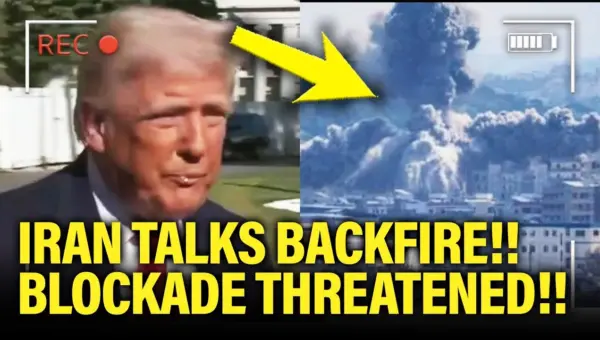
US-Iran Talks Collapse Amid Threats, Escalating Tensions
U.S.-Iran negotiations in Pakistan have collapsed following alleged U.S. attempts to alter a prior agreement. This breakdown has led to threats of a naval blockade and raises concerns about global economic stability and shifting geopolitical alliances, particularly regarding China's growing influence.
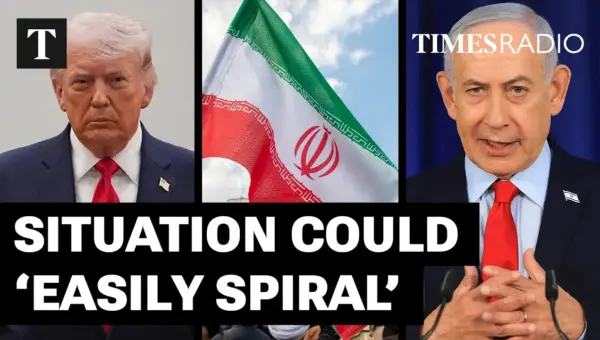
Middle East Conflict Risks ‘Easily Spiral Out Of Control’
Diplomatic efforts between the U.S. and Iran have stalled amid deep mistrust, raising concerns that the Middle East conflict could "easily spiral out of control." Talks in Islamabad ended without progress, while the Strait of Hormuz remains a critical flashpoint. Experts warn of potential escalation, including naval blockades or a return to full hostilities.

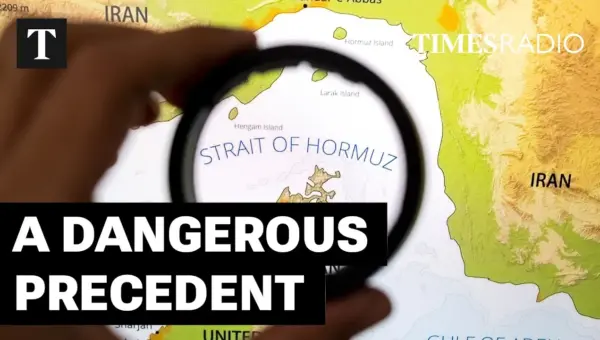
US Navy Clears Strait of Hormuz Mines Amid Tensions
The U.S. Navy has begun clearing sea mines in the Strait of Hormuz, a crucial global shipping lane, as commercial traffic remains critically low. Experts warn that Iran potentially controlling the strait could set a dangerous precedent for global trade, leading to a "free-for-all" in vital waterways worldwide.