Trump Promises Strait of Hormuz Will Reopen Soon
Former President Donald Trump predicts the Strait of Hormuz will reopen soon, linking it to the absence of nuclear weapons. This crucial global oil transit point's stability impacts economies worldwide. Trump expressed confidence in U.S. military strength to ensure passage.

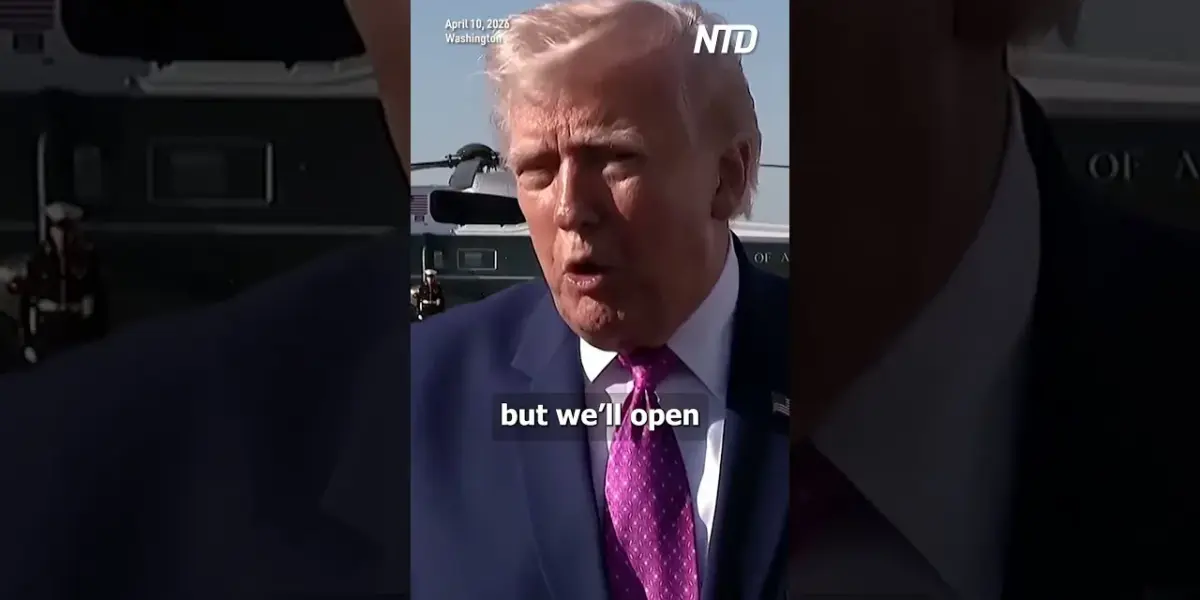
Trump Predicts Quick Reopening of Key Global Waterway
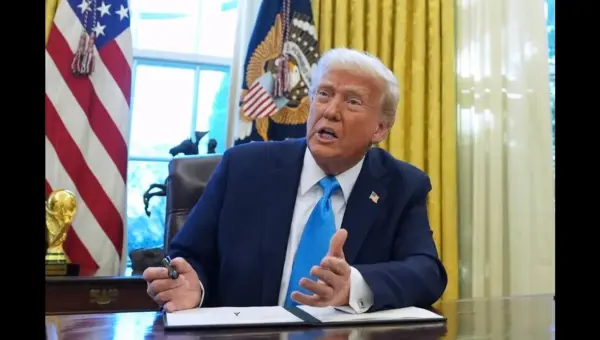
Former President Donald Trump recently stated that the Strait of Hormuz will be open for international shipping “fairly soon.” This busy waterway is crucial for global oil transport. Trump suggested that the reopening would happen automatically if certain conditions are met, particularly regarding nuclear weapons. He emphasized that the United States does not directly use the strait for its own needs but has an interest in keeping it open for other nations.
The Strait of Hormuz: A Vital Chokepoint
The Strait of Hormuz is a narrow channel connecting the Persian Gulf to the Gulf of Oman. It is one of the world’s most important oil transit points. About 20-30% of the world’s oil passes through this strait daily. Any disruption here can cause significant spikes in global oil prices and create international tension. Historically, its strategic importance has made it a focal point for geopolitical maneuvering and military presence.
Trump’s Conditions for Reopening
Trump linked the reopening of the Strait of Hormuz to the absence of nuclear weapons. He stated that preventing nuclear proliferation is the primary goal, describing it as “99% of it.” He believes that if this condition is met, the strait will naturally reopen because countries involved would then be able to make money. Trump also expressed confidence in the U.S. military’s ability to ensure the strait’s openness, suggesting that Iran’s military capabilities have been significantly weakened. He mentioned that the U.S. military has “degraded just about everything” and that Iran has “very few missiles” and limited manufacturing capacity.
International Diplomacy and Military Might
The former president indicated that other countries would also assist in keeping the strait open. He pointed out that the U.S. military’s role is to ensure passage, not necessarily for direct U.S. use of the strait. Trump suggested that the military’s actions have already been effective in weakening potential adversaries. He contrasted his approach with previous administrations, noting that others have engaged in lengthy talks for decades without achieving desired outcomes. Trump implied that his administration’s firm stance and military actions would lead to a quicker resolution.
“We will have that open fairly soon.” – Donald Trump
Why This Matters
The Strait of Hormuz is a critical artery for global commerce, especially for energy supplies. Any threat to its stability directly impacts economies worldwide. Trump’s assertion, if realized, could signal a de-escalation of tensions in a volatile region. It also highlights the ongoing debate about the role of the U.S. military in maintaining freedom of navigation in international waters. The effectiveness of sanctions and military pressure versus diplomatic negotiations remains a key discussion point.
Implications and Future Outlook
If the Strait of Hormuz does indeed reopen soon, it could lead to a stabilization of oil prices and reduce geopolitical anxieties. It might also be seen as a validation of Trump’s “maximum pressure” strategy. However, the long-term implications depend on the broader diplomatic framework. Without a comprehensive agreement addressing regional security, the risk of future disruptions remains. The emphasis on military strength and deterrence suggests a continued focus on power projection in international relations.
Historical Context
The Strait of Hormuz has been a site of international concern for decades. During the Iran-Iraq War in the 1980s, both sides targeted shipping in the strait, leading to increased naval presence by international powers. More recently, tensions between Iran and the U.S. have often centered on the strait’s security. Iran has, at times, threatened to close the strait in response to economic sanctions or military threats. The U.S. Navy routinely patrols the waters to ensure safe passage.
A Look Ahead
Trump’s comments suggest a belief that diplomatic and military actions have created conditions for the strait’s reopening. The focus on preventing nuclear weapons is presented as the key to unlocking this vital waterway. Whether this prediction comes to pass will depend on complex regional dynamics and the effectiveness of international cooperation. The outcome will undoubtedly shape discussions about energy security and foreign policy for years to come.
Source: US Will Have Strait of Hormuz ‘Open Fairly Soon,’ Trump Says (YouTube)

Related Articles
Trump Threatens Media Over Ceasefire Report
Donald Trump has escalated his conflict with CNN, threatening investigations after the network reported on Iran's claims regarding a ceasefire agreement. This action raises serious concerns about press freedom and potential government overreach.


Trump’s Iran War Fuels Inflation, Strains Alliances
Donald Trump's recent military actions in Iran are being blamed for a significant rise in U.S. inflation and increased gas prices, impacting consumer confidence. The conflict has also strained relationships with key international allies, leading to diplomatic friction and questions about the future of alliances like NATO.
MAGA Elite Rebel: Trump Battles His Own Loyalists
Donald Trump is facing a revolt from his own MAGA elite, including figures like Tucker Carlson and Alex Jones. The conflict erupted after Trump's comments on potentially threatening Iranian civilians, which even his loyalists found unacceptable. This internal dissent, backed by data from his own social media, signals potential cracks in his base.