Trump Predicts Higher Gas Prices Through Midterms
Former President Donald Trump indicated that gas prices may remain high through the midterm elections, possibly even increasing. Analysts predict elevated energy costs through the end of the year, linking current price hikes to geopolitical events and questioning the effectiveness of private sector solutions. The discussion also touched upon broader inflation issues, with suggestions to de-escalate conflicts and remove tariffs as potential remedies.

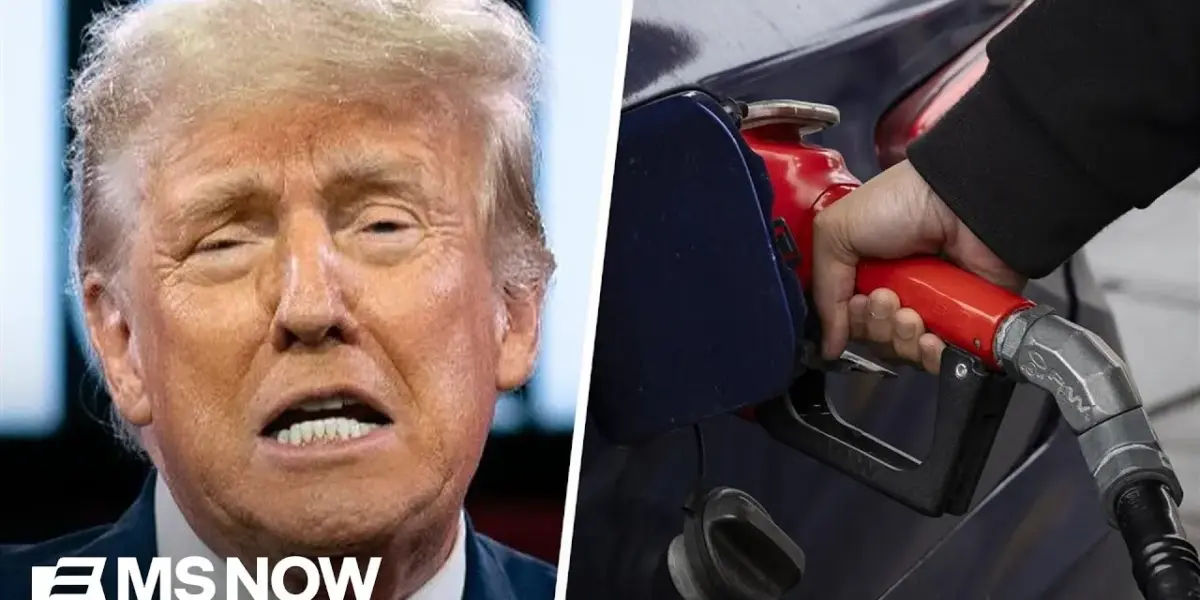
Trump Warns of Elevated Gas Prices Through Midterm Elections
Former President Donald Trump suggested that gas and oil prices may not decrease significantly by the upcoming midterm elections, stating there’s a possibility they could remain the same or even rise slightly. While acknowledging the uncertainty of his direct control over global energy markets, Trump expressed a hopeful outlook but tempered it with realism.
Expert Analysis: Prices to Stay High, Impact of War Questioned
Jared, an analyst, offered a stark prediction: energy prices are expected to remain elevated through the end of the current year. He noted that the national average for gas, which was around $3 per gallon before a recent conflict began, is now approximately $4.12. This indicates a substantial increase that is unlikely to reverse soon.
“The expectation is that we’re not going to get back to that $3 anytime this year, almost regardless of what happens.”
This phenomenon, often described as gas prices taking the “elevator up and the stairs down,” suggests a slow recovery, if any, to lower prices. Most forecasts anticipate prices staying in the mid-$3 range at best by year’s end, even with favorable outcomes.
White House Consults on Economic Impact
Reports indicate that President Trump and his advisors have been privately meeting with cabinet officials, political allies, and corporate leaders. These discussions focus on the potential economic fallout for both Wall Street and Main Street if the ongoing conflict does not conclude quickly. Many participants have cautioned against the possibility of a prolonged fight and have developed scenarios for such an outcome.
The White House has stated it is working with the private sector to lessen the disruptions caused by the current situation. However, the ability of the private sector to significantly alter these dynamics is limited. Some parts of the energy industry, particularly those involved in exporting refined products, are actually benefiting from the current market conditions, experiencing a sharp rise in profitability.
War of Choice and Energy Costs: A Direct Link
A rare point of discussion highlights a potential direct connection between presidential actions and energy costs. The analyst pointed out that the decision to engage in a conflict in a region known as a critical energy choke point, despite warnings, could directly contribute to upward pressure on oil and gas prices. This offers a clear example of how geopolitical decisions can influence everyday costs.
These increased energy costs have a ripple effect across the economy. As oil and gas prices rise, so do the costs of transporting goods, impacting the prices of nearly all products consumers purchase. This contributes to a broader feeling of expense across the board.
Inflation: The Economic Challenge of the Decade
The persistent problem of inflation is being called the economic challenge of the decade, according to Axios. Inflation saw a significant monthly increase in March, the largest since 2022. This raises questions about how to break the cycle of rising prices.
The analyst suggested that a key strategy in managing inflation is to “do no harm.” Inflationary pressures were reportedly already present before the recent conflict, partly due to trade policies like tariffs and increased production costs stemming from stricter immigration enforcement. These factors contributed to higher food prices even before the war.
“So I would think doing no harm, trying to dial back the war, which I suppose you could put the ceasefire under that rubric and certainly taking down the sweeping tariffs would be a step in the right direction.”
Specifically, the price of fertilizer, a significant portion of which is transported through a key waterway, is expected to contribute to future price increases. To address these underlying inflationary pressures, the analyst recommended de-escalating the conflict and removing broad tariffs, suggesting these actions could help move the economy in a more stable direction.
Looking Ahead: Policy and Price Stability
As the midterm elections approach, voters will be closely watching energy prices and the broader economic picture. The effectiveness of current policies in stabilizing costs and curbing inflation will likely be a key factor in political considerations. Future actions regarding international conflicts and trade policies could play a significant role in shaping both the economy and public sentiment in the coming months.
Source: Trump: Oil and gas prices could be higher by midterms (YouTube)

Related Articles

Trump Predicts Higher Gas Prices Ahead of Midterms
Former President Donald Trump suggested that gas prices might remain the same or even increase slightly before the midterm elections. He also raised concerns about the importance of a free and fair press.

Iran Conflict Escalates: Trump’s Aggression Fuels Global Unease
Recent talks between the U.S. and Iran have failed, escalating tensions. Despite military actions, Iran's capabilities remain a threat, and the goal of regime change appears distant. The unpredictable nature of President Trump's foreign policy adds to global unease.


Trump Details “Maximum Campaign” Against Iran
Former President Donald Trump detailed his "maximum campaign" strategy against Iran, focusing on crippling infrastructure like power plants and water facilities. Such actions could lead to significant global market impacts, including oil price spikes and increased volatility.