Trump Postpones China Trip: A Power Shift Emerges
President Trump's delay of his Beijing visit signals a significant shift in U.S.-China relations, moving beyond a simple scheduling change. Growing tensions over trade, Taiwan, and global energy routes highlight a new era of competition. China's leverage, particularly with rare earth minerals, is being tested as the U.S. adopts a firmer stance.

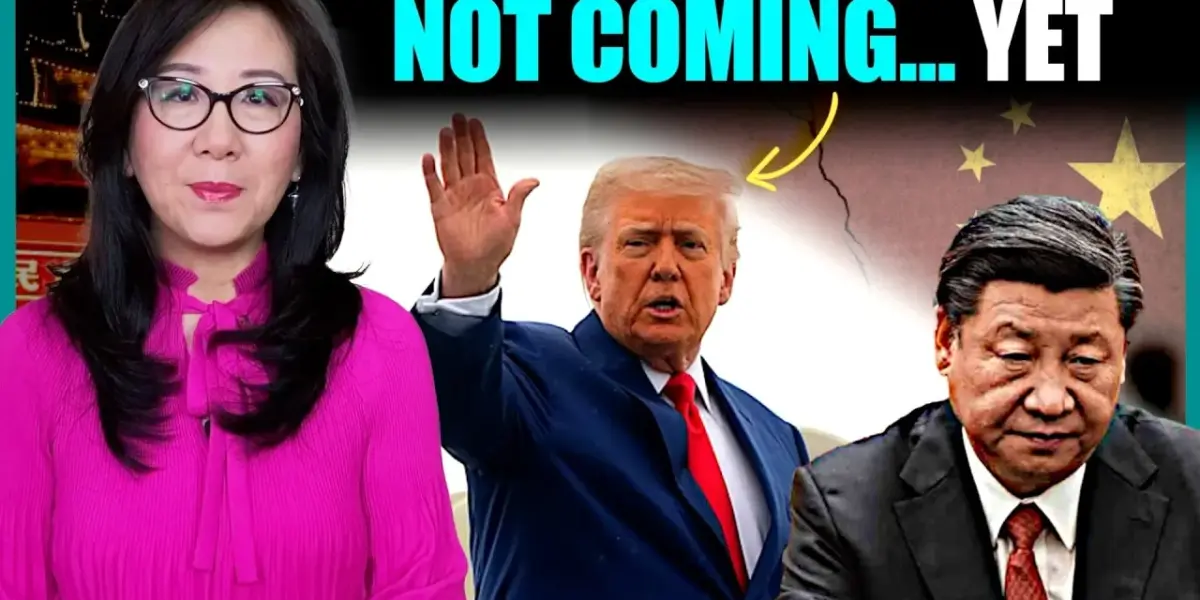
Trump’s China Visit Postponed: More Than Just a Schedule Change
President Donald Trump recently decided to delay his trip to Beijing. This wasn’t just a small scheduling hiccup. It signals a potential shift in the delicate balance between the United States and China. Tensions have been growing over important issues like trade, Taiwan, and the Strait of Hormuz. These are critical shipping lanes for oil. The postponement suggests something more significant is happening behind the scenes.
Why Was Trump Going to China in the First Place?
Initially, President Trump’s visit to China was planned to address ongoing trade disputes. The U.S. has been concerned about unfair trade practices. China has also faced criticism for its technology policies. A key goal was to secure economic benefits for the U.S. This included a potentially large deal for Boeing aircraft. Such deals are often used as bargaining chips in high-level diplomacy. They can signal goodwill or be used to pressure the other side.
What Changed to Cause the Delay?
Several factors likely contributed to the decision to postpone the visit. The ongoing trade war between the two countries has intensified. China’s actions regarding technology and intellectual property have also remained a point of contention. Furthermore, concerns about China’s growing influence in regions like the South China Sea and its relationship with countries like North Korea have added to the friction. The geopolitical climate became more complex, making the original timing less suitable for productive talks.
Beijing Under Pressure: Rare Earths and Chokepoints
The postponement puts Beijing in a more difficult position. China has a significant advantage in the global supply of rare earth minerals. These are crucial for making many high-tech products, from smartphones to military equipment. Beijing has hinted it could limit these exports. This would severely impact U.S. manufacturing. The U.S. and its allies are now looking for ways to reduce their dependence on China for these materials. This puts China in a vulnerable spot if they use this leverage too aggressively.
Diplomatic Optics and Economic Concessions
The way these high-level meetings look to the rest of the world matters. A postponed visit can be seen as a sign of disrespect or a lack of progress. For China, President Xi Jinping wants to project an image of strength and stability. A visit from the U.S. President is a major diplomatic event. If the visit was meant to secure major concessions, like the Boeing deal, and those concessions are now uncertain or withdrawn, it weakens China’s negotiating position. It suggests the U.S. is less willing to offer economic benefits without significant policy changes from China.
The Strait of Hormuz and Energy Security
The Strait of Hormuz is another area of tension. It’s a narrow waterway through which a large portion of the world’s oil passes. Iran has at times threatened to block this strait. The U.S. has a strong interest in keeping it open for global energy security. China is a major importer of oil, much of which passes through Hormuz. Any instability in the region directly affects China’s energy supply. This shared concern over energy routes can be a point of cooperation or further conflict, depending on how both countries approach it.
Why This Matters
This postponement is more than just a date change. It reflects a fundamental shift in the relationship between the two global superpowers. The U.S. appears to be taking a firmer stance on trade and security issues. China, while economically powerful, faces growing international scrutiny. The outcome of these tensions will affect global trade, technology development, and international security for years to come. It shows that the era of easy cooperation is over, and both nations are navigating a more competitive future.
Implications, Trends, and Future Outlook
The trend points towards increased economic and strategic competition. Countries are reassessing their supply chains and looking for alternatives to Chinese manufacturing. The U.S. is likely to continue pressuring China on trade imbalances and intellectual property theft. China, in turn, will likely seek to strengthen its domestic economy and secure vital resources. We might see more regional alliances forming to counter China’s influence. The future relationship will likely be characterized by strategic rivalry, with periods of cooperation on shared global challenges.
Historical Context
U.S.-China relations have always been complex, marked by periods of engagement and tension. After China opened its economy in the late 1970s, trade grew significantly. However, underlying political and ideological differences remained. The U.S. has often sought to integrate China into the global system, hoping it would lead to political liberalization. Instead, China has become an economic powerhouse while maintaining its political system. Recent years have seen a more assertive China on the world stage, leading to increased friction with the U.S. and its allies.
Looking Ahead: Xi Jinping and the CCP
For Chinese President Xi Jinping and the Chinese Communist Party (CCP), this period is critical. They aim to achieve national rejuvenation and solidify China’s global standing. The U.S. trade policies and international pressure challenge these goals. How Beijing responds to this pressure will shape its future domestic and foreign policy. The CCP’s ability to manage these external challenges while maintaining internal stability is key to its long-term success.
Source: Trump Postpones China Visit—And the Balance Just Shifted (YouTube)

Related Articles


Ukraine Strikes Russian Oil Refinery, Eyes Iran Threat
Ukrainian forces struck a key Russian oil refinery, disrupting Moscow's war capabilities. Meanwhile, Finland's president urged continued U.S. support for Ukraine, as Kyiv shares its air defense expertise globally amid growing geopolitical complexities involving Iran and potential sanctions against Hungary.

Polls Spell Doom: Republicans Face Voter Backlash
New polling data reveals a sharp decline in public confidence regarding the economic impact of Republican policies, particularly under Donald Trump. A significant majority now feel financially worse off, a trend that is especially pronounced among independent voters. This economic discontent poses a major challenge for the Republican party heading into future elections.

Iran’s Missile Threat Reduced by 90%, Analyst Says
An analyst reports that Operation Epic Fury has degraded Iran's missile launchers by 90%, despite challenges in targeting hidden sites. The conflict's duration and media coverage are also discussed, with implications for global energy markets and investor confidence.