Trump Pivots on Iran War, Signals Swift Exit
President Trump is set to address the nation on Iran, signaling a potential swift end to the conflict without a peace deal. This shift urges allies to take charge of their own security, particularly concerning oil routes, while Iran pledges to continue fighting.

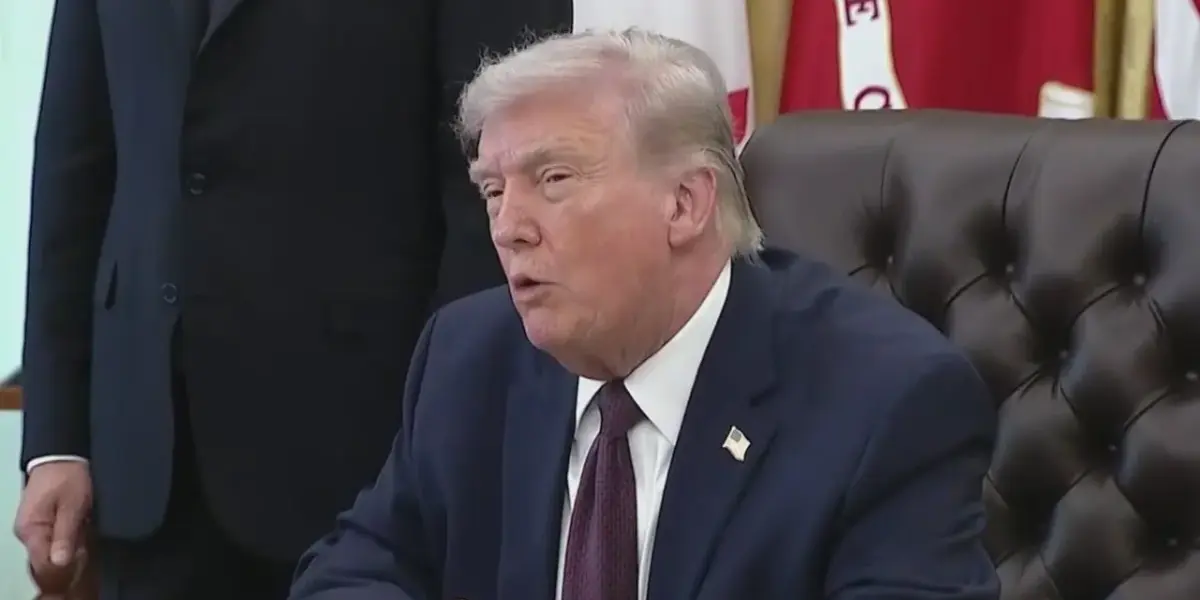
Trump Signals New Approach to Iran Conflict
President Trump is set to address the nation tonight in a prime-time speech, offering what the White House calls an “important update on Iran.” This announcement follows a significant shift in the President’s public statements regarding the ongoing conflict. He has recently suggested the war could conclude within two to three weeks, and notably, that a peace deal might not be necessary for U.S. forces to withdraw.
Shifting Timelines and Peace Deal Doubts
Speaking with reporters on Tuesday, President Trump repeatedly stated that the conflict would be over in a matter of weeks. He also indicated that the U.S. might not need to reach a formal peace agreement to end its involvement. This marks a departure from previous public statements, suggesting a potential acceleration of the U.S. withdrawal timeline.
Allies Urged to Self-Reliance
The President’s comments come after he advised U.S. allies to secure oil shipments through the Strait of Hormuz independently. He stated that the U.S. would not continue to provide security for these vital trade routes. Trump also told The New York Post that he does not see the need to reopen the Strait, emphasizing his primary goal in Iran was to prevent Tehran from obtaining nuclear weapons.
Iran’s Stance Amidst U.S. Signals
While President Trump appears to be signaling plans to conclude the war, Iran’s leadership has pledged to continue the fight. Iran’s President has reportedly demanded guarantees from the U.S. and Israel that they will not restart hostilities. This creates a complex dynamic as U.S. policy seems to be moving towards disengagement, while Iran signals a commitment to sustained conflict.
Global Impact: Shifting Regional Security
President Trump’s potential pivot away from a negotiated peace deal and towards a swift withdrawal could significantly alter the security landscape in the Middle East. The Strait of Hormuz is a critical chokepoint for global oil supplies, and any disruption could lead to significant price increases and economic instability worldwide. Allies who have relied on U.S. naval presence for freedom of navigation might need to reassess their own defense strategies and capabilities.
Historical Context: The Long Shadow of Regional Tensions
U.S. involvement in Iran and the wider region has a long history, marked by shifting alliances and persistent tensions. Decades of geopolitical maneuvering, including past conflicts and diplomatic efforts, have shaped the current situation. The Strait of Hormuz, in particular, has been a flashpoint for decades, with various actors seeking to control or influence this vital waterway. Past U.S. administrations have also grappled with balancing regional stability, counter-terrorism efforts, and preventing nuclear proliferation.
Economic Leverage: Oil and Trade Routes
The economic implications of the conflict and potential U.S. withdrawal are substantial. The Strait of Hormuz accounts for a significant portion of the world’s oil transit. If shipments are disrupted, global energy prices could skyrocket, impacting economies far beyond the immediate region. The U.S. has previously used sanctions as a tool to influence Iran’s behavior, and the effectiveness and future application of such measures remain a key factor in regional stability. Allies’ reliance on U.S. security guarantees for trade routes also represents a form of economic interdependence that could be tested.
Future Scenarios: Uncertainty and Risk
Several future scenarios are possible. One is that the U.S. withdraws as planned, leaving regional powers to manage security and potential conflict escalation independently. This could lead to increased regional rivalries and potential for localized wars. Another scenario involves Iran continuing its resistance, potentially leading to prolonged instability. A less likely scenario might see a last-minute diplomatic breakthrough, though current statements suggest otherwise. The situation remains fluid, with decisions made in Washington and Tehran having far-reaching consequences.
Source: 'Important update on Iran': Trump to address nation in prime-time speech | Morning in America (YouTube)

Related Articles

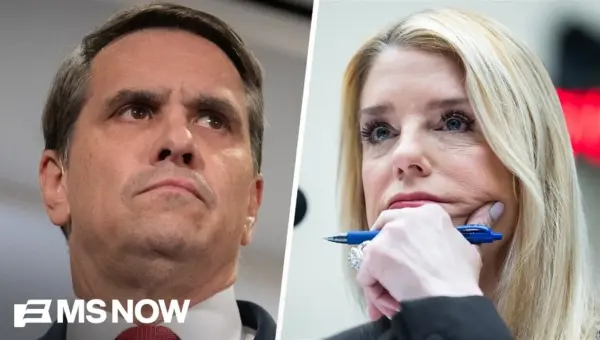
Attorney: Bondi’s Loyalty Was to Trump, Not Victims
An attorney for Jeffrey Epstein survivors criticizes a recently ousted official, alleging her loyalty was to Donald Trump, not the victims or the public. Spencer Kuvin calls for testimony under oath regarding federal law violations and unanswered questions about surveillance footage from Epstein's homes. Concerns are also raised about the interim replacement's past dealings with Ghislaine Maxwell.

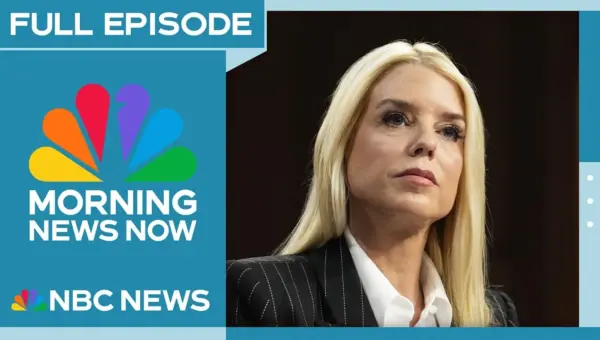
Trump Fires AG Bondi, Iran Tensions Rise, Artemis II Heads to Moon
Attorney General Pam Bondi has been fired by President Trump, with Deputy AG Todd Blanche stepping in as acting AG. Amidst rising oil prices and escalating tensions, the U.S. warns Iran as the Artemis II mission successfully heads towards the Moon. Golfer Tiger Woods was arrested for DUI and is stepping away for treatment.


China’s Global Reach Faces Setbacks Amidst Internal Turmoil
China's international influence is facing growing opposition and internal challenges. From strategic island disputes and diplomatic overtures towards Taiwan to domestic unrest and technological failures, Beijing's global ambitions are encountering significant setbacks. These events signal a complex geopolitical landscape where China's power is being tested on multiple fronts.