Trump Pauses Iran Strikes as Talks Yield Oil Shipments
President Trump has paused strikes on Iranian energy facilities for ten days as Iran offers oil shipments amid ongoing talks. The Pentagon is considering sending more troops, while domestic protests highlight divisions. The situation remains tense with significant economic stakes.

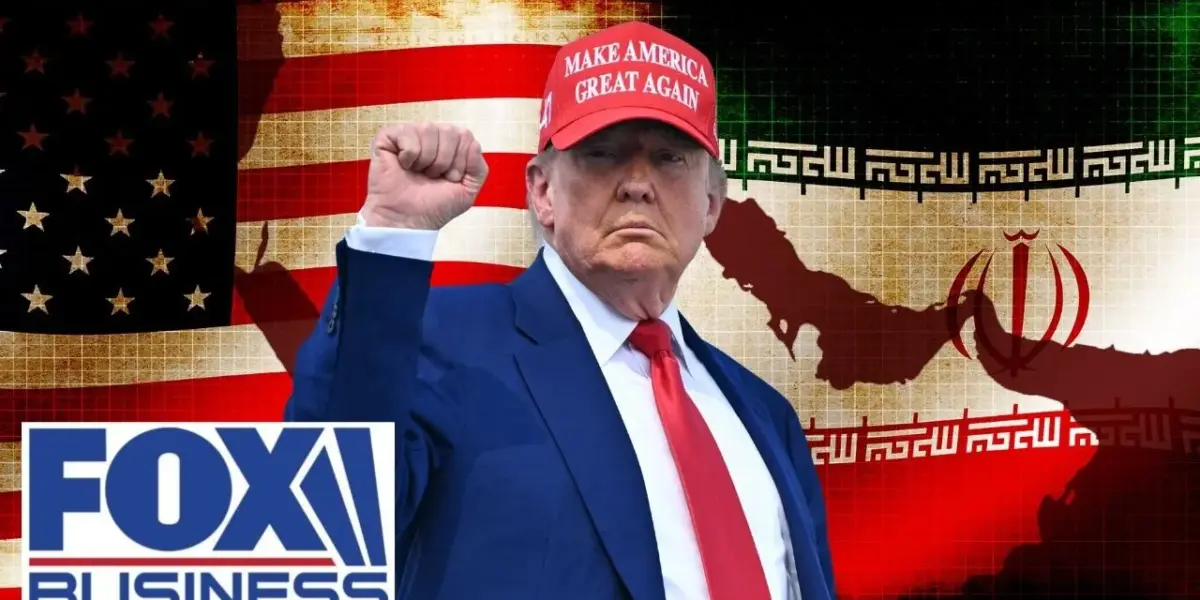
Trump Pauses Iran Strikes Amidst Oil Shipments and Negotiations
President Trump announced a ten-day pause on striking Iranian energy facilities, extending the deadline to April 6th. This decision comes as Iran has reportedly offered to send eight, and later ten, oil shipments to the U.S. as a sign of good faith during ongoing negotiations. The President revealed this development during his second term’s eleventh cabinet meeting, highlighting the unusual nature of the oil shipments, which were reportedly Pakistan-flagged.
Trump stated on Fox News that the Iranians specifically asked for the pause. While initially unhappy with the request, he agreed because negotiations were described as productive. “In a certain sense, we’ve already won because we knocked out their navy, we knocked out their air force, completely knocked out their air force, just about completely knocked out — we knocked out 154 ships, pretty good ships,” the President remarked. This suggests a significant military impact on Iran’s naval and air capabilities.
Pentagon Considers Troop Increase Amidst Diplomatic Efforts
Meanwhile, the Pentagon is reportedly considering sending up to 10,000 additional ground troops to the Middle East. This move would provide the President with more military options as he pursues peace talks with Iran. The Wall Street Journal’s editorial board emphasized the importance of completing the mission, framing it as preventing Iran’s “hostage takers” from succeeding. The board noted that the Iranian regime has made several strategic errors, including prioritizing the eradication of Gulf neighbors like Saudi Arabia and the UAE.
President Trump had previously outlined four specific objectives for dealing with Iran. Evidence suggests that approximately two-thirds of Iran’s missile, drone, and naval production capabilities have been destroyed. This has led to the assessment that “the end is near” and that the majority of the job is done, with the remaining focus on highly enriched uranium and leadership issues. Iran’s continued drone attacks on Gulf neighbors are also noted, with these nations now more supportive of U.S. actions.
“We’ve knocked out 154 ships, pretty good ships.” – President Trump
Concerns Over Ground Troops and Strategic Goals
Despite the diplomatic and military actions, there are differing views on the deployment of ground troops. Congressman Mike Caridopolous expressed strong discomfort with sending ground troops into the Middle East, citing historical challenges in places like Iraq and the Reagan years’ experience in Beirut. He stressed the primary goal should be to eliminate Iran’s ability to project power and fund terrorist groups, thereby promoting regional stability.
The Congressman stated he would grant the President leeway for short-term actions focused on air power but draws a firm line at ground troops. In response, it was argued that President Trump is correct not to rule out any options, viewing the troop consideration as part of his negotiation strategy. The idea of acquiring 5,000 pounds of highly enriched uranium without special operations is considered difficult, with discussions potentially including operations on Kharg Island.
Domestic Protests and Economic Stakes
The situation has also sparked domestic reactions. Protests have occurred in the U.S., with some individuals chanting support for U.S. soldiers returning in caskets and calling for the Iranian regime to remain in power to continue supporting groups like Hamas and Hezbollah. These demonstrations highlight the deep divisions within the U.S. regarding foreign policy and military intervention.
Analysts agree that the U.S. is approaching an “end game” with Iran, though the exact outcome remains uncertain. The President’s general aversion to deploying ground troops is acknowledged, but the possibility of mobilizing forces to secure critical waterways like the Strait of Hormuz is seen as a likely scenario. The economic implications, particularly concerning energy infrastructure and the Strait of Hormuz, are significant and will play a crucial role in the ongoing developments.
Market Impact
The ten-day pause in striking Iranian energy facilities, coupled with Iran’s offer of oil shipments, provides a temporary de-escalation in a volatile region. This reduction in immediate military threat could offer short-term relief to oil markets, potentially stabilizing prices if tensions ease further. However, the underlying issues, including Iran’s nuclear program and regional influence, remain unresolved.
The ongoing military posturing, including the potential deployment of additional ground troops, signals that diplomatic efforts are being backed by significant military readiness. This creates uncertainty. Investors will be watching closely for any further breakthroughs in negotiations or any renewed escalation. The long-term implications depend heavily on the success of these diplomatic initiatives and whether a stable, verifiable agreement can be reached that addresses security concerns for all parties involved.
Source: ‘THE END IS NEAR’: Majority of the job is done against Iran, columnist argues (YouTube)

Related Articles


CPAC’s Fumbles Reveal Fissures in MAGA’s Foundation
CPAC's recent gathering revealed potential cracks within the MAGA movement, with awkward stage moments and attendee sentiments highlighting growing divisions. Polling data also suggests a decline in Donald Trump's popularity, indicating a potential shift in the political landscape.

Ukraine Hits Oil Terminals, Halting 40% of Exports
Ukraine has successfully targeted Russia's oil export terminals, disabling 40% of the nation's export capacity. This strategic shift follows an evolving campaign against Russian energy infrastructure, now focusing on the limited number of export facilities to maximize disruption.


Iran Hacks Trump Official Amid Escalating Global Tensions
Iran has reportedly hacked into the emails of a former Trump administration official, raising security concerns. Meanwhile, US intelligence questions the effectiveness of strikes against Iran, and reports suggest Donald Trump's interest in the conflict is waning. The situation is further complicated by global economic impacts and allegations of bias within the US military.