Trump Ousts Noem: Border Crisis Fuels Homeland Security Shakeup
Donald Trump has replaced Kristi Noem as Homeland Security Secretary with Senator Markwayne Mullin, citing alleged deception over a $220 million ad campaign. Noem's tenure was marked by controversies surrounding ICE actions and alleged financial impropriety. This move signals a potential hardening of immigration policies under Trump's future leadership.


Trump Ousts Noem: Border Crisis Fuels Homeland Security Shakeup
In a swift and surprising move, former President Donald Trump has announced the replacement of Kristi Noem as Secretary of Homeland Security, tapping Oklahoma Senator Markwayne Mullin for the role. The announcement, made via a statement from Trump, signals a dramatic shift in the leadership of a critical department already grappling with immense public scrutiny, particularly concerning border security and immigration policy.
The Catalyst: A Contentious Ad Campaign and Alleged Deception
The immediate trigger for Noem’s dismissal appears to be a contentious $220 million advertising campaign that prominently featured her. The transcript suggests a pivotal moment occurred when Noem confirmed to Reuters that Trump had personally approved the campaign. However, Trump’s statement in response to the news directly contradicted this, indicating he had “never known anything about it.” This discrepancy, if true, points to a significant breakdown in communication and trust, a potentially fatal blow to any political appointee serving under Trump.
The implication is clear: Noem may have overstepped her authority or misrepresented Trump’s involvement, leading to his ire. The transcript notes, “So the whispers were that Donald Trump was very, very mad.” This apparent deception, coupled with the sheer scale of the ad spend, seems to have been the breaking point.
Noem’s Tenure Under Fire: A Legacy of Controversy
Beyond the immediate ad campaign controversy, the transcript highlights several other significant criticisms that have dogged Noem’s tenure as Homeland Security Secretary. Her leadership has been associated with what the transcript describes as “the terror that ICE has rained down on US citizens,” a strong accusation implying aggressive and potentially unlawful enforcement actions. Furthermore, she is cited as being “the face of the person who lied after Alex Prey died,” referencing a case where a child’s death during an ICE operation led to public outcry and questions about transparency and accountability. The defense of “the detainment of 5-year-old Liam Ramos” is another point of contention, suggesting a perceived lack of compassion or adherence to child welfare standards in immigration enforcement.
Perhaps most damning is the allegation of “misappropriated funds,” with the transcript stating, “It seems like she’s stolen funds.” While phrased as an observation or rumor, such accusations, especially when linked to a former President’s administration, carry significant weight and could indicate potential financial impropriety or mismanagement.
The New Sheriff: Markwayne Mullin Steps In
Donald Trump’s choice of Markwayne Mullin, a United States Senator from Oklahoma, to succeed Noem suggests a desire for a figure with legislative experience and, presumably, a perceived alignment with Trump’s policy objectives. The statement describes Mullin as “highly respected,” signaling Trump’s endorsement and confidence in his ability to lead the department.
The timing of the transition, set for March 31st, 2026, is also noteworthy. This date places the change well into a potential future Trump administration, indicating that this is not merely a symbolic gesture but a strategic appointment for the long term. It suggests that Trump is already looking ahead to reshape key government positions should he win the next election, prioritizing individuals he believes will execute his agenda without question.
Why This Matters: The Politics of Fear and Control
The ousting of Kristi Noem and the appointment of Markwayne Mullin are deeply intertwined with the ongoing political discourse surrounding border security and immigration. For Trump and his supporters, a strong stance on these issues is paramount. Noem’s perceived failures, whether real or manufactured, provided an opportunity to make a decisive statement. By replacing her, Trump aims to project an image of decisive action and a commitment to his base’s priorities.
This event underscores the potent role of fear and control in contemporary politics. The “terror that ICE has rained down” and the “detainment of 5-year-old Liam Ramos” are not just policy issues; they are emotionally charged narratives that resonate with different segments of the electorate. The leadership at Homeland Security becomes a focal point for these anxieties and aspirations. Trump’s ability to command loyalty and swiftly remove those he perceives as liabilities, or those who fail to perfectly align with his narrative, is a hallmark of his political style. This shakeup demonstrates that in the Trumpian political ecosystem, perceived loyalty and adherence to narrative can be more critical than established performance metrics.
Implications, Trends, and Future Outlook
The appointment of Mullin signals a potential hardening of immigration policies and enforcement strategies under a future Trump administration. Senators with strong, often populist, stances on border security are likely to be favored for key security roles. This move could also indicate a broader trend of Trump consolidating power and preparing his team for a potential return to office, ensuring that critical departments are led by individuals who have proven their loyalty and willingness to implement his agenda.
The controversy surrounding the ad campaign and Noem’s alleged misrepresentation also highlights the precariousness of political appointments, particularly in a highly polarized environment. The need for absolute transparency and unwavering loyalty to the appointing figure is underscored. The future outlook for the Department of Homeland Security under such leadership will likely be characterized by a continued focus on enforcement, potentially at the expense of humanitarian concerns, and a highly centralized decision-making process heavily influenced by the former President.
Historical Context
The Department of Homeland Security was established in the wake of the September 11th terrorist attacks as part of a major government reorganization aimed at improving coordination among federal agencies responsible for national security. Since its creation, the department has been at the forefront of debates on immigration, border security, counterterrorism, and disaster response. The leadership of DHS has often been a political lightning rod, reflecting the nation’s evolving challenges and policy priorities in these critical areas. Noem’s tenure, though ending under a cloud, is part of this ongoing history of intense public and political scrutiny faced by those tasked with securing the nation’s borders and infrastructure.
Source: BREAKING: Kristi Noem Fired by Trump! #politics #fyp #new (YouTube)

Related Articles

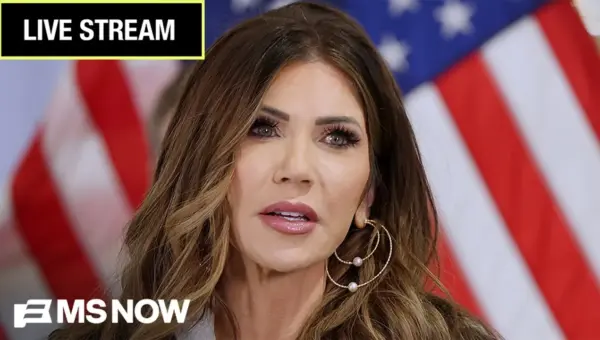
DHS Secretary Speaks Amidst Trump Firing News
Department of Homeland Security Secretary Kristi Noem addressed law enforcement leaders in Nashville, Tennessee, shortly after President Donald Trump announced her termination. Her remarks focused on interagency cooperation amidst the political turmoil.


Trump Fires Kristi Noem, Taps Mullin for Homeland Security Chief
President Trump has fired Homeland Security Secretary Kristi Noem, citing frustrations over her handling of immigration operations and a controversial ad campaign. Oklahoma Senator Markwayne Mullin has been named as the nominee to replace her, pending Senate confirmation.

Middle East Conflict Fuels Inflation, Handing Midterms to Democrats
A new Middle East conflict has sent oil prices soaring, exacerbating existing inflation and potentially handing a significant electoral advantage to Democrats in the upcoming midterm elections. The analysis suggests this economic fallout could be a direct consequence of recent foreign policy decisions.