Trump Ousts DHS Chief Amidst Market Crash and Escalating War
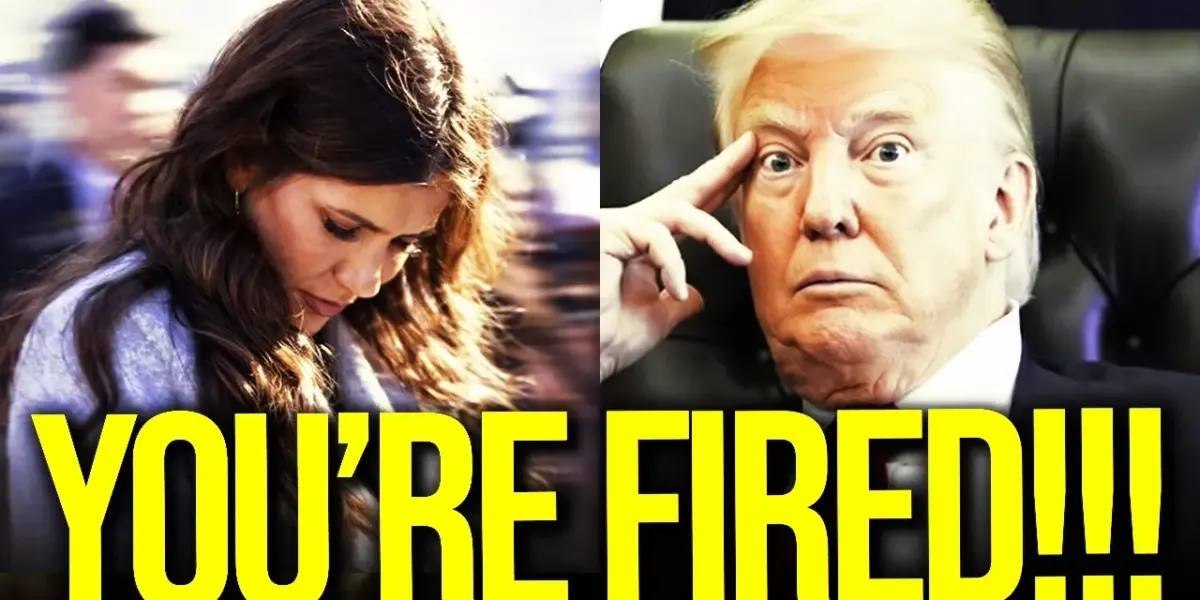
President Trump has replaced DHS Secretary Christy Gnome amidst a crashing stock market and an escalating war in Iran. The dismissal follows controversy over a $200 million DHS ad campaign and has implications for national security and economic stability.

DHS Secretary Replaced Amidst Tumultuous Political and Economic Landscape
In a dramatic turn of events, President Donald Trump has announced the dismissal of Department of Homeland Security (DHS) Secretary Christy Gnome, replacing her with Oklahoma Senator Mark Wayne Mullen. This shake-up occurs against a backdrop of significant economic turmoil, with the stock market plummeting and oil prices surging. Compounding these issues is the grim news that the conflict in Iran is projected to be a protracted and costly affair, far exceeding initial expectations.
The Catalyst: A Controversial Ad Campaign
The immediate trigger for Secretary Gnome’s ouster appears to be a $200 million advertising campaign initiated by the DHS. Reports indicate that this substantial sum was allocated to a contractor with whom Gnome allegedly had close ties, a move perceived by some as an effort to elevate her national profile. President Trump himself expressed surprise and anger upon learning of the campaign, stating to Reuters, “I never knew anything about it.” This statement directly contradicted Gnome’s assertion that Trump had personally approved the initiative.
The discrepancy between Trump’s denial and Gnome’s claim placed her in a precarious position. During a congressional hearing, when directly questioned about the President’s approval of the ad spend, Gnome confirmed, “Yes, he did.” This exchange, captured on video, is widely seen as the pivotal moment leading to her dismissal.
A Swift and Unexpected Transition
Trump’s announcement of Mullen’s appointment was swift, stating, “I am pleased to announce that the highly respected United States Senator from the great state of Oklahoma, Mark Wayne Mullen, will become the United States Secretary of Homeland Security effective March 31st, 2026.” He offered a brief commendation for Gnome’s service, noting she “has served us well and has had numerous spectacular results.” However, the context of her removal suggests a starkly different assessment.
Criticism of Gnome’s Tenure
Beyond the ad campaign controversy, critics have pointed to several other issues during Gnome’s tenure. Her approval ratings have reportedly been in decline, with accusations of her being the “face of the terror that ICE has rained down on US citizens.” She has also been criticized for defending the detainment of a 5-year-old and for alleged misappropriation of funds, leading to speculation of potential theft.
A Novel, Unannounced Role
In a move that has drawn considerable skepticism, Gnome is slated to transition to a newly created position: “special envoy for the Shield of the Americas.” The transcript notes that this role appears to be a newly conceived initiative, not yet officially announced, leading to the assertion that it is essentially a nominal position created to accommodate her departure from DHS.
Market Meltdown and Geopolitical Escalation
The political upheaval at DHS is occurring simultaneously with significant economic distress. The Dow Jones Industrial Average experienced a sharp decline, falling over 1,000 points. This market volatility is exacerbated by soaring oil prices, which are driving broader economic fears. News networks, including Fox News, have highlighted the confluence of these crises, with chyron messages indicating the market’s fall as oil prices surge and reports of Americans needing emergency assistance in the Middle East.
Furthermore, intelligence suggests the conflict in Iran is far from over. Internal communications from US Central Command indicate the war is likely to continue through September, potentially evolving into another prolonged engagement. This protracted conflict is expected to be more expensive than initially anticipated.
Historical Context and Geopolitical Maneuvering
The situation in Iran is described as being more complex and potentially more consequential than publicly acknowledged. Reports suggest that Israel, under Prime Minister Netanyahu, played a significant role in drawing the United States into the conflict. According to sources, Netanyahu had been lobbying Trump for some time and eventually presented a scenario where the U.S. would either join the strikes or face consequences. This narrative aligns with statements made by Senator Marco Rubio, who reportedly walked back comments suggesting the U.S. was “dragged into” the conflict.
An alleged plan by Trump to replace the Iranian regime’s leadership with a designated successor was reportedly thwarted when Netanyahu eliminated all potential candidates, leaving Trump with limited options and effectively forcing U.S. involvement. Trump’s public comments about “accidentally taking out all of the other candidates” are interpreted as a veiled reference to Netanyahu’s actions and the U.S.’s subsequent entanglement.
The New DHS Secretary: A Look at Mark Wayne Mullen
The incoming DHS Secretary, Mark Wayne Mullen, is presented as a figure who has served in the House of Representatives and the Senate. However, the transcript characterizes him as an “absolute stooge” and questions his mettle, particularly in light of his reported reaction during the January 6th Capitol events. Footage from that day shows Mullen appearing visibly distressed, gripping the seats of Congress. The transcript criticizes him for subsequently downplaying the event or attempting to sidestep his experience.
Why This Matters
The dismissal of a key cabinet secretary amidst a volatile economic climate and an escalating international conflict underscores a period of significant instability. The controversy surrounding the DHS ad campaign raises questions about transparency, accountability, and the use of taxpayer funds for political purposes. The apparent lack of clear communication and potential misrepresentation of presidential approval for such initiatives can erode public trust.
Furthermore, the protracted war in Iran, if it indeed unfolds as intelligence suggests, carries profound implications for regional stability, global energy markets, and American foreign policy. The alleged machinations behind U.S. involvement highlight the complexities of international diplomacy and the potential for unintended consequences driven by the actions of allied nations.
The appointment of a new DHS secretary at such a critical juncture suggests an attempt to regain control and project strength, yet the chosen candidate’s perceived lack of experience or past reactions under pressure could be a point of concern for national security.
Implications, Trends, and Future Outlook
This series of events points to several critical trends. Firstly, the intersection of political maneuvering and economic distress is becoming increasingly pronounced. Administrations facing economic headwinds often find themselves under greater scrutiny, and any perceived missteps can be amplified. Secondly, the nature of information dissemination, particularly through social media platforms like Truth Social, allows for rapid announcements but can also bypass traditional vetting processes, potentially leading to immediate controversies.
The future outlook suggests a period of heightened uncertainty. The duration and cost of the Iran conflict will be a major determinant of global stability and economic health. Domestically, the effectiveness of the new DHS leadership will be closely watched, especially in light of ongoing border security challenges and national security threats. The public’s perception of accountability within the administration, particularly concerning the use of funds and the handling of foreign policy, will likely shape political discourse moving forward.
Historical Parallels
Historically, periods of significant economic downturn or geopolitical crisis have often led to shifts in leadership and policy. The current situation, with its blend of domestic economic shock and international conflict, echoes past eras where such pressures tested the resilience of governments and the trust of their citizens. The question of presidential authority versus the influence of international actors, as suggested in the Iran conflict narrative, is a recurring theme in foreign policy, with administrations constantly navigating the balance of national interest and allied pressures.
The criticism leveled against both Gnome and Mullen suggests a heightened demand for competence and integrity in public office, particularly within critical departments like Homeland Security. The scrutiny over the ad campaign and the handling of the Iran conflict indicates a public more attuned to the potential for impropriety and strategic miscalculation.
Source: Trump FIRES EVERYONE as he LOSES CONTROL! (YouTube)

Related Articles


Iran War Expands: US Sinks Ship, 15 Nations Hit
The war with Iran entered its sixth day on March 5, 2026, with strikes impacting 15 nations as a U.S. submarine sank an Iranian ship. President Trump hailed the success, while a new poll shows a divided American public. Thousands of Americans remain stranded in the Middle East amidst escalating conflict.

DHS Secretary Speaks Amidst Trump Firing News
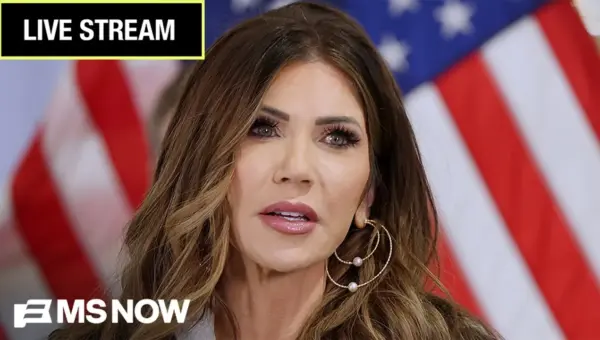
Department of Homeland Security Secretary Kristi Noem addressed law enforcement leaders in Nashville, Tennessee, shortly after President Donald Trump announced her termination. Her remarks focused on interagency cooperation amidst the political turmoil.


Miller’s Iran War Defense: A Desperate Echo of Bush-Era Rhetoric
Stephen Miller's defense of potential military action against Iran revives decades-old grievances, drawing parallels to George W. Bush's 'War on Terror' rhetoric. Critics argue this justification contradicts Trump's anti-war platform and risks perpetuating conflict.