Trump Ousts AG Bondi Amid Epstein Files Controversy
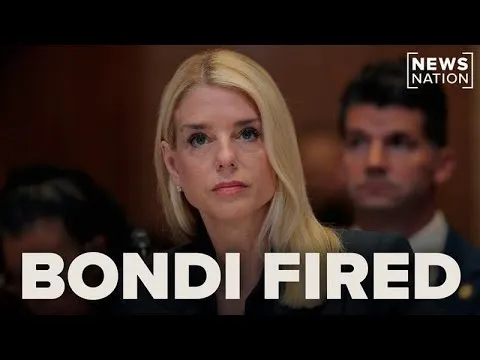
President Trump has fired Attorney General Pam Bondi amid intense criticism over her handling of the Jeffrey Epstein case files. The White House confirmed the departure, which follows a period of scrutiny and a subpoena from House Democrats. This change adds to recent administration shake-ups and occurs within a broader context of political investigations.

Trump Ousts AG Bondi Amid Epstein Files Controversy
President Trump has fired Attorney General Pam Bondi, a major development that comes as Bondi faced increasing criticism over her handling of the Jeffrey Epstein case files. The White House confirmed the news, releasing a statement that described Bondi as a “wonderful person” while acknowledging her departure. This shake-up within the administration follows a period of intense scrutiny for the Attorney General, particularly concerning the release and redaction of documents related to the Epstein investigation.
Bondi’s Tenure and Mounting Pressure
Pam Bondi, a former Attorney General for Florida, joined the Trump administration as a strong supporter of the President. Her background included experience as a prosecutor, notably in tackling Florida’s opioid epidemic. She also had prior legal ties to President Trump. However, her leadership at the Justice Department recently came under fire. Democrats on the House Oversight Committee had issued a subpoena for Bondi to testify about the Epstein investigation. Key concerns centered on her department’s decisions regarding the release of files and the extent of redactions made to them.
Republican Support for the Change
The move to remove Bondi also appeared to have some backing within the Republican party. Representative Nancy Mace of South Carolina, a Republican, had publicly stated that she would welcome news of Bondi’s firing. This suggests that the controversy surrounding the Epstein files had created broader concerns that extended beyond partisan lines.
Broader Administration Shake-ups
This departure is not an isolated incident within the administration. It follows the earlier exit of Secretary Kristi Noem from her role as Secretary of the Department of Homeland Security back in March. These changes indicate a period of significant transition and potential realignment within President Trump’s cabinet and key departments.
Context of Political Investigations
The reports of Bondi’s firing also occur within a broader context of President Trump’s focus on investigating perceived political opponents. The administration has been active in pursuing legal actions against figures like former FBI Director James Comey, who faced charges for alleged false testimony during a Senate hearing. Comey’s handling of the FBI’s investigation into Russian collusion during the 2016 election had been a point of contention for Trump. Additionally, New York State Attorney General Letitia James faced allegations of mortgage fraud. Critics have accused the Trump administration and the Department of Justice of targeting political enemies. However, opponents of these actions point to a perceived lack of significant legal action against individuals like Comey and James, raising questions about the even-handedness of Justice Department actions under Bondi’s leadership.
Potential Successor and Next Steps
As the administration navigates this change, the name of EPA Administrator Lee Zeldin has been floated as a possible replacement for Attorney General. However, this remains unconfirmed as the situation is still developing. The immediate focus is on confirming the details of Bondi’s removal and identifying her successor. Reuters has reported that President Trump has indeed removed Attorney General Pam Bondi, effective today.
Global Impact
The firing of Attorney General Pam Bondi, while primarily an internal US political event, can have ripple effects. It signals a potential shift in how sensitive investigations are handled within the Justice Department. For international actors and those involved in past or ongoing legal disputes that intersect with US interests, this change could mean altered investigative priorities or approaches. The focus on the Epstein files suggests a potential for renewed scrutiny of related international networks and financial dealings. Furthermore, changes in leadership at such a high level can influence perceptions of stability and legal certainty for foreign governments and businesses engaging with the United States.
Why This Reshapes the World Order
While not a direct alteration of global power structures, this event contributes to the ongoing narrative of political flux within the United States. Shifts in key personnel, especially within the Justice Department, can affect the US’s standing as a reliable legal and diplomatic partner. The focus on high-profile investigations, like the Epstein case, can also draw international attention to issues of financial crime and human trafficking. How the new leadership addresses these matters could influence international cooperation on combating such crimes and upholding legal standards globally. It highlights the internal dynamics that can indirectly shape foreign policy and international legal enforcement.
Historical Context
The controversy surrounding the Epstein files echoes past debates about the independence and impartiality of the Justice Department. Throughout US history, there have been periods where the department’s actions have been questioned for political motivations. The current situation, with accusations of targeting political enemies, is reminiscent of historical concerns about the weaponization of legal processes. Bondi’s background as a prosecutor and her prior support for President Trump place her tenure within this ongoing discussion about the balance between political loyalty and the administration of justice.
Economic Leverage
While no specific sanctions or trade figures were mentioned in relation to Bondi’s firing, Attorney General’s offices often play a role in enforcing financial regulations and investigating economic crimes. Any perceived shift in the department’s priorities could indirectly impact international financial flows or the investigation of corporate misconduct. The Epstein case itself involved complex financial networks, and future actions by the Justice Department could have implications for asset recovery or the prosecution of related financial crimes, potentially affecting individuals and entities beyond US borders.
Regional Alliances and Power Balances
The direct impact on regional alliances is minimal. However, the internal stability and perceived fairness of the US justice system can influence how allies and rivals view American leadership. A perception of politicization within the Justice Department could, over time, subtly affect diplomatic relationships and the US’s ability to build consensus on international legal matters. The focus on high-profile cases can also indirectly involve international actors, depending on the scope of the investigations.
Future Scenarios
One future scenario is that the new Attorney General will bring a renewed focus to sensitive investigations, potentially leading to more significant case developments related to the Epstein inquiry. Another possibility is that the administration will focus on other priorities, with the Epstein case fading in prominence. A third scenario involves continued political debate and scrutiny over the Justice Department’s actions, regardless of who leads it. The likelihood of each scenario depends on the policy directions of the incoming leadership and the ongoing political climate.
Source: Attorney General Pam Bondi fired, Todd Blanche to replace | NewsNation Live (YouTube)

Related Articles

Trump Fires Bondi: A Loyalty Test Ends in Public Humiliation
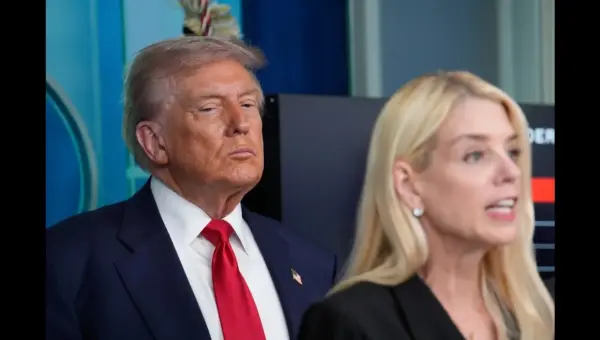
Pam Bondi's dismissal as Attorney General by Donald Trump was reportedly a "dramatic showdown," not a quiet transition. Accusations of an "unforgivable offense" and alleged interference in the Epstein files controversy fueled the conflict. The incident highlights a pattern of demanding loyalty and then discarding allies when they are no longer useful.

Trump Ousts Bondi Amid Epstein Probe, Congress Demands Answers
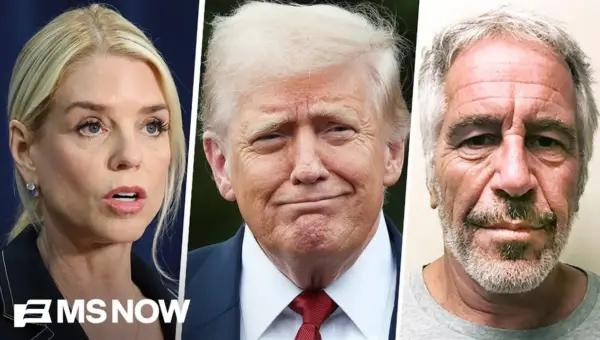
Congressman Seth Moulton claims President Trump removed Pam Bondi from her position due to her impending deposition in the Jeffrey Epstein case. The conversation also addressed the escalating conflict with Iran, with Moulton criticizing the administration's strategy and calling for transparency.

Trump Ousts AG Bondi, Citing Epstein Files Fallout
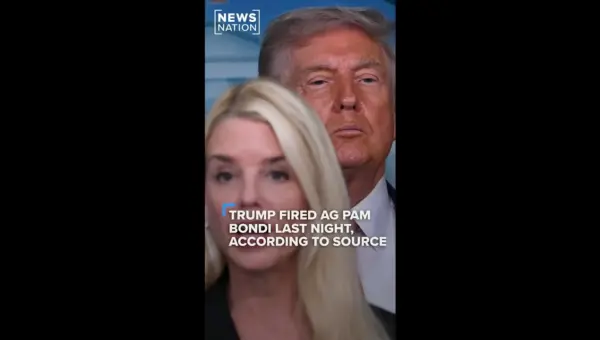
President Trump has replaced Attorney General Pam Bondi with Deputy AG Todd Blanch, a move that sources link to the public release of the Epstein files. The decision came just before Trump addressed the nation on the Iran conflict. Trump stated Bondi is moving to a new private sector job.