Trump Orders Strait of Hormuz Naval Blockade After Talks Fail
President Trump has ordered a U.S. naval blockade of the Strait of Hormuz after peace talks with Iran failed to reach an agreement, primarily due to Iran's nuclear ambitions. The U.S. Navy will intercept ships paying tolls to Iran and destroy mines, escalating tensions significantly.

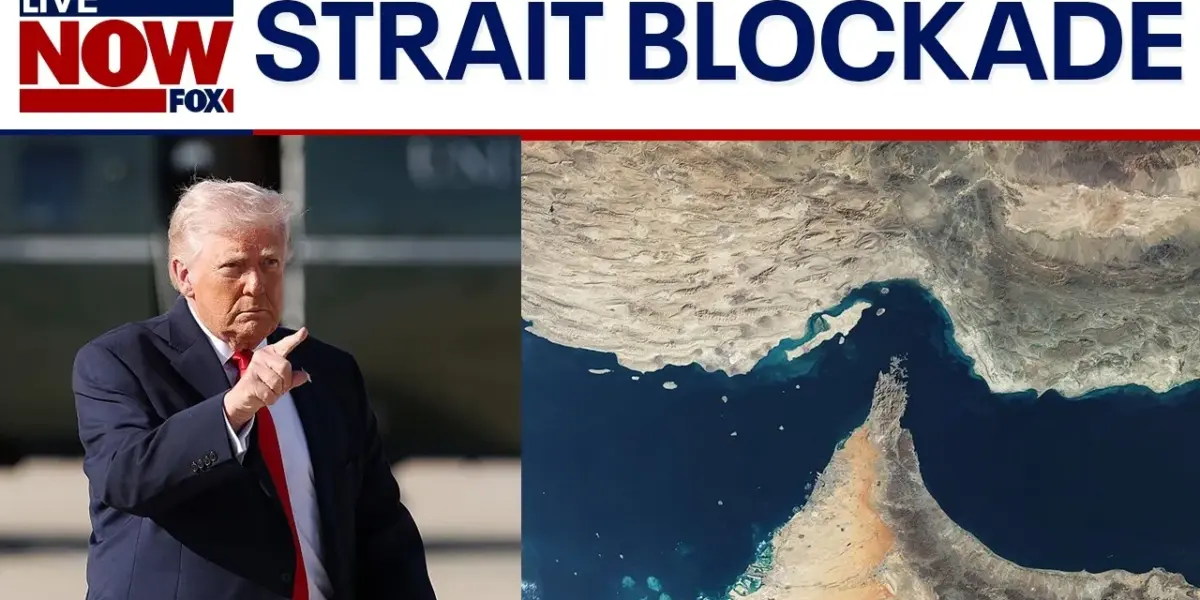
Trump Orders Naval Blockade of Strait of Hormuz
President Donald Trump has ordered a U.S. naval blockade of the Strait of Hormuz. This action follows the collapse of peace talks between the United States and Iran. The negotiations, held in Pakistan, ended without a deal. President Trump announced the decision via a statement on his Truth Social account. The move signals a significant escalation in tensions between the two nations.
Peace Talks Stall Over Nuclear Ambitions
The recent meeting in Islamabad aimed to resolve ongoing disputes, particularly Iran’s nuclear program. President Trump’s statement detailed the extensive, nearly 20-hour-long talks. He noted that while many points were agreed upon, Iran’s unwillingness to abandon its nuclear ambitions proved to be a critical sticking point. “Iran is unwilling to give up its nuclear ambitions,” Trump stated. He emphasized that allowing nuclear power in the hands of “such volatile, difficult, unpredictable people” is unacceptable.
Despite the representatives developing mutual respect, Iran’s negotiators remained unyielding on the nuclear issue. Trump reiterated his long-standing position: “Iran will never have a nuclear weapon.” The failure to reach an agreement on this core issue led directly to the decision to impose a naval blockade.
Strait of Hormuz Blockade Details
The blockade will target any vessel attempting to enter or leave the Strait of Hormuz. The U.S. Navy, described as “the finest in the world,” will enforce the measure. President Trump stated that the goal is to eventually allow free passage, but this is contingent on Iran’s actions. He accused Iran of creating obstacles, citing the potential presence of mines in the waterway. “This is world extortion and leaders of countries, especially the United States of America, will never be extorted,” Trump declared.
Furthermore, the U.S. Navy is instructed to intercept vessels in international waters that have paid a toll to Iran. “No one who pays an illegal toll will have safe passage on the high seas,” the statement read. The U.S. will also begin destroying mines laid by Iran in the straits. Trump issued a stark warning to any Iranian forces that fire on U.S. or peaceful vessels: “Any Iranian who fires at us or at peaceful vessels will be blown to hell.”
Context and Broader Implications
The Strait of Hormuz is a critical chokepoint for global oil supplies, with a significant portion of the world’s oil passing through it daily. Disruptions here can have far-reaching economic consequences worldwide. Iran has previously threatened to close the strait in response to international pressure. The U.S. naval blockade represents a direct challenge to Iran’s influence and its ability to control this vital waterway.
President Trump’s statement also highlighted the current state of Iran’s military capabilities, suggesting they are severely degraded. He mentioned that Iran’s navy, air force, and radar systems are compromised, and key leaders have been eliminated. “Iran knows better than anyone how to end the situation which has already devastated their country,” Trump wrote.
International Involvement and Future Actions
Trump indicated that other countries will be involved in the blockade effort. The objective is to prevent Iran from profiting from what he described as an “illegal act of extortion.” He asserted that Iran’s desires for money and nuclear capabilities would not be met through these actions. The statement concluded with a strong military posture, indicating that the U.S. is “fully locked and loaded” and prepared to take further action if necessary.
The blockade is set to begin shortly. This development marks a significant shift in U.S. policy towards Iran and raises serious concerns about regional stability and global energy markets. The international community will be closely watching how Iran responds to this aggressive move.
Source: Trump directs U.S. Navy to blockade Strait of Hormuz after peace talks stall (YouTube)

Related Articles
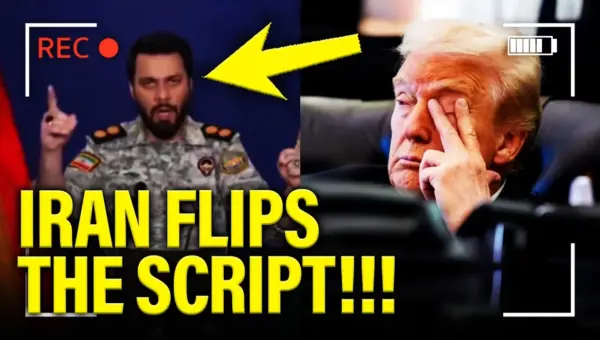
Iran’s AI Trolls Outsmart Trump’s Online War
Iran has turned to AI-generated videos and a relentless online trolling campaign to counter Donald Trump following failed negotiations. This strategy highlights a new form of asymmetrical warfare in the digital age, raising questions about the future of international relations and information control.
Trump Escalates Iran Conflict, Threatens Blockade
Former President Donald Trump has escalated tensions with Iran by threatening to blockade the Strait of Hormuz following failed negotiations led by Senator JD Vance. This move is marked by significant contradictions and raises concerns about global economic stability and the risk of wider conflict.


Trump Blocks Iran’s Oil, Bombers Ready for War
Negotiations between the US and Iran have collapsed, leading President Trump to announce a blockade of the Strait of Hormuz. The US Navy is preparing for potential strikes, with bombers loaded and on high alert.