Trump Orders Strait of Hormuz Blockade, Risks Global Oil Shock
President Trump has ordered the U.S. Navy to blockade the Strait of Hormuz, a critical global oil transit point, sparking fears of soaring energy prices and inflation. This strategic move aims to exert pressure on Iran and China, while also addressing domestic economic concerns ahead of midterm elections.

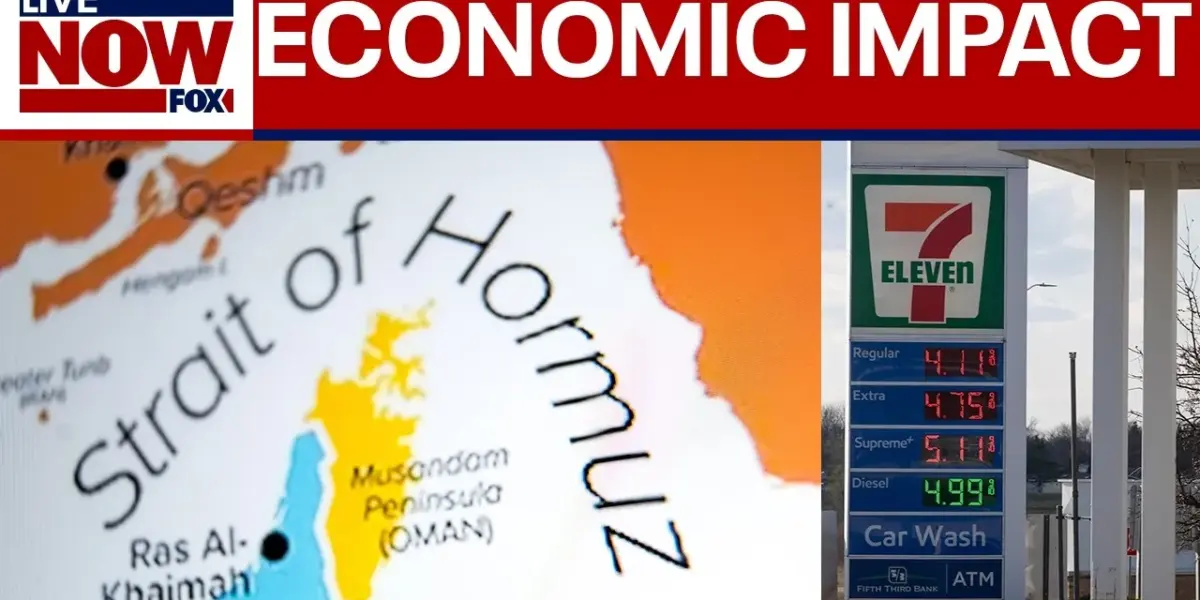
Global Oil Flows Threatened as Trump Orders Hormuz Strait Blockade
In a significant escalation of geopolitical tensions, President Trump has ordered the U.S. Navy to blockade the Strait of Hormuz, a critical waterway responsible for transporting 20% of the world’s oil. The move, announced via social media, aims to prevent any vessels paying tolls to Iran from safely passing through international waters. This decision follows the end of peace talks in Pakistan and signals a strategic push by the U.S. to exert greater control over the vital maritime route.
Economic Fallout: Rising Oil Prices and Inflationary Fears
The immediate impact of a blocked Strait of Hormuz is a projected surge in oil prices. Experts warn that a sustained blockade could cripple inflation metrics. Francis Newton, CIO of Tuttle Wealth Partners, highlighted projections that WTI crude could reach $132 a barrel if the strait remains closed for two quarters. This would place significant inflationary pressure on consumers already stretched by rising costs and put the Federal Reserve in a difficult position regarding interest rates. Bond traders are already anticipating the Fed’s response, with rates rising as they try to get ahead of potential policy changes.
A Strategic Chessboard: U.S. vs. China and Midterm Elections
Beyond the immediate economic concerns, the blockade is viewed as a strategic move in a larger geopolitical game. The Trump administration’s objective is to maintain America’s competitive edge on the global GDP stage, especially against China, which relies heavily on the Strait of Hormuz for its oil imports. Disrupting these supplies could weaken China’s manufacturing sector and provide the U.S. with greater leverage in trade negotiations. Furthermore, with midterm elections on the horizon, the administration is keenly aware of voter concerns about affordability. Rising oil and gas prices disproportionately affect lower-income households, and resolving this issue quickly is seen as crucial for political stability.
Market Reactions and Long-Term Implications
Financial markets have been reacting to the potential for disruptions in the Strait of Hormuz for weeks. Traders often anticipate such events, taking positions beforehand to capitalize on anticipated price movements. While immediate price adjustments are expected, there are also concerns about longer-term damage. This could include shifts in defense spending and ongoing disruptions to the energy pricing model. The blockade’s aim is to prevent Iran from supplying its allies, particularly China, thereby maintaining a U.S. advantage in global trade. As Newton explained, the administration wants to keep the U.S. dollar dominant and ensure American consumers remain economically stable.
Impact on Everyday Citizens and Consumer Behavior
For the average citizen, the blockade translates directly into higher costs for everyday necessities and travel. With gas prices likely to rise, consumers may see their budgets tighten, impacting everything from daily commutes to vacation plans. While demand may not immediately decrease, prolonged high prices could eventually quell consumer spending, particularly among the lower 60% of the economy who live paycheck to paycheck. This group is highly reliant on credit, and rising interest rates increase their debt servicing costs. A severe economic downturn affecting this segment could, in turn, impact the wider economy and the assets held by wealthier individuals, creating systemic risks.
Key Indicators to Watch
“The risk to the United States is that it’s increasing our prices putting inflationary pressures on consumers that are already stretched already have a lot of credit.”
Francis Newton emphasized the importance of monitoring several key indicators. Credit spreads are crucial for anticipating stress in the credit system. Additionally, watching interest rates ahead of Federal Reserve meetings provides insight into potential policy responses. Ultimately, Newton noted, the administration’s actions are part of a larger strategy to secure trade advantages over China and maintain the U.S. dollar’s prominence, all while attempting to alleviate economic pressure on lower-income voters.
Looking Ahead: Resolution and Market Recovery
The speed at which the Strait of Hormuz is reopened will largely determine the duration and severity of the economic impact. While markets and traders are quick to react, the potential for long-term infrastructure and supply chain adjustments remains. The administration faces the challenge of balancing geopolitical objectives with domestic economic stability, particularly in the lead-up to crucial elections. The coming weeks will be critical in observing diplomatic efforts and their success in restoring the flow of global oil supplies and stabilizing energy prices for consumers worldwide.
Source: Economic impact of Hormuz Strait blockade (YouTube)

Related Articles


Iran’s Strait of Hormuz Blockade Shifts Global Oil Power
Iran's control over the Strait of Hormuz, a vital global oil route, is shifting economic power dynamics. As former President Trump declared a U.S. naval blockade, experts highlight Iran's effective use of this physical choke point, challenging U.S. financial leverage and potentially forcing negotiations under duress.
US Tightens Grip, Eyes Regime Change in Iran
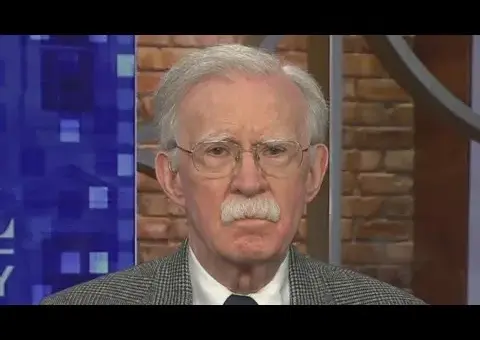
John Bolton argues that the recent ceasefire with Iran was a mistake and advocates for a renewed military strategy. His proposal includes reopening the Strait of Hormuz and maintaining a blockade on Iranian oil to pressure the regime, with the ultimate goal of regime change.

MTG Turns on Trump: Is MAGA’s Reign Over?
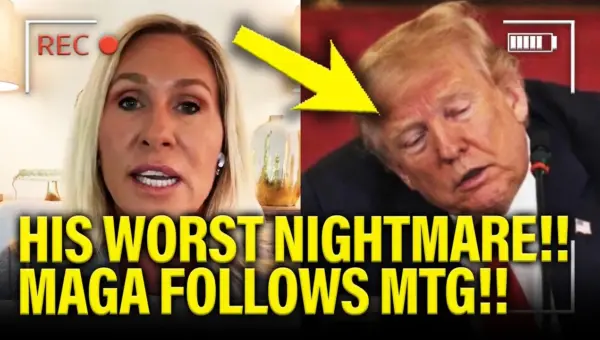
Marjorie Taylor Greene has launched a strong attack against Donald Trump, calling for his impeachment and the use of the 25th Amendment. Citing policy failures and character changes, Greene's criticisms echo sentiments from other conservative figures, suggesting a potential fracturing of the MAGA movement and raising questions about Trump's future influence.