Trump Orders Strait of Hormuz Blockade: Oil Prices Surge
President Trump has ordered a U.S. naval blockade in the Strait of Hormuz, citing Iran's nuclear ambitions and failure to reach a deal in recent talks. The move sent oil prices surging, with Brent crude up over 7% and WTI crude up 8%. Financial markets opened lower amid the heightened geopolitical tensions.

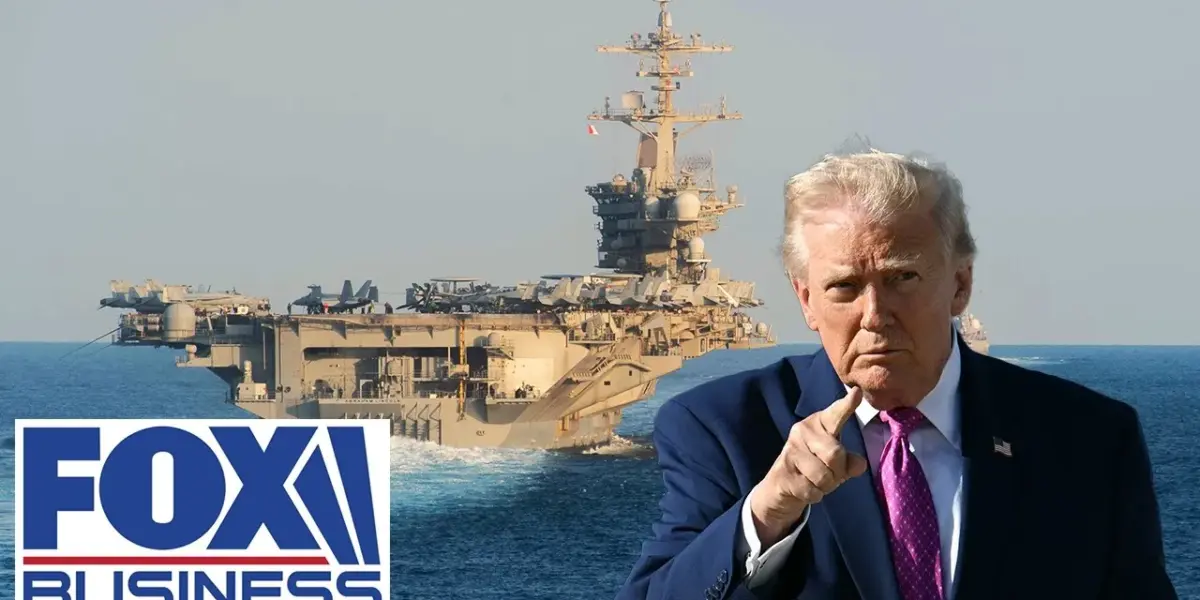
Strait of Hormuz Blockade Begins Amidst Tense U.S.-Iran Talks
A significant U.S. naval blockade in the Strait of Hormuz commenced today at 10:00 AM Eastern Time. President Trump announced the move, stating that a ceasefire was holding despite the failure of weekend talks between the U.S. and Iran to reach a deal. In an exclusive interview, President Trump detailed the next steps, emphasizing the U.S. objective to prevent Iran from acquiring nuclear weapons.
“We’re going to be blockading. It will take a little while. It will be effective pretty soon,” President Trump stated. “They want to have nuclear weapons. They’re not going to have nuclear weapons.” The President also indicated that if Iran does not abandon its nuclear ambitions, further actions to “de-instruct” Iran would be taken. The goal is to eventually reopen the Strait for all passage.
Market Reaction and Economic Outlook
Financial markets opened lower this morning, with futures indicating a triple-digit decline for stocks. The Dow Industrials were down 260 points, or 0.5%, while the S&P 500 fell 42 points and the Nasdaq lost 164 points. This follows a mixed finish on Friday, where the Dow ended lower after a hot CPI report, but the Nasdaq saw gains.
The price of oil, however, has been on the rise. Brent crude surged 7.625% to $102.44 per barrel, and WTI crude oil climbed 8% to $104.35. This surge in oil prices comes as the first quarter earnings season is set to begin this week, with major banks like Goldman Sachs, J.P. Morgan Chase, Wells Fargo, Bank of America, and Citigroup releasing their results.
Geopolitical Tensions and Oil Supply
The Strait of Hormuz is a critical waterway for global oil transport. Approximately 20% of the world’s total petroleum liquids supply passes through it. Any disruption or blockade in this region can significantly impact global oil prices and supply chains.
President Trump described the situation as “world extortion,” noting that while the U.S. does not heavily rely on oil from the region, many other countries do. He highlighted the U.S. capacity to produce its own oil, with ships being loaded with light, sweet crude for export. The U.S. has also been disappointed with NATO’s initial lack of support in securing the Strait, though some allies are now offering assistance.
U.S. Military Posture and Iran’s Capabilities
The President asserted that the U.S. military has effectively neutralized much of Iran’s military capabilities, including its navy and air force. He mentioned the destruction of numerous Iranian ships and the disabling of their missile systems and drone production facilities. “We knocked out their entire navy. They have 158 ships, 28 mine droppers, every single one of them is at the bottom of the sea,” President Trump claimed.
Regarding the threat of mines, the U.S. is deploying advanced mine sweepers, with assistance expected from the UK and other nations. The President also detailed the U.S. technological superiority, including lasers and advanced weaponry capable of neutralizing drones and incoming missiles. He stated that U.S. destroyers have successfully passed through the Strait without incident, with technology to track and neutralize threats.
Nuclear Ambitions and International Relations
A central point of contention in the U.S.-Iran talks is Iran’s pursuit of nuclear weapons. President Trump reiterated his firm stance: “They’re not going to have nuclear weapons.” He believes that Iran would use such weapons, potentially targeting Israel and the broader Middle East, and eventually posing a threat to the U.S.
The President also touched upon relations with NATO allies and China’s President Xi Jinping, with an upcoming meeting scheduled. He expressed disappointment with NATO’s initial response but noted that several Gulf states are now cooperating, particularly after Iran’s missile launches against them. The U.S. Patriot missile system has proven effective in intercepting these threats.
What Investors Should Know
The escalating tensions in the Strait of Hormuz and the resulting oil price surge are key factors for investors to monitor. The energy sector is likely to see increased volatility. Investors should also pay close attention to the upcoming corporate earnings reports, particularly from major banks, which will offer insights into the health of the financial sector and the broader economy.
The geopolitical developments could influence global trade and economic growth. Uncertainty surrounding the Strait of Hormuz may lead to increased demand for oil from non-Middle Eastern producers. The effectiveness of the U.S. blockade and Iran’s response will be crucial in determining the duration and impact of these market movements.
Looking Ahead
President Trump is scheduled to appear on “Mornings with Maria” on Wednesday morning for a further exclusive interview. Congress also returns to session this week, facing issues such as the DHS shutdown and the President’s 2027 budget request. The confirmation hearing for Federal Reserve Chairman Kevin Warsh is also pending, with the yield on the ten-year Treasury note currently at 4.33%.
Source: 'COMPLETE BLOCKADE': Trump drops BOMBSHELL move in Strait of Hormuz crisis (YouTube)

Related Articles


Trump Criticizes Pope Francis, Defends Iran Policy
President Trump criticized Pope Francis, calling him "very liberal" and questioning his stance on crime and nuclear weapons. He also detailed his administration's aggressive policy against Iran, citing military and economic pressures that have left the nation "desperate."

Iran Conflict Shifts Global Alliances, Reshapes World Order
A new analysis of the Iran conflict reveals significant geopolitical shifts, with the U.S. focusing on strategic goals like crippling Iran's missile program rather than regime change. The report highlights Saudi Arabia's role, questions media narratives, and details economic and alliance gains for the U.S. It also explores internal U.S. political divisions and the immigration debate.

Ukraine’s Drones Disrupt Russian Oil, Forge Gulf Ties
The conflict in the Persian Gulf has caused a major oil shortage, boosting prices and creating new challenges for Russia. Meanwhile, Ukraine's advanced drone technology, funded by Gulf investments, is disrupting Russian oil exports and forging new international partnerships.