Trump Orders Hormuz Blockade After Iran Talks Fail
President Trump has ordered a U.S. Navy blockade of the Strait of Hormuz following the collapse of 21-hour U.S.-Iran ceasefire talks. The negotiations failed to resolve key issues, particularly Iran's nuclear program, leading to increased pressure on the nation. The blockade is expected to significantly impact global oil markets and international shipping.

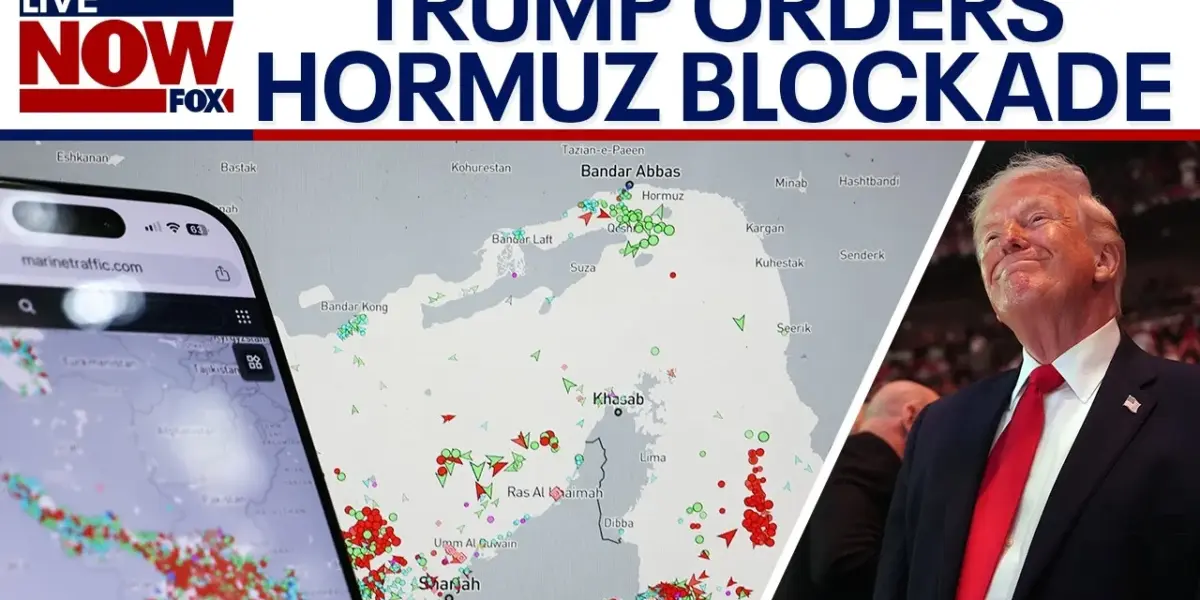
Trump Orders Hormuz Blockade After Iran Talks Collapse
President Trump announced Sunday that the U.S. Navy will immediately blockade the Strait of Hormuz, a crucial global oil shipping route. This drastic step follows 21 hours of intense U.S.-Iran ceasefire negotiations in Pakistan that ended without a deal. The President stated that while most points were agreed upon, the critical issue of Iran’s nuclear program remained unresolved. “The United States Navy, the finest in the world, will begin the process of blockading any and all ships trying to enter or leave the Strait of Hormuz,” Trump declared on social media. This move marks a significant shift from previous U.S. calls to simply reopen the strait.
Pressure Mounts as Negotiations Falter
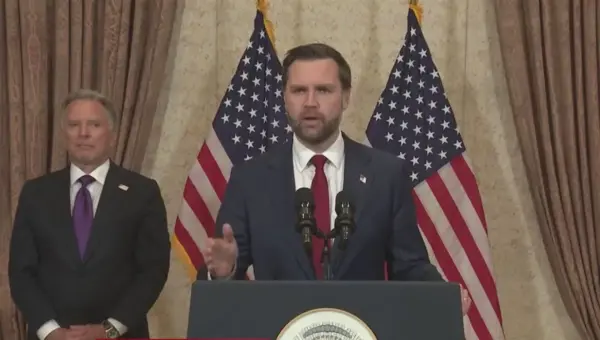
The failed talks, led by Vice President JD Vance, aimed to secure an agreement on Iran’s nuclear ambitions and other key issues. Despite a 21-hour negotiation session, both sides remain far apart on crucial points, particularly Iran’s unwillingness to discuss abandoning its nuclear weapons program. Iran’s delegation expressed distrust in the U.S. negotiators, stating that American officials did not seem serious about addressing their concerns. While both sides have agreed to continue discussions, the immediate implementation of a naval blockade is expected to significantly increase pressure on Iran and potentially destabilize global markets.
Economic Repercussions Feared
The blockade order comes at a time of already heightened economic anxiety. Oil prices have surged and stock markets have fallen in recent weeks due to actions in the Strait of Hormuz. Analysts predict that the U.S. Navy’s blockade will likely cause further market volatility when trading resumes in Asia and carries on into the U.S. work week. The President’s strategy appears to be an attempt to assert political leverage by cutting off Iran’s oil profits, even at the cost of short-term economic pain for the U.S. and its allies.
Sticking Point: Nuclear Capabilities
A central point of contention in the negotiations has been Iran’s enriched uranium program. Past U.S. military strikes aimed to disrupt these nuclear sites, but much of the enrichment activity has reportedly moved underground. The U.S. wants Iran to give up its enriched uranium as a step toward abandoning nuclear weapons. However, Iran insists it has a right to enrich uranium for civilian purposes and views its program as non-military. This fundamental disagreement over nuclear capabilities remains a major obstacle to any lasting agreement.
Military Details Remain Secret
While President Trump has ordered the blockade, specific military details remain undisclosed. The President has consistently refused to reveal operational plans, citing national security. However, it is widely expected that the U.S. Navy will intercept and stop ship traffic entering or leaving the Strait of Hormuz. The immediate concern is how Iran will respond to this action and what the impact will be on international shipping companies and global markets. The situation also involves Iran’s support for proxy groups like Hamas and Hezbollah, and the destruction of Iranian missiles, which were other U.S. objectives that remain unresolved.
A Fragile Ceasefire
The current situation exists under a fragile ceasefire that was agreed upon for a two-week period. However, reports indicate that both sides have accused each other of violating the terms. A key point of contention is Israel’s continued attacks on Lebanon, which Iran and some mediators consider a breach of the ceasefire, while Israel maintains its right to strike targets. The future of this ceasefire, especially beyond the initial two-week period, appears uncertain, with this new blockade adding another layer of complexity.
Geopolitical Stakes and China’s Role
The escalating tensions also involve China, which has played a role in mediating discussions between the U.S. and Iran. As a major importer of oil, China has a significant economic interest in the stability of the Strait of Hormuz. While China may seek to prevent economic harm, its involvement is delicate, as it may not wish to be drawn too deeply into a conflict initiated by the U.S. The upcoming meeting between President Trump and Chinese President Xi Jinping in Beijing is expected to be crucial in understanding how China will navigate this complex geopolitical landscape.
Looking Ahead
With the U.S. Navy implementing a blockade and core issues like Iran’s nuclear program unresolved, the situation remains highly volatile. The coming days will reveal Iran’s response, the market’s reaction, and whether further diplomatic avenues can be pursued. The upcoming midterm elections in the U.S. also add a political dimension, as rising gas prices could influence voter sentiment.
Source: Trump’s Strait of Hormuz blockade aims to cut off Iran's oil profits (YouTube)

Related Articles


Iran Deal Fallout: Trump’s Claims Clash With Reality
President Trump claimed Iran had no leverage, but the difficulty in reaching a deal suggests otherwise. Critics argue this approach weakened the U.S., allowing Iran to gain influence via the Strait of Hormuz. This highlights the ongoing debate between military might and diplomatic strategy in foreign policy.
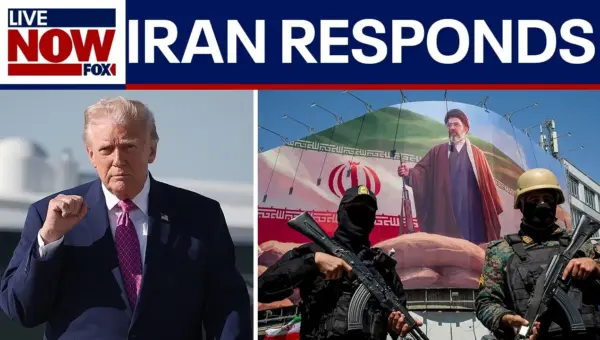
Iran Warns Trump Over Hormuz Strait Blockade Threat
Iran has issued a stern warning against any U.S. military vessels attempting to blockade the Strait of Hormuz, calling it a violation of a ceasefire. The U.S. blockade aims to cut off Iran's oil revenue, impacting both Iran and China. The situation is at a critical juncture, with potential for further escalation.
Iran Talks Collapse: US Blocks Strait, Escalates Tensions
Peace talks between the U.S. and Iran have collapsed over Iran's nuclear ambitions. In response, the U.S. Navy has initiated a blockade of the Strait of Hormuz, escalating tensions and threatening global oil supplies. This move follows Iran's refusal to meet key American demands.