Trump Open to Iran Talks After Attacks, Shifts on Regime Change
President Trump has agreed to negotiate with Iran's new leadership following recent U.S. and Israeli attacks, signaling a potential shift from his regime change objective. The move has drawn scrutiny from former officials who question the strategic coherence of U.S. policy.

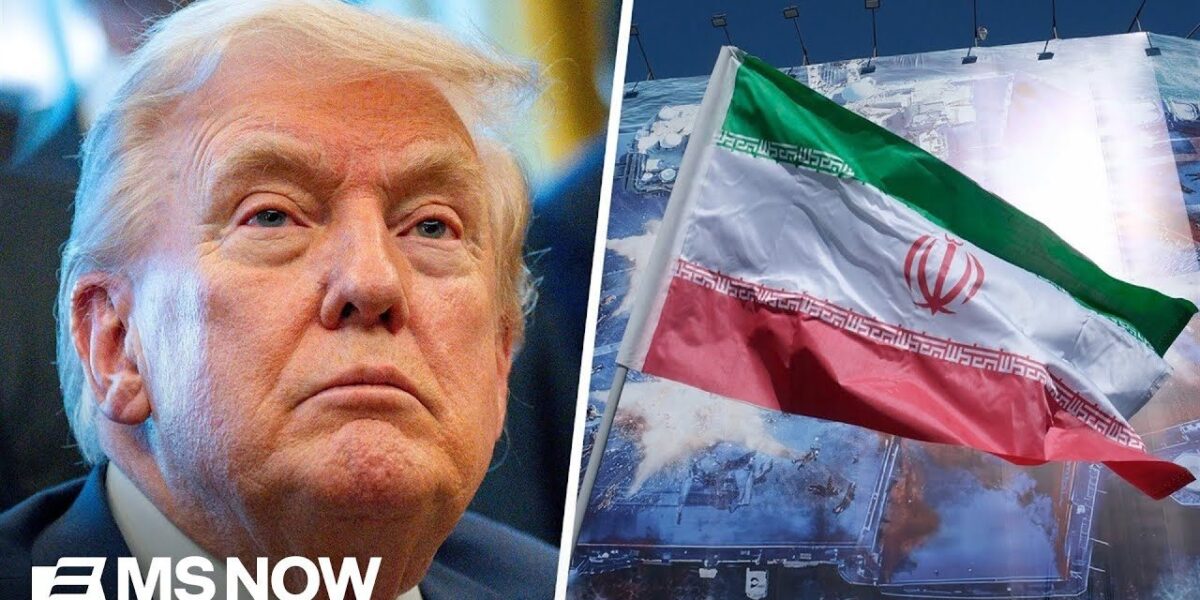
Trump Signals Willingness to Negotiate with New Iranian Leadership Post-Attacks
In a significant shift following recent U.S. and Israeli attacks on Iran, President Donald Trump has indicated a willingness to engage in direct negotiations with the new Iranian leadership. The revelation comes from an interview with The Atlantic, where Trump stated, “I’ve agreed to talk” to the Iranian regime, a move that appears to diverge from his previously stated objective of regime change.
Details Emerge on Iranian Outreach and Presidential Discussions
Michael Scherer, a staff writer at The Atlantic and the journalist who interviewed President Trump, shared details about the conversation. Scherer stated that he contacted the President to inquire about potential steps Iran could take to de-escalate tensions and end the recent attacks. In response, Trump revealed that Iranian leaders had initiated contact and agreed to talks.
When pressed for specifics regarding the timing of these potential negotiations, Trump was unable to provide a clear answer, suggesting that immediate cessation of hostilities was unlikely given the ongoing aggressive campaign. “I think we have to put this in the context of still a very aggressive campaign that everyone in the U.S. government has said will last several days,” Scherer quoted the President as saying. “So I don’t think there’s an immediate prospect for stopping what we’ve seen over there.”
Trump also alluded to a change in the individuals the U.S. government would be engaging with, noting that some of the previous interlocutors were “no longer alive,” implying a new cadre of leadership within Iran.
Ambassador McFaul Questions Strategic Coherence and Objectives
Former U.S. Ambassador to Russia, Michael McFaul, who was involved in the 2015 Iran nuclear deal under President Barack Obama, expressed skepticism regarding the strategic coherence of the current U.S. policy. McFaul highlighted a perceived contradiction between Trump’s calls for Iranian people to rise up for regime change and his subsequent agreement to negotiate with the existing leadership.
“When the president explained to the American people and the world why he decided to take this military action, he said it was for regime change. He said the Iranian people need to rise up and take what’s given to them and free themselves from the theocrats. Now, today, Michael just talked to the president. He’s talking about negotiating with the theocrats. That suggests to me a very different objective than the one that he promised the Iranian people just two days ago.”
McFaul elaborated on the potential implications of negotiating with a regime that the U.S. has simultaneously called to be overthrown. “You can’t negotiate with the regime that you’re trying to replace. That seems absurd to me, and if he does begin to do that, that undermines the Iranian protesters. That undermines their quest for freedom and democracy,” McFaul stated.
The ambassador drew parallels to the U.S. approach in Venezuela, where, according to McFaul, negotiations with the Maduro regime followed calls for his removal. “This idea that they’re just going to rise up with this same repressive regime in place without our assistance, that to me is very untenable,” he added.
Shifting Demands and Red Lines in Negotiations
Scherer also touched upon the nature of previous negotiations, noting that Trump had described earlier talks with Iran as the Iranians being “too cute.” While the U.S. government had previously established “red lines” demanding the total abandonment of Iran’s nuclear ambitions and ballistic missile programs, Scherer observed that these lines appeared to be shifting, according to Omani negotiators who have been involved in facilitating discussions.
An accusation has been leveled against the U.S. government, suggesting that recent talks were not genuinely aimed at finding a solution but were rather a precursor to the military actions that have now occurred. The specific demands of the current negotiations, however, were not disclosed by President Trump during the interview.
Historical Context: The Obama-Era Nuclear Deal
Reflecting on the 2015 Iran nuclear deal, Ambassador McFaul emphasized that preventing Iran from obtaining nuclear weapons has been a consistent objective across multiple U.S. administrations. “All presidents, Democrats and Republicans have always had that objective. The question is, what are the means to achieve it?” McFaul explained.
He detailed the Obama administration’s strategy, which involved pressure through comprehensive sanctions, ultimately leading to the Joint Comprehensive Plan of Action (JCPOA). “It was flawed. It wasn’t perfect, but it prevented Iran from getting nuclear weapons for 10 years,” McFaul stated. He expressed hope that any new negotiations initiated by President Trump would yield results at least as effective as the JCPOA.
McFaul also pointed out that the JCPOA included provisions that would sunset in 2025, but believed that further negotiations for a follow-on agreement would have been possible if the primary goal remained preventing Iran from acquiring nuclear weapons. He noted that President Trump has since expanded his objectives beyond nuclear non-proliferation to include eliminating Iran’s ballistic missile program, ending its support for terrorism, and achieving regime change, expressing concern about the lack of a clear strategy to achieve these broader goals.
Ambiguity in U.S. Policy and Future Outlook
The interview highlighted an apparent ambiguity in the current U.S. policy towards Iran. While Trump has spoken of regime change and encouraged the Iranian people to overthrow their rulers, he has not provided concrete assurances of U.S. support should such an uprising occur. The President’s response to a question about continuing military efforts to protect potential protesters was non-committal, stating it “would depend on the specific circumstance.”
This lack of clear commitment raises concerns about the potential for confusion and undermines the efforts of those seeking democratic change within Iran. The willingness to negotiate with the current regime, even after recent military actions and calls for its overthrow, presents a complex foreign policy challenge.
Looking ahead, the situation remains fluid. The effectiveness of any potential negotiations, the clarity of U.S. objectives, and the response of the Iranian people and leadership to these evolving dynamics will be critical factors to monitor in the coming weeks and months.
Source: Trump tells The Atlantic ‘I’ve agreed to talk’ to new Iranian leadership in negotiations (YouTube)

Related Articles
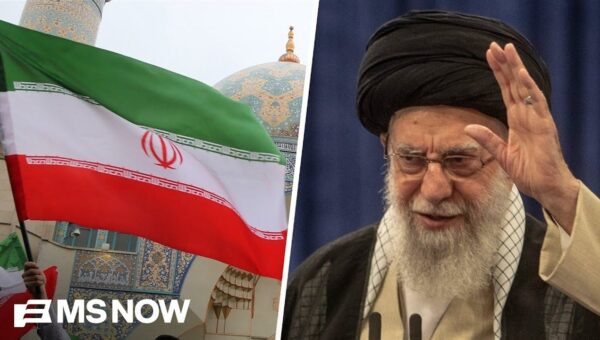
Iran Celebrates After Israeli Strikes Eliminate Top Leaders
Following Israeli airstrikes that reportedly killed Iran's Supreme Leader and top staff, celebrations have erupted among the Iranian diaspora. While a "monumental event," analysts caution against immediate expectations of a smooth democratic transition due to the IRGC's power and a divided opposition.
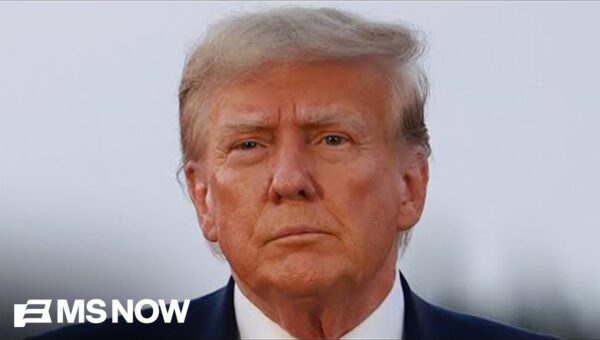
Dem Rep. Gomez: Trump Was Never Truthful About Peace
California Congressman Jimmy Gomez criticized the Trump administration's handling of intelligence regarding Iran, stating the President was "never truthful" about his intentions. Democrats plan to force a vote on a War Powers resolution, arguing the recent military actions lacked justification and congressional approval.
Iran’s Power Vacuum: IRGC Steers Nation Amidst Crisis
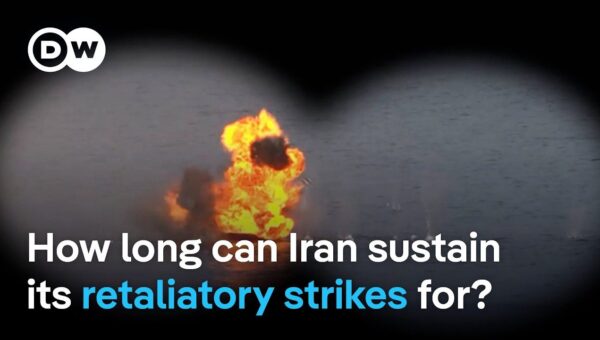
Iran faces unprecedented vulnerability following the assassination of Supreme Leader Ayatollah Ali Khamenei. The nation is under attack internally and externally, with the IRGC playing a crucial role in managing the leadership transition and maintaining state control amidst a deepening political and economic crisis.