Trump: Only Self-Morality Limits My Global Power
President Donald Trump has declared that only his personal morality and judgment can limit his global powers, a statement drawing sharp criticism from political analysts. Experts express deep concern over the concentration of executive authority and the erosion of traditional checks and balances in foreign policy decisions.

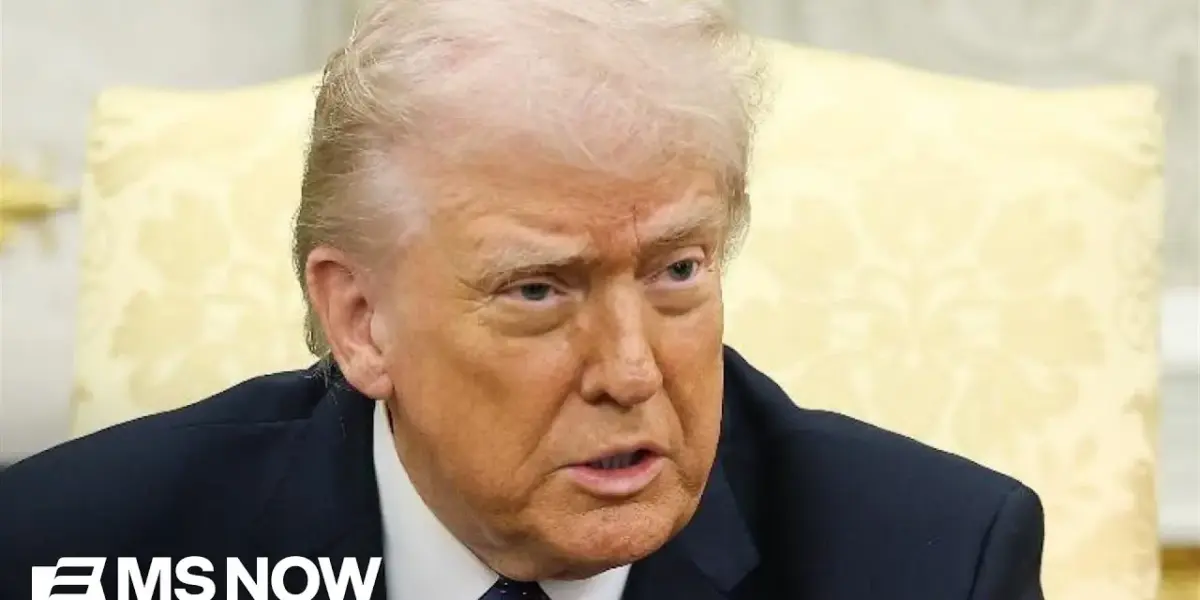
Trump Claims Sole Limit on Global Power is Self
President Donald Trump has stated that the only factor capable of limiting his global powers is his own conscience and internal judgment. In remarks to The New York Times, Trump declared, “My own morality, my own mind. It’s the only thing that can stop me.” This assertion places an immense amount of authority and power in the hands of a single individual, raising significant concerns among political analysts about the checks and balances intended to govern executive actions.
Erosion of Checks and Balances
Peter Beinart, author of “The Beinart Notebook” and political analyst for MSNOW, described the situation as “very, very frightening.” He emphasized that the concentration of power within the executive branch and the diminishing role of congressional consultation in matters of war predates Trump’s presidency. “This concentration of power in the executive, the erosion of the idea that Congress has to be consulted for America to go to war, began long before Donald Trump,” Beinart stated. He further characterized the current state as reaching its “most disastrous point yet, in which a president can just do this on the whim without even having to try to give an explanation to the American people.”
Unilateral Military Action and Its Implications
The practice of the United States undertaking military action against countries not posing a direct threat, often without international legal backing or broad domestic support, has also been a long-standing issue. Trump, according to analysts, is taking this approach to a “logical extreme.” George Packer, a staff writer for The Atlantic, observed Trump’s immense confidence and hubris, suggesting the President believes “every decision he makes is the right and the best one.” Packer added that Trump appears to operate under the assumption that he can “just go and break things, do whatever he wants. And it’s everybody else’s job to clean it up.”
Juvenile Rhetoric and Focus on Military Might
The discourse surrounding military power, even within administration circles, has been noted for its almost adolescent fascination with destructive capability. Beinart recounted hearing rhetoric about “death and destruction from the sky” and invoking the “shock and awe” strategy from the Iraq War, but with the caveat of avoiding nation-building. “In other words, we’re just going to destroy things, and we’re not going to get bogged down in trying to rebuild them, because that’s not our problem,” Beinart explained, attributing this mindset to Trump’s perceived view: “It’s not my problem. Let the Iranians clean up the mess that we make, and we’ll move on to something else.”
Packer echoed this sentiment, drawing a parallel to the “juvenile” way some officials, including the President, discuss military power. He likened it to the fascination a 13 or 14-year-old might have with “big powerful things, be it guns or cars.” This focus, Packer noted, often overlooks deeper considerations: “They don’t seem to have a lot of interest in democracy or helping the people they say they are there to help.”
The Iranian People and Unfulfilled Promises
When discussing potential actions against Iran, the stated goals often revolve around military objectives like destroying naval assets, ballistic missiles, and ending proxy activities and nuclear programs. However, there is a conspicuous absence of focus on the welfare of the Iranian people, who were ostensibly meant to be beneficiaries according to some presidential statements. Packer found this tragic, given the Iranian people’s “dignified and powerful history of fighting for their own freedom,” both against foreign intervention, citing the 1953 CIA-sponsored coup, and against their own oppressive regime.
He lamented that generations of young Iranians have suffered under the current regime, while the U.S. offers “utterly insincere promises or even just dangling little bits of hope” with no genuine intention or ability to follow through. This approach, Packer suggested, stems from a belief system centered purely on power, mirroring Trump’s own stated reliance on his “own mind and morality” as the sole constraints.
A Complicated World and Unavoidable Consequences
Beinart cautioned against such a simplistic view of global affairs. “Well, actually, no, there are other limits because the world is a complicated place and it will exact a price,” he asserted. He warned that this price would be paid not only by adversaries but also by the United States itself. “You cannot start a war like this, wreak this level of destruction and then simply walk away from it. It’s a fantasy. It’s a childish fantasy,” Beinart concluded, highlighting the inevitable repercussions of unchecked executive power and unilateral military action.
Looking Ahead
The assertion of self-imposed limits on presidential power, coupled with a perceived tendency towards unilateral action and a focus on military might over diplomatic or humanitarian concerns, sets a precarious stage. Future actions will likely be scrutinized for their adherence to constitutional norms, international law, and the long-term consequences for both U.S. foreign policy and the global geopolitical landscape. The extent to which the “complicated world” will indeed “exact a price” remains a critical question.
Source: Donald Trump says there is only one thing that can limit his global powers – Himself (YouTube)

Related Articles
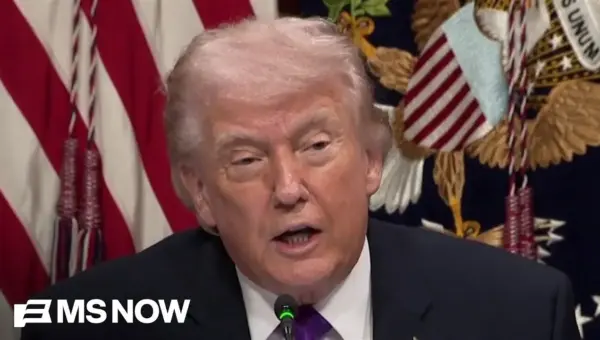
Trump: Iran Nuclear Threat Averted by Military Action
Former President Donald Trump asserted that his administration averted an imminent nuclear threat from Iran by terminating the Obama-era nuclear deal and conducting military strikes. He claimed that Iran would have possessed a nuclear weapon within two weeks if the U.S. had not acted decisively. Trump highlighted the killing of Qasem Soleimani and military rebuilding as key factors in this success.
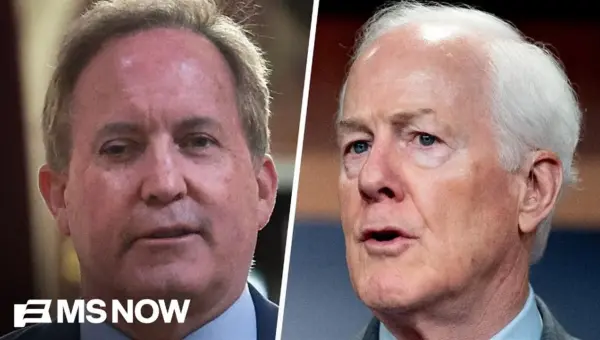
Trump Signals Texas Senate Endorsement Amidst GOP Primary Fight
Donald Trump is expected to endorse John Cornyn in the Texas Senate runoff against Ken Paxton, a move seen as crucial for the incumbent's survival. However, Paxton's potential refusal to drop out and the state's strong MAGA leanings complicate the race, raising concerns for Republicans about a costly general election.
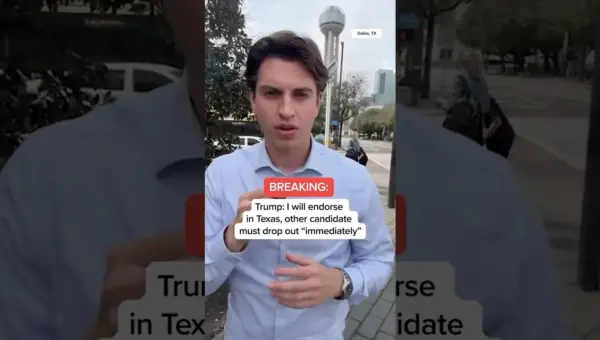
Trump Vows Texas Endorsement, Demands Rival Exit Runoff
Former President Donald Trump announced his intention to endorse a candidate in the Texas GOP Senate primary runoff, demanding the rival candidate immediately withdraw. The intervention comes as Senator John Cornyn and Attorney General Ken Paxton head to a runoff election.