Trump Offers Vague Timeline, Few New Details on Iran Conflict
President Trump addressed the nation regarding the ongoing conflict with Iran, providing few new details and a vague timeline for its conclusion. The speech acknowledged economic concerns, particularly rising gas prices, and reiterated the threat posed by Iran's nuclear ambitions. However, it offered little clarity on the conflict's ultimate goals or resolution, leaving many questions unanswered.

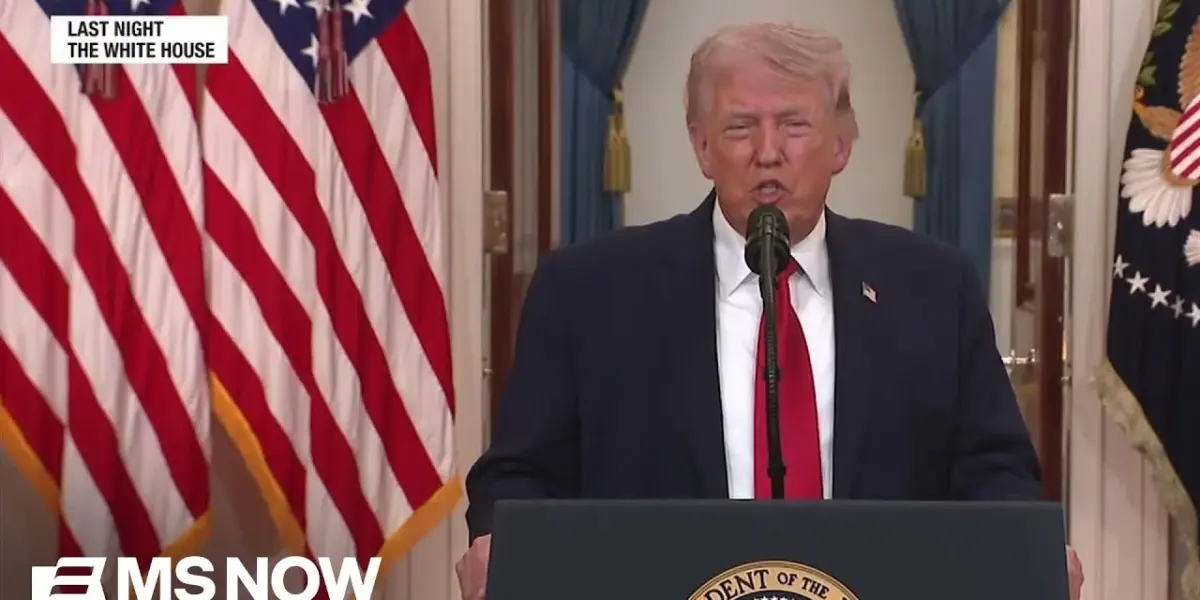
President Trump Addresses Nation on Iran Conflict
President Trump spoke to the nation last night, offering his first public address since the conflict with Iran began. The 20-minute speech aimed to justify the war to the American people. However, it provided minimal new information and repeated a vague timeline for when the fighting might end. Trump stated that allowing Iran to possess nuclear weapons would be an “intolerable threat.” He emphasized that the “most violent and thuggish regime on earth” would be free to spread terror and destruction if it acquired a nuclear shield. He vowed, “I will never let that happen.” The President also noted that this issue has persisted for 47 years and should have been resolved long before his term.
Economic Concerns and Iran’s Nuclear Ambitions
During his address, President Trump acknowledged concerns about rising gasoline prices. He blamed the increase on “deranged terror attacks” by the Iranian regime against oil tankers and neighboring countries. “This is yet more proof that Iran can never be trusted with nuclear weapons,” Trump declared, adding they would use them quickly if obtained. He claimed that Iran has been “decimated” and that the “hard part is done.” Trump suggested that once the conflict ends, the Strait of Hormuz would “open up naturally,” allowing Iran to sell oil again. This, he predicted, would quickly lower gas prices and boost stock markets. He reiterated his commitment to “Operation Epic Fury” until all American objectives are met, stating they are “on track to complete all of America’s military objectives shortly.”
Shifting Language and Uncertain Timelines
Notably, President Trump referred to the situation as a “conflict” rather than a “war.” This speech, delivered five weeks into the fighting, felt like an explanation that might have been more effective at the outset. The address followed threats from Trump to continue striking Iran, which had already sent shockwaves through global financial markets. Oil prices surged past $100 a barrel shortly after his speech, and Asian markets reversed earlier gains, with major indexes falling. U.S. markets were also poised to open lower. Crude oil prices remained elevated, staying well above $100 a barrel.
International Response and Ongoing Hostilities
The President’s remarks about the Strait of Hormuz opening “naturally” came as over 30 countries prepared to meet virtually to discuss restoring traffic through the vital waterway. This meeting, considered a first step, would be followed by working-level discussions to finalize details. Nearly all traffic in the strait has been halted due to Iranian attacks and mines. The United States will not attend this meeting, which will be chaired by the United Kingdom’s foreign secretary. Meanwhile, Iran remained defiant following Trump’s speech. An Iranian official dismissed the President’s remarks as “insane,” while Iran’s military vowed the conflict would continue until the U.S. and Israel face “permanent regret and surrender.” These threats were followed by continued attacks. The Israeli military reported live fire incidents, and authorities in Abu Dhabi intercepted a missile near an industrial hub. The U.S. embassy in Baghdad warned of potential attacks by Iran-backed militias in the coming days, urging Americans to leave Iraq. Israel continued retaliatory strikes, with reports of destruction in Tehran and an increased offensive in Lebanon, where the health ministry reported over 1,000 deaths, including more than 100 children.
Public Skepticism and Future Concerns
The speech has been viewed as an attempt to address a skeptical public and growing concerns from Congress and the President’s own political base. Lawmakers have expressed frustration with the limited information provided in closed-door briefings. Many Americans, according to polls, believe the conflict has gone on too long and want a swift U.S. exit. The President’s comparison of the current conflict to World War I, World War II, and the Vietnam War, while intended to frame expected timelines, was seen by some as not entirely encouraging, given the extended durations of those historical conflicts. The speech did not address the potential deployment of U.S. troops on the ground, a key concern for many Americans. The administration’s objectives appear to have shifted, with less focus on Iran’s nuclear program and more on its military infrastructure. The question of how the U.S. intends to eliminate Iran’s nuclear threat, if that remains the goal, was left unanswered. The President’s claim of achieving “regime change” was also met with skepticism, as the son of the former supreme leader, described by some as potentially more extreme, remains in power. The speech offered little optimism for diplomacy, with only a brief mention of ongoing negotiations. The focus seemed to be on dismantling Iran’s nuclear capabilities, but the method for achieving this, particularly the extraction of uranium, remained unclear. This comes as affordability remains a top concern for many Americans, who may feel detached from the President’s description of the economy as the “hottest in the world.”
Source: Trump offers few new details, vague timeline for Iran war (YouTube)

Related Articles

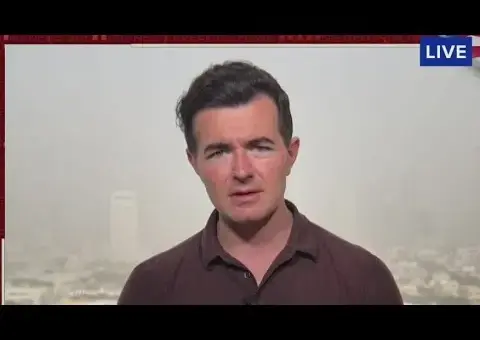
Iran Claims Jet Downed, Escalates Regional Attacks
Iran claims it shot down a U.S. fighter jet, marking a significant escalation in regional tensions. The U.S. has been targeting Iranian infrastructure, while Iran and its allies have launched retaliatory strikes across the Middle East, impacting oil facilities and causing injuries. The critical Strait of Hormuz remains a key point of contention.
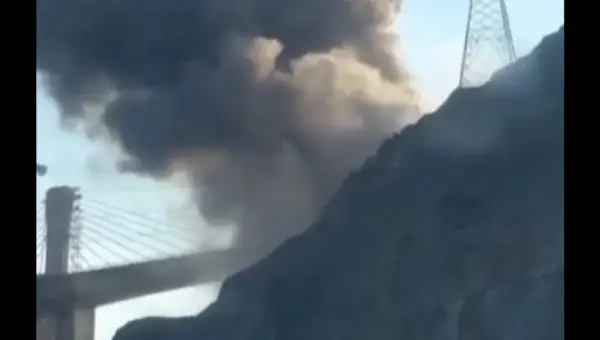
Trump Escalates Iran Tensions, Targets Infrastructure
President Trump has warned of intensified strikes against Iran, targeting infrastructure like bridges and power plants. This strategy aims to pressure the regime into peace talks, though Iranian officials condemn it as an attack on civilian life. U.S. officials state the strikes target military supply routes to undermine Iran's capabilities.

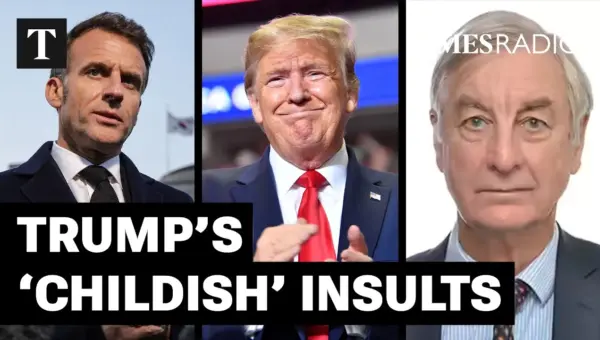
Trump’s NATO Insults Spark Global Outrage, Allies Push Back
Former U.S. President Donald Trump's leaked private remarks, filled with insults aimed at NATO allies, have sparked international outrage and calls for European self-reliance. The comments highlight growing concerns about U.S. reliability and the potential for a long-term split in transatlantic relations. The discussion also touched upon domestic UK issues, including NHS strikes and political shifts, alongside a unique debate on marmalade regulations.