Trump Offers Oil Tanker Escorts Amid Hormuz Strait Freeze
The Trump administration has pledged military escorts and insurance for oil tankers navigating the Strait of Hormuz, as activity in the crucial shipping lane reportedly plunges 90%. However, shipping companies express skepticism, questioning the efficacy of these promises amid ongoing regional conflict. The market's resilience and potential political ramifications for upcoming elections are also under scrutiny.

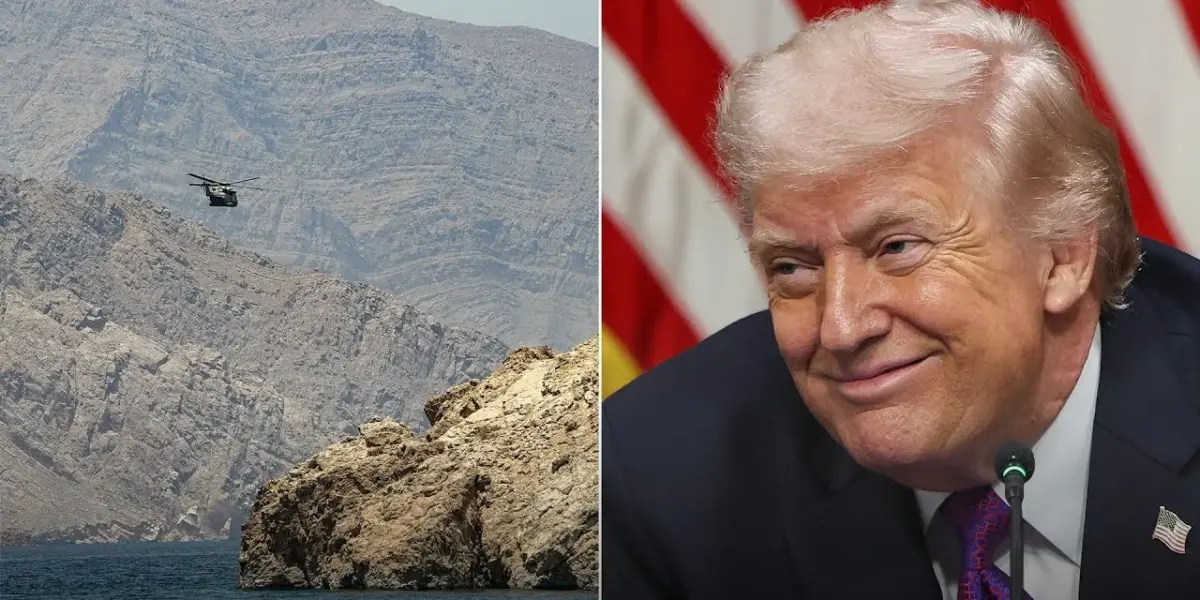
Trump Administration Pledges Support to Oil Trade Amid Strait of Hormuz Activity Freeze
Washington D.C. – The Trump administration has pledged significant support to the oil trade, including military escorts for energy tankers traversing the critical Strait of Hormuz, a move that comes as activity in the vital shipping lane has reportedly plummeted by as much as 90%. The promises, however, have been met with skepticism from major shipping companies and market analysts, who question the viability and effectiveness of such measures in the face of ongoing regional tensions.
Market Reaction and Administration Promises
Despite the escalating conflict and its potential impact on global energy supplies, financial markets have shown a surprising resilience. Both the Dow Jones Industrial Average and the S&P 500 climbed higher, while oil prices pulled back from earlier highs, nearing $78 a barrel. This muted market reaction is attributed, in part, to assurances from the Trump administration.
President Trump announced that the U.S. would offer insurance and military escorts to energy tankers passing through the Strait of Hormuz “as soon as possible.” This statement comes despite U.S. Navy officials previously informing shipping industry representatives that such escorts were unlikely in the near future, according to Lloyd’s List.
David Solomon, head of Goldman Sachs, expressed surprise at the market’s muted reaction, while others, like Scott Besson, suggested that “help is coming” for oil prices in the coming days. This vague assurance, however, seems to have been enough for markets to seize upon, indicating a potential reliance on administration pronouncements rather than fundamental market shifts.
“Very vague, but it was something and markets seem to seize on that.”
Skepticism from Shipping Industry
Major shipping companies remain unconvinced by the administration’s promises. Reports indicate that two large ship owners with tankers currently situated in the Gulf have expressed concerns that escorts would not provide sufficient confidence while combat operations are still ongoing. The inherent risks associated with traversing the Strait, even under naval escort, are significant.
“Most companies will probably make that same bed that, like, regardless of who they’re being accompanied by, there still is this risk that has been the fear with a conflict with Iran for decades,” one analyst noted.
The economic implications of a sustained disruption in the Strait of Hormuz are substantial. The trade monitor estimates a roughly 90% drop in oil tanker traffic through the strait this week, a figure that could lead to rapid global economic impacts. While gas prices have not yet seen dramatic increases, experts suggest there is a lag, and a prolonged freeze could significantly affect energy markets and broader economic stability.
Insurance and Economic Concerns
A key point of contention is the administration’s promise of insurance for tankers. The proposal involves a “backwater government agency” providing insurance it has not offered before, leading to justifiable skepticism among shipping companies.
“I think a lot of these shipping companies quite rightly are skeptical of what that means. They don’t want to put their people… it’s going to happen. How quickly can this happen? How comprehensive is that insurance going to be?” an expert questioned.
Beyond the immediate economic risks, the cost of potential lives lost and the broader implications for the U.S. economy, including a ballooning deficit and ongoing tariffs, are significant concerns. Affordability remains a paramount issue for voters, and the current situation threatens to undermine the administration’s claims of economic strength.
Political Ramifications for Midterms
The escalating conflict and its economic fallout could have serious repercussions for the upcoming midterm elections. While the duration of the conflict is a key variable, the administration’s handling of the situation and its impact on the economy are likely to be central themes.
“I think Republicans are probably aware that this is a big, big, big problem for them in November, even if Trump isn’t,” one commentator observed.
The potential for increased energy costs to spread through the economy more widely than just gasoline prices is a significant worry for Federal Reserve policymakers attempting to manage economic stability.
Tax Cut Proposals and Defense Spending
Adding to the complex economic landscape, Senators Ted Cruz and Tim Scott have proposed a $200 billion tax cut, specifically targeting capital gains taxes, without congressional approval. This move, aimed at stimulating savings and investment, is viewed by many as disproportionately benefiting wealthier individuals and asset owners, rather than the general populace.
“The one group of people that continue to thrive are investors, right? If you are long the market, if you own assets, this has been glorious. And so now they’re saying, yikes, things look tough. Let’s cut capital gains tax,” a critic noted.
Meanwhile, the U.S. has recently approved a $500 billion increase to the defense budget, raising questions about the financial implications of these concurrent policy decisions.
Coinbase Lobbying and White House Influence
In a separate development, Coinbase, the largest cryptocurrency exchange in the U.S., has been actively lobbying for favorable regulations. Following significant donations to Trump’s inaugural fund, Coinbase CEO Brian Armstrong met with President Trump at the White House. Shortly thereafter, the President publicly criticized major banks for not reaching a “good deal” with the crypto industry, suggesting it was in the “best interest of the American people.”
This sequence of events has fueled speculation about the extent of influence exerted by special interests on White House policy, particularly given that digital assets, including crypto, now constitute a significant portion of the Trump family’s net worth.
Looking Ahead
The coming weeks will be critical in determining the long-term impact of the Strait of Hormuz freeze on global energy markets and the broader economy. Market participants and policymakers will be closely watching the effectiveness of the administration’s support measures, the response of international shipping companies, and the unfolding geopolitical situation in the Middle East. The potential for sustained high oil prices and their influence on inflation and consumer spending will also be a key focus, particularly as the midterm elections approach.
Source: 'Very vague.' Trump administration promises support to oil trade as activity freezes in Strait of Ho (YouTube)

Related Articles
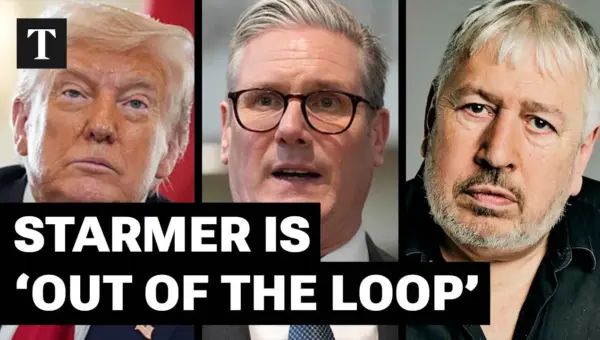
UK Defense Weakened: Starmer Out of Loop on US Policy
UK's foreign policy and defense capabilities are under intense scrutiny as global instability rises. Concerns are mounting over Keir Starmer's perceived lack of awareness regarding US foreign policy and significant gaps in the UK's naval presence in the Middle East, raising questions about national security and the nation's role on the world stage.
Iran Missile Near NATO Airspace Triggers Alliance Scrutiny
A ballistic missile launched from Iran, intercepted near Turkish airspace, has drawn NATO into heightened scrutiny. The incident prompts discussions around Article 4 and potentially Article 5 of the NATO treaty, signaling a critical escalation in regional tensions with significant geopolitical and market implications.
Iran War Escalates: Trump’s Risky Gamble Backfires
The US-Iran war escalates dramatically, with reports of a downed F-15 and internal administration rifts over strategy. Fabricated pretexts, economic fallout, and potential radicalization paint a grim picture.