Trump Offers Iran Peace, Tests Global Alliances
President Trump has unveiled a 15-point peace plan for Iran, with Pakistan mediating. Despite Iran's reported rejection of the details, it offered to allow oil tankers through the Strait of Hormuz. The administration also highlighted military successes and criticized NATO's contributions.

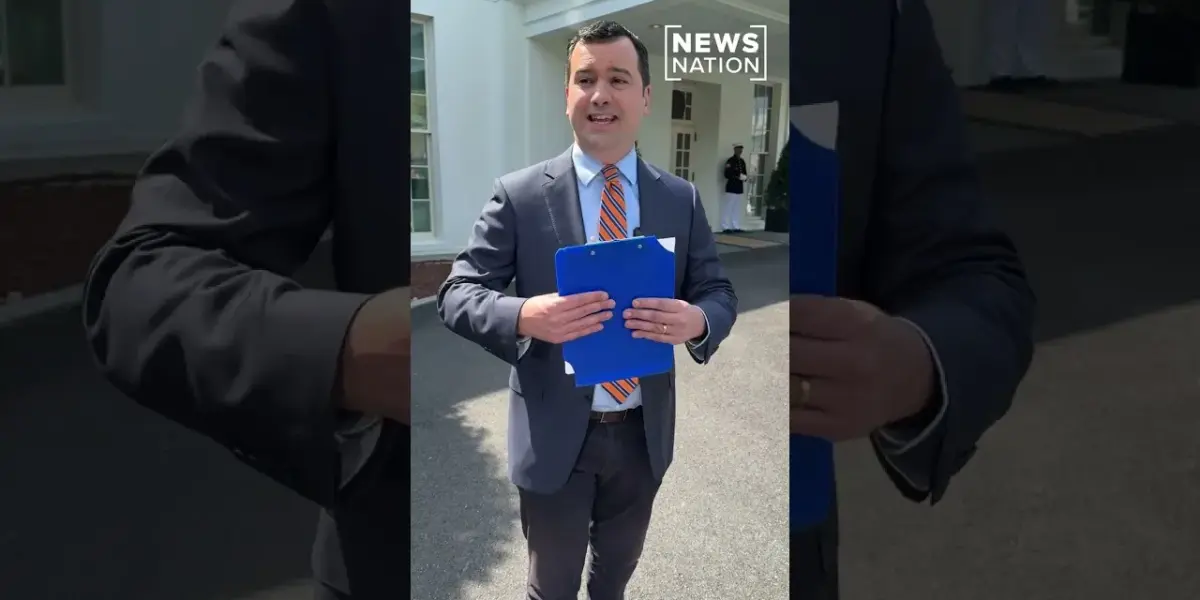
Trump Offers Iran Peace, Tests Global Alliances
President Trump recently revealed new details about potential peace talks with Iran, signaling a significant diplomatic effort. The President stated that Iran is ready to negotiate. This comes as the United States has been engaged in ongoing conflict with Iran.
A 15-Point Peace Plan Emerges
Special envoy Steve Witoff announced that a 15-point peace plan has been formally presented to Iran. Witoff urged Iran to seriously consider this offer. Pakistan is currently acting as a mediator in these discussions. However, Iran has reportedly rejected the specific details of the plan, pushing back against the current talks.
Strait of Hormuz: A Key Bargaining Chip?
A notable development during these alleged negotiations is Iran’s offer. Iran has proposed allowing up to 10 oil tankers to pass through the critical Strait of Hormuz. This waterway is vital for global oil transport. The success and direction of these peace talks will be closely watched in the coming days.
US Military Actions Highlighted
Alongside diplomatic overtures, the Trump administration highlighted recent military successes. President Trump, Secretary of War Pete Hegseth, and Secretary of State Marco Rubio all commented on the impact of U.S. air strikes. They stated that Iran’s navy and air force have been significantly degraded. The administration also referenced the threat of Iran developing nuclear weapons, framing the military actions as necessary and decisive.
NATO Under Scrutiny
President Trump also took aim at NATO during a recent cabinet meeting. He criticized the alliance for not doing enough to support ongoing conflicts. Trump suggested that NATO’s assistance has been too late and insufficient. This criticism points to potential strains in long-standing alliances and a call for greater burden-sharing.
Global Impact: Reshaping Regional Dynamics
The diplomatic push towards Iran, coupled with military actions and critiques of NATO, suggests a broader shift in U.S. foreign policy. The Strait of Hormuz is a critical chokepoint for global energy supplies. Any agreement or continued conflict involving Iran directly impacts oil prices and international trade routes. Furthermore, the administration’s focus on Iran’s nuclear program remains a central concern for global security. The mediation efforts by Pakistan highlight the complex web of regional relationships involved. The U.S. is attempting to de-escalate tensions while also asserting military strength. This dual approach could reshape power balances in the Middle East and influence how other global powers interact with the region.
Historical Context: Decades of Tension
U.S.-Iran relations have been fraught with tension for decades, particularly since the 1979 Iranian Revolution. Previous administrations have pursued various strategies, including sanctions and diplomatic isolation, to curb Iran’s nuclear ambitions and regional influence. The current situation echoes past attempts at negotiation, often complicated by mistrust and differing strategic objectives. The Strait of Hormuz has been a flashpoint before, with international powers asserting freedom of navigation while Iran has threatened to disrupt shipping. The military actions mentioned by the administration also recall periods of heightened military readiness and direct confrontation.
Economic Leverage and Sanctions
Economic tools, such as sanctions, have been a cornerstone of U.S. policy towards Iran. These measures aim to pressure the Iranian government by limiting its access to international finance and trade. The effectiveness of these sanctions in forcing diplomatic concessions has been a subject of ongoing debate. Iran’s offer regarding oil tankers could be seen as an attempt to gain economic relief or to demonstrate goodwill. The global reliance on oil transported through the Strait of Hormuz gives Iran significant leverage, which it can use in negotiations.
Future Scenarios
Several future scenarios are possible. A successful peace deal, even one that addresses immediate concerns like the Strait of Hormuz, could lead to a period of reduced tensions. However, Iran’s rejection of the current plan details suggests significant hurdles remain. Alternatively, talks could collapse, leading to a continuation or escalation of the current conflict, potentially involving further military actions and increased economic pressure. The U.S. also faces the challenge of maintaining international consensus on its approach to Iran, especially with allies like those in NATO, some of whom may have different strategic priorities and economic interests.
Source: Will Trump administration be able to strike deal with Iran? (YouTube)

Related Articles

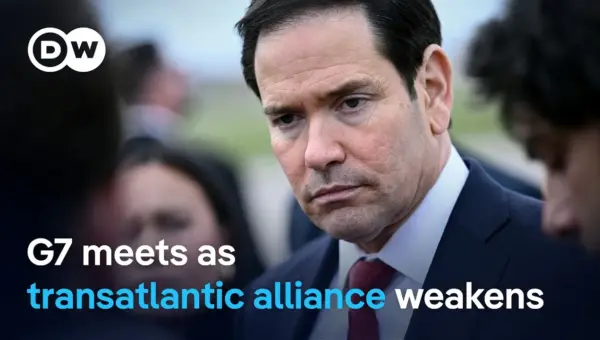
G7 Allies Clash Over Iran War Strategy, Urge Focus on Russia
G7 foreign ministers met in Paris, revealing deep divisions over the U.S. war with Iran. European allies urged the U.S. to pressure Russia, linking its actions to the conflict and fearing support for Ukraine will wane.
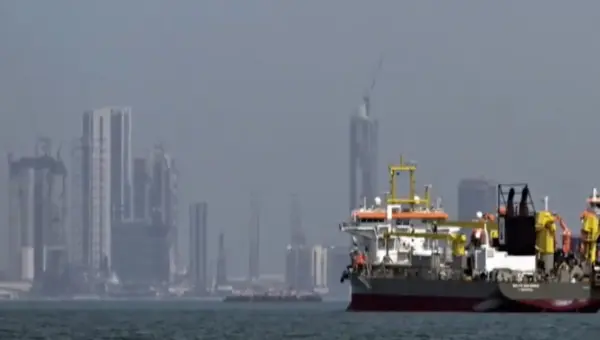
Iran Blocks China Ships, Exposing Beijing’s Weak Grip
Iran's recent decision to block Chinese ships at the Strait of Hormuz is exposing the limits of Beijing's influence in the Middle East. This action is causing delays and cancellations for Chinese manufacturers, turning a perceived geopolitical win into an economic strain.
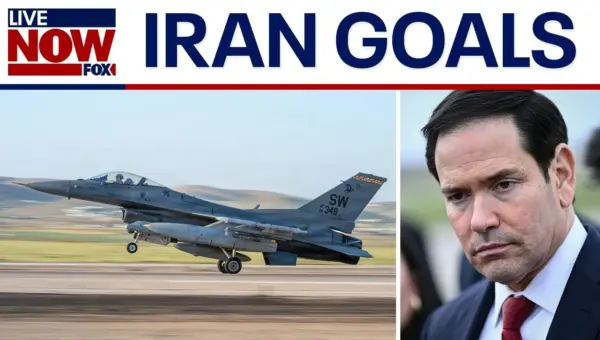
Rubio: US Can Achieve Iran War Goals Without Troops
Senator Marco Rubio outlined a strategy to counter Iran without deploying U.S. ground troops, focusing on weakening the regime and enhancing maritime security. He also criticized Cuba's economic system and expressed concerns about West Bank violence.