Trump Needs ‘No’ Men to Guide His Legacy, Experts Say
Experts are raising concerns that President Trump's focus on legacy projects might overshadow critical foreign policy challenges. A key issue highlighted is the reported lack of advisors willing to offer honest, critical feedback, potentially leading to significant missteps.

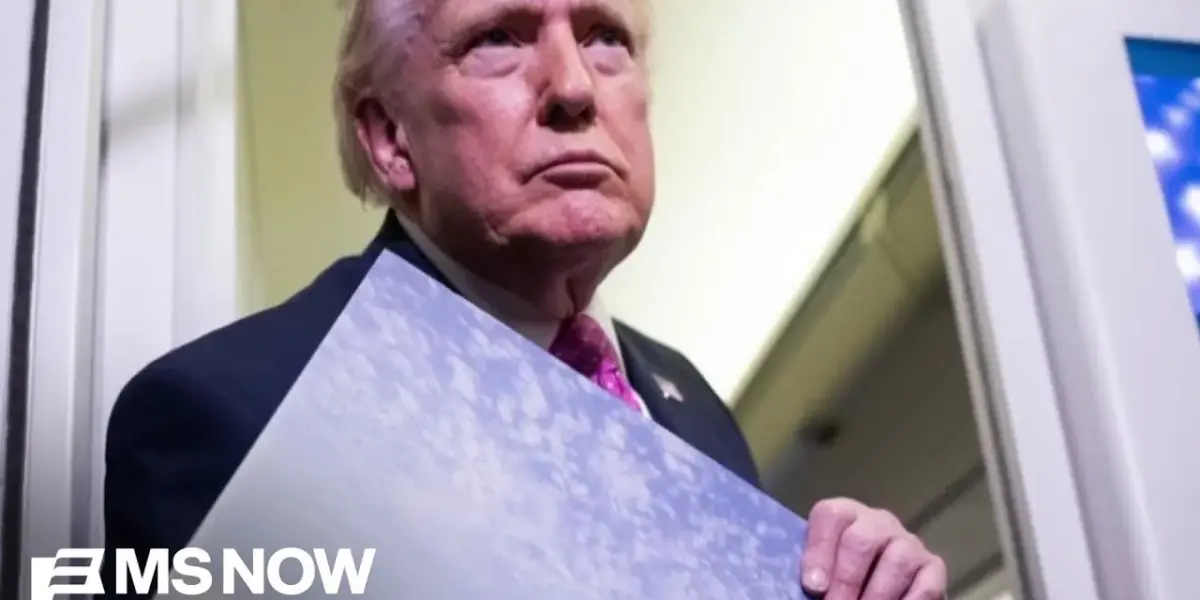
Trump’s Legacy Focus: Buildings and Bold Foreign Policy
President Donald Trump appears deeply focused on his legacy, often describing himself as a builder. This drive is evident in projects like his envisioned ballroom, which he touted as the finest of its kind. He also seeks to leave his mark by renaming institutions, such as the Kennedy Center, and even signing dollar bills, a move not seen before from a president. This focus on tangible achievements extends to his foreign policy goals, with countries like Venezuela, Cuba, Syria, and Iran seen as potential cornerstones of his lasting impact.
However, some observers note a potential disconnect between Trump’s domestic building ambitions and the critical international challenges he faces. For instance, while discussing his ballroom project, the conversation quickly turned to the ongoing tensions with Iran, including reports of potential ground operations. This highlights a broader concern: that the President might be prioritizing personal legacy projects over pressing global issues.
The ‘Yes Man’ Problem: A Lack of Critical Counsel
A significant concern raised is President Trump’s reported lack of advisors willing to challenge his decisions. Experts suggest that successful leaders need a team that can offer honest feedback, even if it’s unwelcome. Joe Scarborough, a former Congressman, emphasized the importance of having individuals around a leader who can say ‘no’ when a bad decision is being considered. He shared his own experience, relying on a small group of trusted advisors who could push back on his ideas, even when it made him angry.
This dynamic is contrasted with the current administration, where cabinet meetings are sometimes described as gatherings of ‘flatterers.’ The argument is that Trump needs advisors who will ask hard questions, like pointing out that Iran is not Venezuela and that a different approach is needed. Without these ‘truth tellers,’ the fear is that the President may make critical errors, especially in complex foreign policy situations.
Foreign Policy Challenges and a Perilous Moment
The discussion touched upon Trump’s foreign policy successes, particularly in Venezuela, which seemed to bolster his confidence in U.S. military capabilities. However, the situation in Iran is presented as a far more complex and potentially dangerous challenge. Reports suggest Iran is earning significantly more money, while the Department of Defense prepares for a prolonged ground operation. This critical juncture raises questions about the President’s decision-making process and the advice he is receiving.
The lack of perspective from advisors is seen as a significant problem, especially for a president who has not experienced the everyday struggles of ordinary citizens, such as waiting in airport security lines or grocery shopping. This disconnect, some argue, could impair his judgment in high-stakes international negotiations. The current moment with Iran is described as perilous, with a hope that the President will be supported by a team capable of understanding the historical context and making sound decisions.
The Critical Need for Honest Counsel
Ultimately, the core argument is that President Trump’s administration is hampered by a lack of candid advice. This is viewed as detrimental not only to America but also to the President himself. Having trusted individuals who can provide a reality check is seen as essential for effective leadership. Without them, the risk of missteps, particularly in foreign policy, increases significantly, potentially shaping his legacy in ways he might not intend.
The need for advisors who can say ‘no’ is presented as a fundamental requirement for any leader aiming for success. For Donald Trump, particularly in his second term, the absence of such counsel is highlighted as a critical weakness. This situation demands attention, as the stakes are incredibly high, and the consequences of poor decisions could be far-reaching.
The conversation also touched upon the broader implications of a leader’s perspective. A president who has never faced common challenges may struggle to fully grasp the complexities of certain issues. This lack of lived experience, combined with a potential echo chamber of agreeable voices, creates a ‘problem of perspective’ that could be particularly dangerous in sensitive geopolitical situations.
Source: Joe: Trump is surrounded by yes people and he needs someone who can tell him 'No' (YouTube)

Related Articles

US Forces Unleash Lethal Power in Operation Epic Fury
Operation Epic Fury showcases heightened U.S. military readiness and decisive action against Iran. Troops exhibit remarkable competence and urgency, supported by a robust defense industrial base. The operation aims to dismantle Iran's military capabilities, with a focus on rapid strikes and strategic degradation.


Trump Pushes Europe Towards Gulf Conflict
Donald Trump is urging European allies, particularly the UK, to take a more active role in the Middle East, suggesting direct confrontation in the Strait of Hormuz. As the US faces military strain, Trump employs his unique 'weave' communication style, using diversions to manage public perception and diplomatic pressure. The article also contrasts British expatriate experiences in the US with those in Europe, noting surprising hospitality in America versus perceived negativity and resentment in some European cities.

Trump’s Strait of Hormuz Ultimatum: Buy US Oil or Fight
President Trump has issued a stark ultimatum regarding the Strait of Hormuz, urging nations reliant on its oil to buy from the US or take action themselves. This follows intensified US strikes and diplomatic offers to Iran, signaling a new phase in regional tensions.